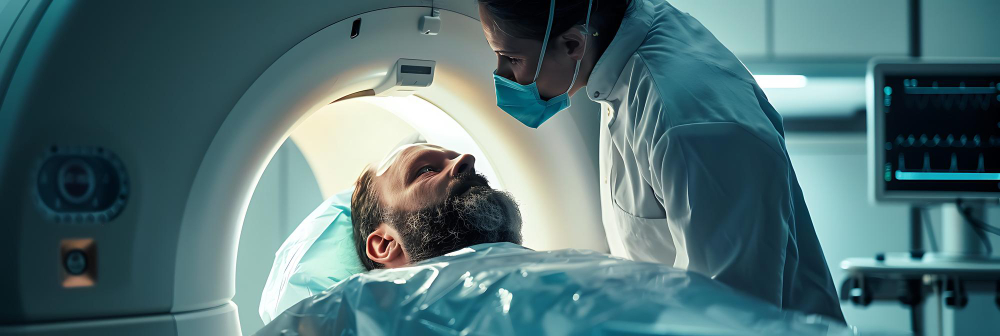
A catheter-based angiogram is a highly effective, minimally invasive diagnostic procedure that allows vascular specialists to map out your blood vessels and pinpoint arterial blockages. Because the procedure only requires a tiny puncture rather than a large surgical incision, patients are often pleasantly surprised by how quickly they feel back to normal. You might walk out of the clinic feeling completely fine, but it is vital not to let this rapid external healing fool you.
While the tiny nick on your skin looks fully closed within 24 hours, the structural healing of the artery underneath takes significantly longer. Resuming heavy lifting or intense physical labor too quickly is one of the most common causes of post-procedure complications. Understanding the timeline of arterial recovery is essential for protecting your vascular health and avoiding a medical emergency.
The Hidden Mechanics of Arterial Healing
During a conventional angiogram, a vascular specialist inserts a thin, flexible tube (a catheter) directly into a major artery—typically through the femoral artery in your groin or the radial artery in your wrist. Once the diagnostic imaging is complete, the catheter is removed, and the puncture site must be sealed. This closure is achieved using manual pressure, a small compression device, or an internal closure tool like a collagen plug or a tiny suture.
While the skin on top closes almost immediately, the hole in the arterial wall remains vulnerable for several days. Arteries are high-pressure blood vessels. Every time your heart beats, blood surges through these pathways at a high velocity.
When you lift a heavy object, push a heavy door, or strain during a workout, you instinctively perform what is known as a Valsalva maneuver. This action instantly causes a sharp surge in your internal blood pressure. If that pressure spike hits a freshly punctured artery that has not fully knitted back together, it can rupture the internal seal, leading to severe localized bleeding, hematomas, or a pseudoaneurysm.
The General Recovery Timeline for Heavy Lifting
Because every patient’s vascular integrity and procedure details vary, you must always follow the precise discharge instructions provided by your clinical care team. However, vascular medicine follows a standard, conservative timeline to guarantee patient safety:
1. The First 24 to 48 Hours: Absolute Restriction
During the first two days following your angiogram, you must avoid lifting anything heavier than a gallon of milk (roughly 5 to 10 pounds). This restriction includes everyday tasks like carrying groceries, lifting laundry baskets, picking up pets, or hoisting a heavy backpack. You should also avoid bending at the waist if your groin was the access site.
2. Days 3 to 7: Gradual Modification
If your access site was in the wrist (radial artery) and you are showing no signs of swelling or bruising, you can typically resume light everyday tasks, but you must continue to avoid strenuous gym workouts, heavy push-ups, or lifting items over 15 to 20 pounds. If your access site was in the groin (femoral artery), you must remain cautious with heavy lifting and avoid running or climbing excessive flights of stairs until a full week has passed.
3. Week 2: Returning to the Gym or Heavy Labor
For most patients, normal gym routines, heavy weightlifting, and strenuous occupational labor can safely resume after 7 to 10 days, provided the puncture site has healed perfectly without tenderness, discoloration, or a palpable lump.
Warning Signs of Access Site Complications
While recovering at home, you or a family member must monitor your access site closely every day. Seek emergency medical attention immediately if you notice any of the following red flags:
- A sudden, rapidly expanding lump or hard knot beneath the skin at the puncture site.
- Active, bright red bleeding or a sudden discharge of clear fluid from the wound.
- Severe, worsening pain or a burning sensation around the access area.
- Your hand or foot (depending on the access limb) becoming cold, pale, numb, or tingling.
Tips for a Safe, Smooth Recovery
To make sure your recovery goes smoothly without any unexpected setbacks, follow these simple vascular self-care steps:
- Keep it clean and dry: Avoid soaking in a bathtub, swimming pool, or hot tub for at least 5 days post-procedure to prevent infection. Stick to light showers instead.
- Support the site: If you suddenly have to cough, sneeze, or laugh during the first few days, gently press a clean towel firmly over your puncture site to anchor it against the sudden internal pressure spike.
- Stay hydrated: Drink plenty of water over the 24 hours following your procedure to help your kidneys efficiently flush out the contrast dye used during the scan.
An angiogram is a highly effective tool for protecting your heart and circulatory system, but its success depends on proper rest. Giving your body a few days to rest ensures a safe, complete recovery and allows you to return to your normal routine with total confidence.
Our vascular team is here to help. Reach out to us today by calling 1-347-384-5690 or visiting us at 1797 Pitkin Avenue, Brooklyn, New York 11212 to speak with someone who can guide you on how to resume heavy lifting after an angiogram procedure.