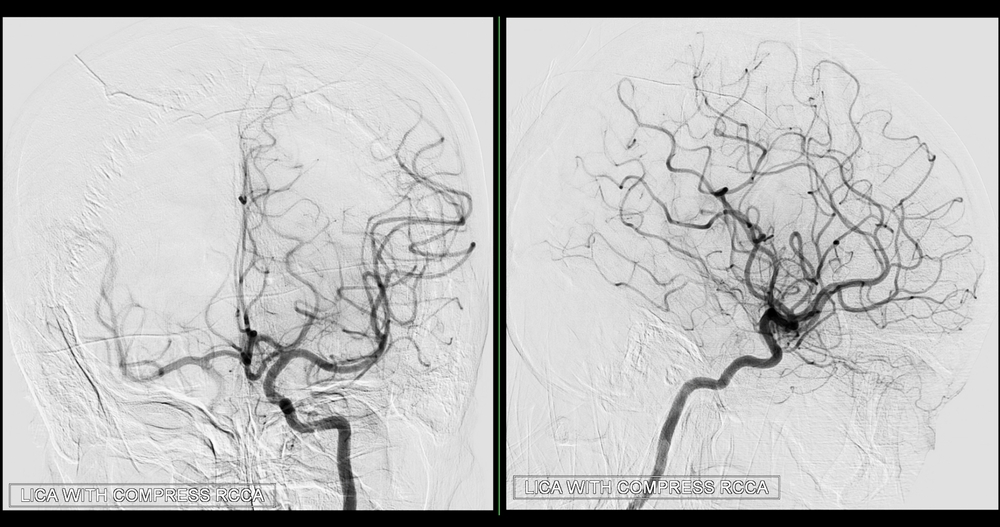
The difference between angiography and intravascular ultrasound comes down to where the picture is taken from. Angiography uses X-ray and dye to trace an artery from the outside, while intravascular ultrasound, or IVUS, threads a tiny probe inside the vessel itself. That inside view is why sound waves see more plaque than dye and X-ray alone, giving your vascular specialist a fuller picture of what is happening in your arteries.
Hearing that your artery needs a closer look can bring up a lot of questions. You may wonder how two different tests can look at the same blood vessel and find different answers. You are not imagining it. The difference between angiography and intravascular ultrasound is real, and understanding it can help you feel more prepared for whatever comes next.
What Is the Difference Between Angiography and Intravascular Ultrasound?
Both tests help doctors evaluate blocked or narrowed arteries, but they work in very different ways.
How Angiography Shows Your Arteries
Angiography uses a contrast dye injected into the bloodstream, followed by X-ray imaging. This creates an outline of the artery’s inner channel, almost like a silhouette. It shows where blood flow narrows, but it cannot show what the artery wall itself looks like underneath the surface.
How IVUS Shows Your Arteries From the Inside
Intravascular ultrasound takes a different path. A thin catheter carrying a small ultrasound probe is guided directly into the artery. From there, it sends sound waves through the vessel wall and captures real-time images from the inside out. Instead of a silhouette, your vascular specialist sees the full thickness of the artery, layer by layer.
Why Sound Waves See More Plaque Than X-Ray Alone
An X-ray outline can miss plaque that builds up along the artery wall without narrowing the open channel much. This is one reason why sound waves see more plaque than angiography alone. Because the IVUS probe sits inside the vessel, it can measure plaque thickness directly and tell whether it is soft or calcified.
This distinction matters for your care. Soft plaque and hardened plaque often call for different treatment approaches, and knowing which type is present helps your vascular specialist choose the safest next step.
When Might a Vascular Specialist Recommend IVUS?
Your vascular specialist may suggest IVUS when angiography alone leaves questions unanswered. Common reasons include:
- Unclear angiogram results: The X-ray outline does not fully explain your symptoms.
- Stent planning or confirmation: Your care team needs precise measurements before or after placing a stent.
- Uncertain plaque severity: More detail is needed to decide whether treatment is necessary right now.
If your doctor recommends this added step, it is because they want the clearest possible view before making any decisions about your care.
Finding a Vascular Clinic in Brooklyn for Advanced Artery Imaging
Choosing a vascular clinic in Brooklyn close to home can make this process feel less overwhelming. Shorter travel times matter, especially if follow-up visits or additional testing are needed. A local vascular clinic in Brooklyn also keeps your imaging results and history together, so nothing gets lost between appointments.
You Do Not Have to Navigate This Alone
Learning about the difference between angiography and intravascular ultrasound is a strong first step toward feeling informed rather than anxious. You deserve clear answers about what is happening inside your arteries, and you deserve a care team that takes the time to explain them.
Our Vascular team will guide you when you need advanced imaging, including IVUS, to guide safe and effective treatment. Reach out to us today by calling +1-718-367-2555 or visiting us at 1797 Pitkin Avenue, Brooklyn, NY 1121 to schedule a consultation and take the next step toward clear answers.