Some pain is too heavy for words. When you or someone you love has lived through trauma, sitting down to “talk it out” can feel impossible. The memories may be stored in ways that language simply cannot reach.
That is where art therapy offers a different path. Instead of asking you to explain the unexplainable, it lets you draw, paint, sculpt, or move your way toward healing. Art therapy uses creative expression to help people process traumatic experiences that resist verbal description.
Here is what you will learn: how art therapy works in the brain, the benefits it offers for trauma and depression, the different forms it takes, and when to reach out for professional support. You do not have to carry this alone—and help is closer than you think.
What Art Therapy Is and How It Works in the Brain
Art therapy is a form of psychotherapy that uses creative activities—like painting, drawing, and sculpting—to support mental health and healing. It is guided by a trained professional, not a casual craft session.
The approach has been used for decades to treat mental illness and improve emotional well-being. Its power comes from how the brain stores trauma.
Why words are not always enough
Trauma memories are often stored nonverbally, tucked away in sensory and emotional forms rather than tidy narratives. Talk-based therapy alone can miss these hidden pieces.
Art making engages the senses and helps link nonverbal memories to conscious understanding. Research suggests that creating art can bridge the left and right sides of the brain, allowing traumatic experiences to be organized and processed in a meaningful way. In short, art gives your mind a safer door to walk through.
Key Benefits of Art Therapy for Trauma
The emotional weight of trauma can feel endless. But creative therapy offers real, measurable relief. Here are the benefits that matter most.
- Reduced PTSD symptoms. A trauma-focused art therapy protocol led to a clinically meaningful reduction in PTSD symptoms and helped participants put feelings into words. In one study of veterans, those who added art therapy to their care rated it as an important, safe part of healing.
- Better emotional regulation. Turning fear or anger into color and shape helps you name and manage emotions instead of being overwhelmed by them.
- Relief from depression and anxiety. Studies show art therapy can improve depression and anxiety symptoms, especially alongside other treatment.
- Stronger engagement in treatment. Because it feels safe and approachable, art therapy can keep people committed to care who might otherwise drop out.
If you have felt stuck in traditional talk therapy, these benefits may bring new hope. Our team of behavioral health services can help you explore whether this approach fits your needs.
Types of Art Therapy for Trauma
Healing is not one-size-fits-all. Different creative forms reach different people, and a good therapist will match the method to you.
Visual art therapy
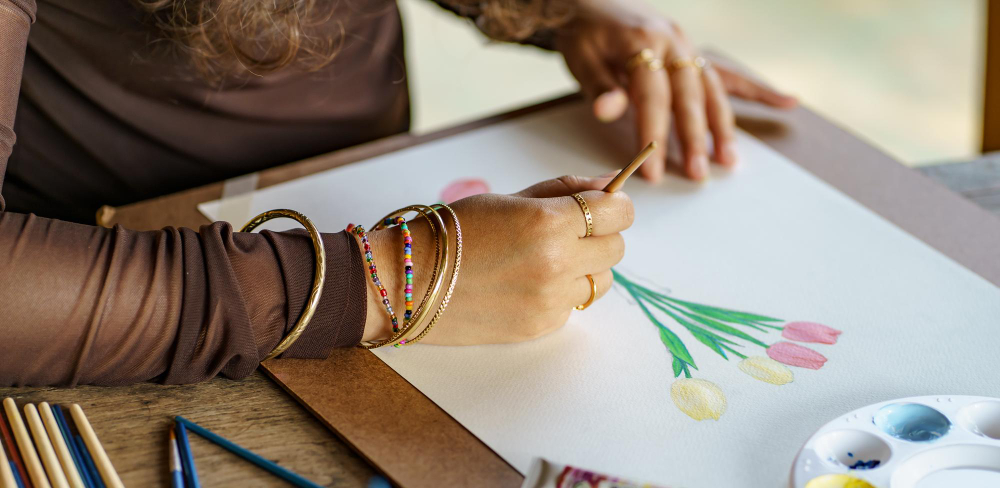
This is the most widely used form. It includes drawing, painting, collage, and sculpting. Creating a visual “trauma narrative” can help you view a painful memory from a safe distance.
Music therapy
Listening to, playing, or writing music can help regulate emotions and release tension. It works especially well for people who struggle to speak about their experiences.
Drama therapy
Through role-play and storytelling, drama therapy lets people safely revisit and rewrite traumatic narratives. Research shows it can significantly ease post-traumatic stress.
Dance and movement therapy
The body holds trauma too. Movement-based therapy releases physical tension and helps reconnect the mind and body, easing hyperarousal symptoms.
Who Benefits from Art Therapy
You may wonder if this approach is right for your family. The good news is that art therapy adapts across ages and situations.
- Children and teens who cannot yet find the words for what happened.
- Adults and veterans living with PTSD, depression, or anxiety.
- Older adults facing memory loss, isolation, or grief.
- Anyone recovering from abuse, loss, medical trauma, or a frightening event.
Whether your loved one is a young child or an aging parent, creative therapy can meet them where they are. For more everyday coping strategies, our guide on managing stress at home offers gentle, practical support.
When to Seek Professional Support
It is easy to hope that time alone will heal a wound. Sometimes it does not. When trauma symptoms linger, professional help makes a real difference.
Consider reaching out if you or your loved one notices:
- Ongoing nightmares, flashbacks, or intrusive memories
- Avoiding people, places, or reminders of the event
- Trouble sleeping, eating, or concentrating
- Feelings of numbness, hopelessness, or persistent fear
Our qualified Behavioral Health Specialists can assess these signs and build a personalized care plan. Working with a Behavioral Health Specialist ensures your treatment is safe, evidence-based, and paced to your comfort.
Reach out to our behavioral health team today by calling +1-718-367-2555 or visiting 1797 Pitkin Avenue, Brooklyn, NY 11212 to schedule an appointment and take the first step toward the support you deserve.