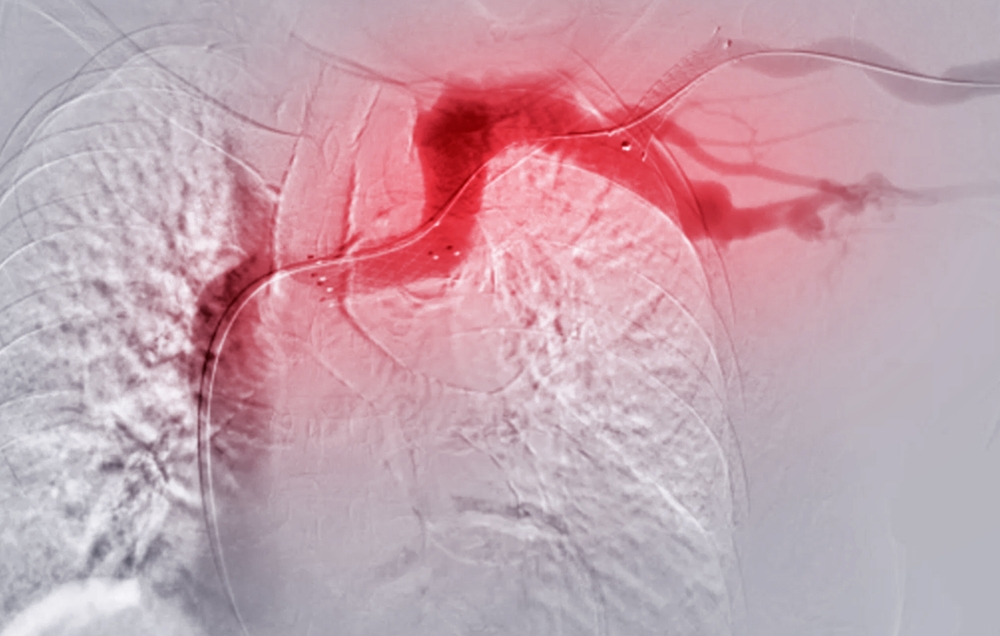
Balloon angioplasty for kidneys widens a narrowed renal artery to restore healthy blood flow. Not every patient needs a stent afterward. Your vascular specialist decides based on how the artery responds to the balloon, the location of the blockage, and your overall health history.
Learning that you or a loved one needs balloon angioplasty for kidneys can bring up a lot of questions. Chief among them: will this require a permanent stent, or is the balloon enough on its own? That uncertainty is completely understandable, especially when a family member is trying to make sense of a new diagnosis on someone else’s behalf.
This guide walks through what balloon angioplasty for kidneys actually involves, when a stent becomes part of the picture, and when it does not. You will also learn what to expect when working with a vascular specialist who can walk you through every decision along the way.
What Is Balloon Angioplasty for Kidneys?
Balloon angioplasty for kidneys is a minimally invasive procedure used to treat renal artery stenosis, a narrowing of the arteries that supply blood to the kidneys. Left untreated, this narrowing can raise blood pressure and reduce kidney function over time.
How the Procedure Works
A vascular specialist threads a thin catheter through a small incision, usually near the groin, and guides it to the narrowed section of the renal artery. A small balloon at the tip of the catheter is then inflated to widen the vessel. Once the artery opens, blood can flow more freely to the kidney, which often helps stabilize blood pressure and kidney function.
Do You Always Need a Stent in Balloon Angioplasty for Kidneys?
This is the question most patients and families want answered first. The short answer is no. Whether you need a stent in balloon angioplasty for kidneys depends on how the artery behaves once the balloon does its work.
When a Stent Is Recommended
A stent, which is a small mesh tube, may be placed if the artery narrows again shortly after the balloon is removed, a problem known as recoil. Stents are also more common when the blockage is caused by hardened plaque rather than a simpler fibrous narrowing, since plaque-related blockages tend to be less stable on their own.
When a Stent May Not Be Necessary
If the artery stays open and blood flow looks strong on imaging after the balloon is deflated, your vascular specialist may decide a stent is not needed. This is more common in younger patients or in cases where the narrowing is caused by fibromuscular dysplasia rather than plaque buildup. Skipping an unnecessary stent means one less foreign device in the body and often a simpler recovery.
Why Choose a Vascular Specialist at Our Vascular Clinic in Brooklyn
Decisions about stent placement should never feel rushed or one-size-fits-all. At our vascular clinic in Brooklyn, every patient works directly with a vascular specialist who explains the reasoning behind each recommendation in plain language, not medical shorthand.
Your family deserves a team that treats your questions with patience, not a checklist. Patients at our vascular clinic in Brooklyn receive imaging results, follow-up plans, and next steps clearly laid out, so nothing about your care feels left to guesswork.
Take the Next Step With Confidence
You do not have to figure out whether you need a stent or balloon angioplasty for kidneys on your own. Our Vascular team is here to walk you and your family through every part of this decision, from the first consultation to recovery. If you have questions about balloon angioplasty for kidneys, reach out to us today by calling +1-718-367-2555 or visiting us at 1797 Pitkin Avenue, Brooklyn, NY 1121 to schedule a consultation.