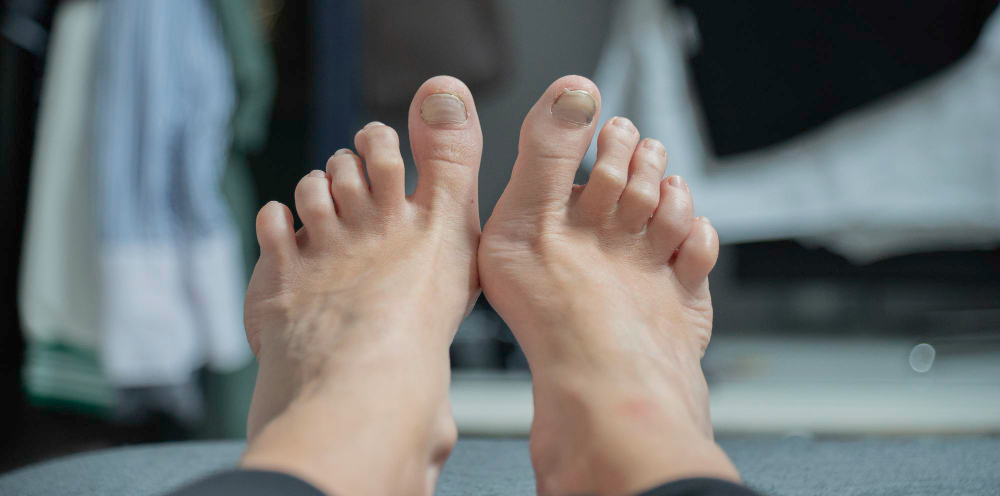
That sharp, throbbing pain along the edge of your toe is hard to ignore. Maybe you have already grabbed the nail clippers, propped your foot on the sink, and tried to fix it yourself. You are not alone. Ingrown toenails are one of the most common foot complaints, and most people reach for a DIY solution first.
Here is the truth. Some ingrown toenails do respond to gentle home care. Others turn into painful infections that need professional attention. Knowing the difference protects your health and saves you from a much bigger problem down the road. This guide will help you understand when to soak and wait, and when to put the clippers down.
What Causes Ingrown Toenails
An ingrown toenail happens when the edge of the nail grows into the surrounding skin. The result is pain, swelling, and sometimes infection.
Several everyday habits raise your risk:
- Tight shoes. Footwear that crowds your toes presses the nail into the skin.
- Improper trimming. Cutting nails too short or rounding the corners encourages the nail to curve inward.
- Injury. Stubbing your toe or dropping something on it can change how the nail grows.
- Genetics. Some people simply inherit curved nails that are prone to this problem.
Understanding the cause matters because it shapes both treatment and prevention. If you tend to develop them again and again, a foot doctor can help you break the cycle. For simple prevention tips, our guide on healthy nail care habits walks you through safe trimming step by step.
Safe Home Care Versus Risky Bathroom Surgery
Mild ingrown toenails often improve with careful home treatment. The danger begins when frustration leads to digging, cutting, or “operating” on your own toe.
When Home Care Is Reasonable
If the toe is only slightly sore and shows no signs of infection, you can try:
- Soaking your foot in warm, soapy water a few times a day
- Gently lifting the nail edge and placing a small piece of cotton underneath
- Wearing roomy, comfortable shoes
- Taking an over-the-counter pain reliever if needed
Give these steps a few days. Many mild cases settle on their own.
When to Stop and Call a Professional
Bathroom surgery carries real risk. Cutting into swollen skin can push bacteria deeper and turn a minor issue into a serious infection. Stop right away and reach out to a foot doctor if you notice:
- Pus, warmth, or spreading redness
- Increasing pain that keeps you up at night
- A foul smell coming from the toe
- Any ingrown toenails paired with diabetes or poor circulation
If you have diabetes, never treat foot problems on your own. Even small wounds can become dangerous quickly, as explained in our overview of diabetic foot care.
How a Podiatrist Treats Ingrown Toenails
A visit to a podiatrist in Brooklyn is faster and far less painful than most people expect. The goal is relief and healing without the guesswork.
Depending on severity, treatment may include gently lifting the nail, removing the ingrown portion, or a quick in-office procedure to prevent regrowth. These options are safe, effective, and designed around your comfort.
You deserve to walk without pain. Booking an appointment with an experienced podiatrist in Brooklyn means expert care and real peace of mind.
Put the Clippers Down and Get Expert Care
Ingrown toenails rarely fix themselves once infection sets in. The sooner you act, the sooner you heal. If home care is not working, or if pain and redness are getting worse, help is close and easy to access.
Reach out today by calling +1 718 367 2555 or visit us at 1797 Pitkin Avenue, New York, NY 11212 to schedule a visit with our Podiatry care team and get the compassionate, expert care your feet deserve.