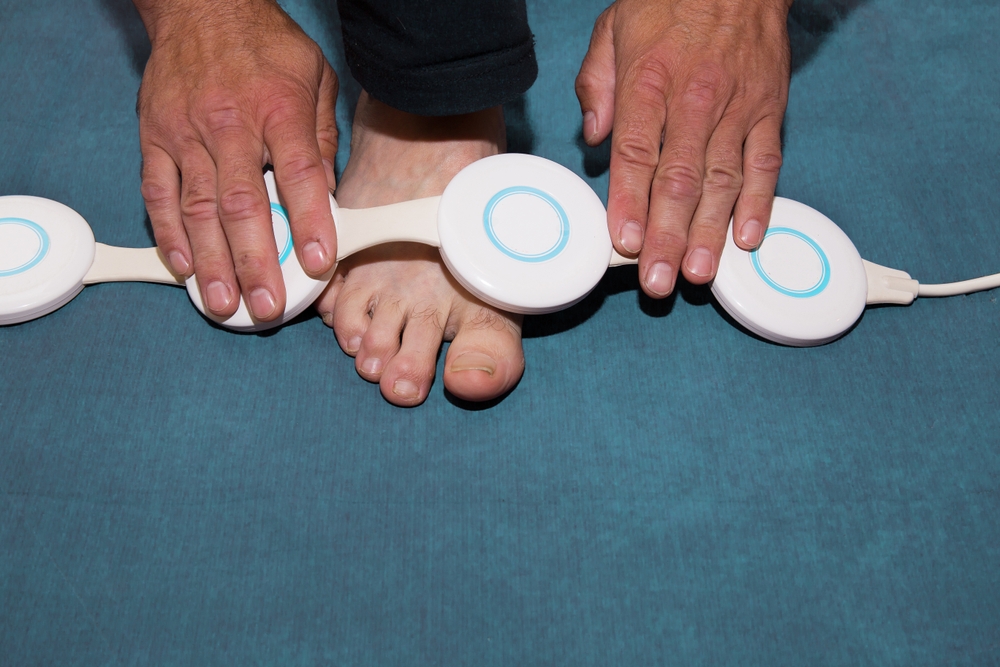
Heel pain has a way of taking over your day. That first painful step in the morning, the ache after standing too long, the worry that it may never fully go away. If a loved one has been living with this for months, you already know how much it wears on them.
The good news is that podiatry treatment options have come a long way. One of the most promising is radiofrequency foot treatment, a minimally invasive procedure offered at outpatient clinics across New York City. It targets stubborn heel pain without major surgery or long recovery times.
This guide walks you through what the treatment involves, how to find the right clinic, and what to expect along the way.
What Radiofrequency Foot Treatment Involves
Long-lasting heel pain often points to plantar fasciitis, one of the most common foot conditions. When stretches, rest, and injections stop working, families understandably start looking for something more.
Radiofrequency nerve ablation offers that next step. A specialist uses targeted heat to calm the nerves sending pain signals from your heel. The procedure is quick, done in a clinic, and does not require an overnight stay.
If you want to understand the full range of care first, our foot and ankle care services page breaks down when each approach makes sense. A trained podiatrist can help match the right method to your needs.
Why the results matter
The evidence here is genuinely encouraging. Studies reported a 93% success rate for treating plantar fasciitis with radiofrequency nerve ablation, with patients resuming normal activities within a single day.
Research in the Pain Physician journal also found pulsed radiofrequency to be a safe, effective method for chronic heel pain. That kind of relief can give your loved one their routine back.
How to Choose the Right Outpatient Clinic
Picking a clinic can feel overwhelming when you just want the pain to stop. Focus on a few clear signals of quality, and the decision gets much simpler.
Look for these markers when comparing outpatient clinics:
- Board-certified specialists: Confirm the treating podiatrist holds proper certification and has hands-on experience with radiofrequency procedures.
- Clear treatment plans: The best clinics explain each podiatry treatment option in plain language before anything begins.
- Insurance support: Staff should help verify coverage and walk you through claims so costs never come as a surprise.
- Convenient locations: Nearby care means easier follow-ups and less travel stress for your family.
For patients in the outer boroughs, several highly rated podiatrists in Brooklyn, NY offer this treatment close to home. Choosing local podiatrists in Brooklyn, NY can make recovery visits far more manageable.
What to ask at your first visit
A short list of questions helps you feel confident and in control:
- How many radiofrequency procedures has this podiatrist performed?
- What results can we realistically expect, and when?
- What does aftercare look like at home?
Our managing chronic heel pain guide offers more questions worth raising during that first appointment.
What to Expect During Recovery
Recovery worries are normal, especially when you are the one coordinating care. Here is the reassuring part.
Most patients walk out the same day and return to light activity quickly. Your clinic should provide simple aftercare steps and a direct contact for any concerns. You are never meant to navigate healing alone.
Take the Next Step Toward Lasting Relief
Chronic heel pain does not have to be permanent. With the right clinic and the right specialist, meaningful relief is well within reach for you or your loved one.
If you are ready to explore your options, reach out to our podiatry team today by calling us at +1-718-367-2555 or walking into our clinic at 1797 Pitkin Avenue, Brooklyn, NY 11212 to schedule a consultation and take the first step toward walking pain-free.