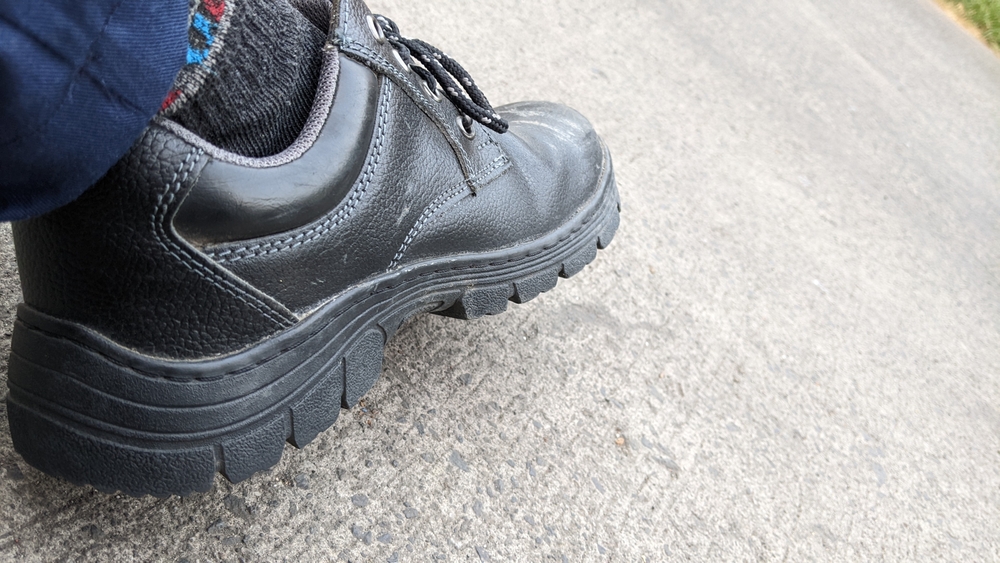
Manhattan construction sites do not offer soft ground. You spend your day on concrete, rebar, and steel decking, and your feet absorb every bit of that impact. By the end of a shift, aching arches and sore heels can feel like part of the job.
They do not have to be.
The right insole changes how your foot handles the demands of a construction site. It cushions impact, supports your arch, and helps you stay on your feet without the burning fatigue that builds by midafternoon. Below, we break down what to look for in a work boot insole and how a podiatrist can help you find the right fit for your feet.
Key Features of the Best Work Boot Insoles for Manhattan Construction Workers
Not every insole is built for the demands of a job site. Here is what separates a supportive insole from one that will leave your feet aching by lunch.
Shock Absorption for Concrete Surfaces
Concrete does not give. Every step you take on it sends force straight back up through your heel and into your joints. Over time, that repeated impact contributes to heel pain, plantar fasciitis, and lower back strain.
A quality insole uses cushioning materials, like gel or high-density foam, to absorb that shock before it reaches your foot. This matters most for workers who spend hours standing on hard surfaces or walking across a site carrying tools and materials.
Arch Support and Alignment for Long Shifts
Your arch does a lot of quiet work. It distributes your body weight evenly across your foot with every step. When that arch is not properly supported, your foot can roll inward or outward, throwing off your alignment and putting stress on your ankles, knees, and hips.
Look for an insole with built-in arch support that matches your foot type. Whether you have a high arch, a flat foot, or something in between, the right structure keeps your foot properly aligned through a ten-hour shift.
Durability and Material Considerations
Construction work is hard on gear, and insoles are no exception. A well-made insole should hold up to moisture, debris, and daily wear without breaking down.
Look for these qualities when comparing options:
- Moisture-wicking material. Keeps feet dry during long shifts and reduces the risk of blisters and fungal infections.
- Reinforced heel cups. Stabilize the foot and reduce excess movement inside the boot.
- Firm base layer. Prevents the insole from compressing too quickly under heavy daily use.
An insole that wears out in a few weeks is not doing your feet any favors, no matter how good it feels on day one.
How Professional Podiatry Insights Help Choose the Right Support
Picking an insole off a shelf is a guess. A podiatrist takes the guesswork out.
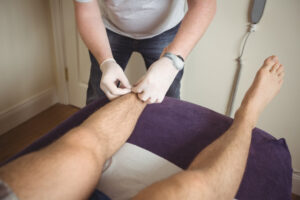
Every foot is different. Your arch height, gait, and any existing foot conditions all affect which insole will actually help you. A podiatrist can evaluate your foot structure and recommend an insole, or a custom orthotic, built around how your foot actually moves and bears weight.
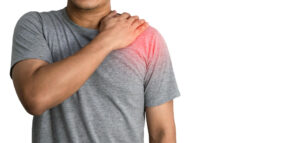
This kind of guidance matters even more if you are already dealing with heel pain, numbness, or swelling by the end of your shift. Those symptoms are worth addressing before they turn into a chronic problem that affects your ability to work.
Protect Your Feet with Our Help
You rely on your feet every single day on the job. They deserve real support, not a one-size-fits-all insole picked up at a hardware store.
Our podiatry team works with Manhattan construction workers to find footwear solutions built for the demands of the job site. If foot pain has become part of your daily routine, a visit to a podiatrist can help you understand what is causing it and what will actually fix it. For those closer to home, our podiatry team offers the same personalized care, from insole recommendations to custom orthotics designed around your foot and your work. Reach out today by calling us at +1-718-367-2555 or walking into our clinic at 1797 Pitkin Avenue, Brooklyn, NY 11212 to schedule an evaluation and take the pressure off your feet, one step at a time.