Chronic nerve pain can take over your life. It disrupts your sleep, limits your movement, and wears down your spirit day after day. When medications and physical therapy no longer help, it is easy to feel like you are out of options.
You are not. Peripheral nerve stimulation is a proven treatment that targets neuropathic pain right at its source. This minimally invasive therapy uses a small implanted device to interrupt the pain signals traveling from damaged nerves to your brain. For many people struggling with stubborn nerve pain, it offers real, lasting relief and a path back to daily life.
What Is Peripheral Nerve Stimulation?
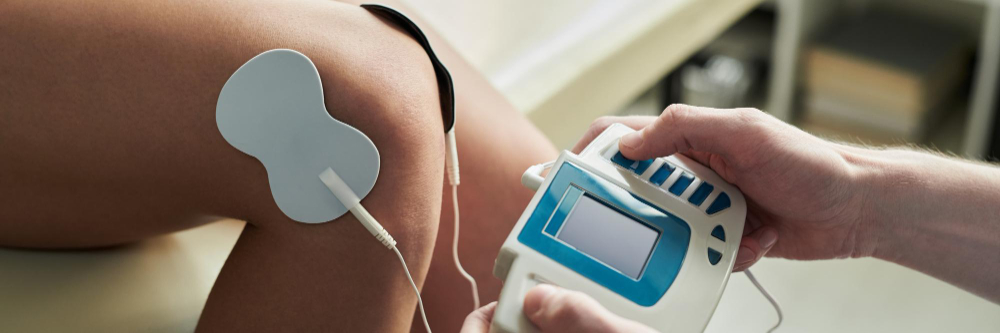
Peripheral nerve stimulation, or PNS, is an outpatient procedure for chronic pain. Your doctor places a tiny electrode near the affected nerve, just beneath the skin.
The device sends gentle electrical pulses that disrupt pain messages before they reach your brain. Because it is placed through the skin without major surgery, recovery is quick. If conservative care has not worked, PNS may be one of the most effective chronic pain treatment options available to you today.
How Peripheral Nerve Stimulation Relieves Nerve Pain
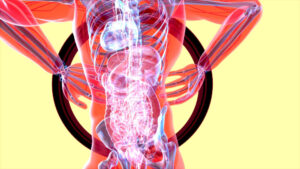
Nerve pain persists because damaged nerves keep firing distress signals. PNS steps in to quiet that noise.
The therapy works partly through the gate control theory of pain. By activating large A-beta nerve fibers, the device “closes the gate” on pain signals carried by smaller fibers, so fewer reach your brain.
The evidence is strong. The 2025 ASPN consensus guidelines reported an 81% responder rate and a 66% average reduction in pain across studied patients. Those numbers reflect meaningful, life-changing relief for people who had nearly given up hope.
Who Is a Candidate for PNS?
Not everyone needs an implanted device, and that is an honest conversation worth having. PNS is generally considered when your pain has lasted more than three months and other treatments have not helped.
Good candidates have usually tried conservative care first, including physical therapy, medications, and injections. A pain management specialist will evaluate your history, examine the affected area, and confirm whether PNS fits your needs.
Conditions Treated
Peripheral nerve stimulation can help with a wide range of painful conditions, including:
- Diabetic neuropathy: Eases the burning, tingling pain of nerve damage from diabetes.
- Complex regional pain syndrome (CRPS): Targets intense, localized pain after injury.
- Post-amputation pain: Reduces phantom limb and residual limb discomfort.
- Low back pain: Addresses ongoing pain that has not responded to other care.
- Migraines and headaches: Calms refractory head pain through occipital nerve targets.
- Shoulder and knee pain: Relieves persistent joint pain, including after stroke or surgery.
If your condition appears here, dedicated nerve pain relief services may bring the comfort you have been searching for.
What to Expect at a Pain Medical Clinic
The unknown can feel intimidating, so here is how the process unfolds. Your care begins with a trial phase at a pain medical clinic.
Your doctor places a temporary electrode and keeps you awake, using local anesthetic for comfort. You will feel your pain replaced by a mild tingling sensation. If the trial brings good relief over about a week, a permanent device can be implanted.
Safety and Risks
Every procedure carries some risk, and you deserve clear information. PNS is classified as a low-to-intermediate risk procedure under ASPN guidelines.
Possible complications include bleeding, infection at the incision, and occasional device issues such as signal problems. Serious complications are rare, and your care team will guide you through prevention and recovery every step of the way.
Take the Next Step Toward Relief
You have lived with nerve pain long enough. Peripheral nerve stimulation may offer the targeted relief that other treatments could not.
Talk with experienced pain management specialists about whether this therapy is right for you. Reach out to us today by calling us at +1-718-367-2555 or walking into our clinic at 1797 Pitkin Avenue, Brooklyn, NY 11212, and start your path back to a fuller, more comfortable life.