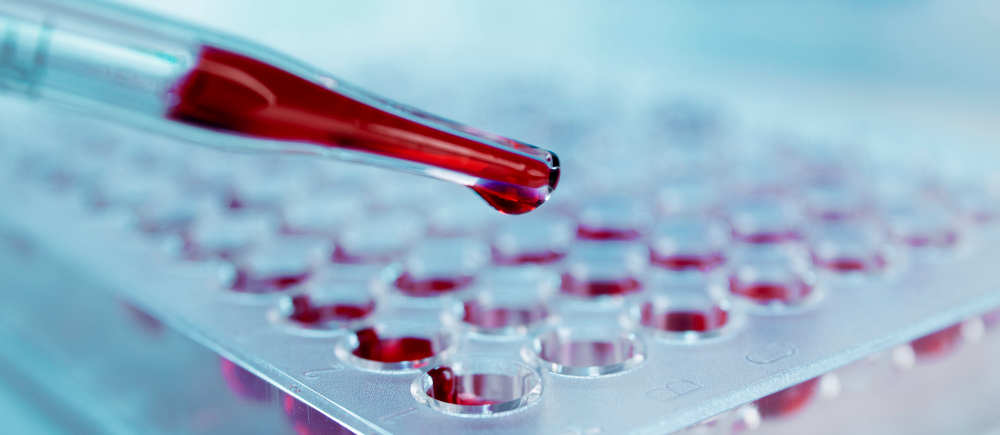
A blood culture protocol is the standardized lab process used to detect harmful bacteria, fungi, or toxins circulating in the bloodstream. Clinicians draw blood samples from separate sites, incubate them to encourage microbial growth, then identify any pathogens present using specialized testing. This process typically takes 24 to 120 hours and guides treatment decisions for serious infections like sepsis.
A fever that will not break. Confusion that seems to come from nowhere. These signs can be frightening, especially when a loved one’s condition changes quickly. In many of these cases, doctors turn to a blood cultures protocol to find out what is happening inside the body.
This guide walks you through how the blood cultures protocol works, what labs are looking for, and when it makes sense to bring in an infectious disease specialist for support.
What Is the Blood Cultures Protocol?
A blood culture is a laboratory test that checks for bacteria, fungi, or other microorganisms in the bloodstream. According to the Centers for Disease Control and Prevention (CDC), bloodstream infections can quickly progress to sepsis, a life-threatening condition that requires fast, accurate diagnosis.
The blood cultures protocol exists to catch these infections early. Lab teams follow strict, standardized steps to avoid contamination and ensure the results reflect what is truly happening in your loved one’s blood, not an error introduced during collection.
How Labs Identify Blood Toxins and Pathogens
Labs rely on a careful, multi-step process to identify harmful organisms in the blood. Each step builds on the last, narrowing down exactly what is causing an infection.
The Testing Process Step-by-Step
- Sample collection: A clinician draws blood from two separate sites, reducing the chance that skin bacteria contaminate the results.
- Incubation: Samples go into aerobic and anaerobic bottles, then into an incubator where any organisms present can multiply.
- Growth monitoring: Automated systems continuously check for microbial growth, often flagging a positive result within 24 to 48 hours.
- Identification: If growth appears, the lab identifies the specific organism using tools such as Gram staining and mass spectrometry.
- Susceptibility testing: The lab tests which antibiotics or antifungals work against the organism, so your loved one’s care team can choose the most effective treatment.
This entire process usually takes a few days, though a negative result may take up to five days to confirm, since some organisms grow more slowly than others.
When Should You See an Infectious Disease Specialist?
A primary care provider can order blood cultures, but interpreting the results and building the right treatment plan often calls for specialized expertise. An infectious disease specialist can confirm which organism is present, select the most effective medication, and adjust the course if the infection does not respond as expected.
Consider reaching out to a specialist if your loved one has:
- A persistent, unexplained fever
- A recent hospitalization or surgery
- A weakened immune system from illness or treatment
- Symptoms that continue despite standard antibiotic treatment
You do not have to interpret lab results or treatment options alone. A specialist can guide your family through diagnosis and recovery every step of the way.
Connecting with Infectious Disease Doctors in Brooklyn
Timely access to the right specialist can make a real difference in outcomes. Infectious disease doctors in Brooklyn can order and interpret blood cultures, manage complex infections, and coordinate ongoing care so your family is never left guessing about next steps.
Home-based follow-up care adds another layer of comfort. Receiving monitoring and treatment in a familiar setting can ease the stress that often comes with frequent hospital visits, while still keeping your loved one safe.
Take the Next Step Toward Answers
Waiting on lab results is never easy, especially when a loved one’s health is uncertain. Understanding the blood cultures protocol can help you feel more prepared for the conversations ahead.
Our experienced infectious disease specialists will provide you with initial testing through full recovery. Reach out to us today by calling +1-718-367-2555 or visiting us at 1797 Pitkin Avenue, Brooklyn, NY 1121 to schedule a consultation and take the next step toward answers.