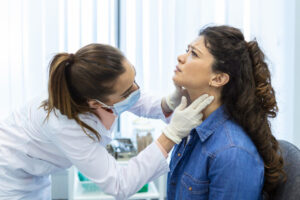
While factors like genetics and family history play a role in breast cancer risk, they don’t tell the whole story. Research shows that proactive choices can significantly influence your health. Making simple, sustainable lifestyle changes to prevent breast cancer is an empowering step you can take. This commitment to breast cancer prevention is not about perfection; it’s about making conscious decisions that support your long-term well-being. As we embrace National Breast Cancer Awareness Month, it’s the perfect time to focus on Aactionable strategies that can lower your risk and promote overall health. Visit the best Women’s Health Clinic in Brooklyn at Doral Health & Wellness or log on to www.doralhw.org.
The Role of Diet in Reducing Breast Cancer Risk
What you eat has a profound impact on your body’s ability to fight off disease. A balanced diet rich in nutrients can help maintain a healthy weight and reduce inflammation, both of which are crucial for breast cancer prevention.

Foods to Embrace
Focus on incorporating a variety of whole foods into your daily meals. A plant-forward diet is particularly beneficial.
- Fruits and Vegetables: Aim for a colorful plate filled with leafy greens, berries, and cruciferous vegetables like broccoli and cauliflower. These are packed with antioxidants and phytochemicals that protect cells from damage.
- Fiber-Rich Foods: Whole grains, legumes, and seeds help regulate estrogen levels and support a healthy digestive system.
- Healthy Fats: Choose sources like avocados, nuts, seeds, and olive oil. Omega-3 fatty acids, found in fatty fish like salmon, have anti-inflammatory properties that are beneficial for your health.
Foods to Limit
While no single food causes cancer, certain dietary patterns can increase your risk. Moderation is key.
- Processed Foods: Items high in sugar, unhealthy fats, and preservatives can contribute to weight gain and inflammation.
- Red and Processed Meats: Limiting your intake of foods like bacon, sausage, and red meat can help reduce your overall risk.
Movement as Medicine: Exercise for Breast Cancer Prevention
Regular physical activity is one of the most effective lifestyle changes to prevent breast cancer. Exercise helps you manage your weight, reduces levels of hormones like estrogen and insulin, and boosts your immune system. The goal is to make movement a consistent part of your routine.
How Much Exercise Is Enough?
For substantial health benefits, adults should aim for:
- At least 150 to 300 minutes of moderate-intensity aerobic activity per week (like brisk walking, swimming, or cycling).
- Or 75 to 150 minutes of vigorous-intensity aerobic activity per week (such as running or aerobic dancing).
- Muscle-strengthening activities involving all major muscle groups on two or more days a week.
Even small changes, like taking the stairs or going for a short walk during your lunch break, contribute to your weekly total. The key is to find activities you enjoy, ensuring you stick with them.
Rethinking Your Drink: Alcohol and Breast Cancer
The link between alcohol consumption and breast cancer is well established. Alcohol can increase levels of estrogen and other hormones associated with hormone-receptor-positive breast cancer. It can also damage DNA in cells, which can lead to cancerous growth.
For those concerned about breast cancer prevention, the recommendation is to limit alcohol intake as much as possible. If you choose to drink, do so in moderation. This is defined as up to one drink per day for women. Reducing your alcohol consumption is a direct and impactful way to lower your risk. This focus on Health Awareness empowers you to make informed decisions about your habits.
Environmental Factors and Your Health
Your environment can also expose you to chemicals that may affect your breast cancer risk. While you can’t control every exposure, you can take steps to minimize contact with known carcinogens and endocrine-disrupting chemicals.
Minimizing Harmful Exposures
- Choose Products Wisely: Be mindful of the ingredients in your personal care products and cleaning supplies. Opt for brands that use fewer harsh chemicals.
- Filter Your Water: Use a certified water filter to reduce your exposure to potential contaminants in drinking water.
- Limit Plastics: Avoid heating food in plastic containers and choose glass or stainless steel when possible, to reduce exposure to chemicals like BPA.
Taking steps for breast cancer prevention is a powerful act of self-care. By focusing on a balanced diet, regular exercise, moderating alcohol, and being mindful of your environment, you can actively reduce your risk and enhance your overall quality of life.
This National Breast Cancer Awareness Month, commit to making one small change. Whether it’s adding more vegetables to your plate, scheduling daily walks, or cutting back on alcohol, every positive step matters. Talk to your doctor about your personal risk factors and discuss a screening schedule that is right for you. Your health is your greatest asset—protect it. If you need help, register your information and make direct contact with our doctors at https://yuz88hfiyh7.typeform.com/Doralintake.
If you have questions or need support, we encourage you to contact Doral Health & Wellness. For further inquiries, call us on +1-718-367-2555 to get a consultation. We have some of the finest health specialists who listen to your concerns, examine your symptoms, and create a treatment plan to improve your condition as soon as possible. Log on to www.doralw.org. or visit us at 1797 Pitkin Avenue, Brooklyn, NY 11212.