If your toenail is damaged or broken, you should know how and when you should seek medical intervention. If left untreated, it can cause severe complications. Learn the treatment and prevention of broken and damaged toenails in this article. Get a consultation with the best Podiatrists in Brooklyn.
Broken Toenail: Treatment Options and Prevention
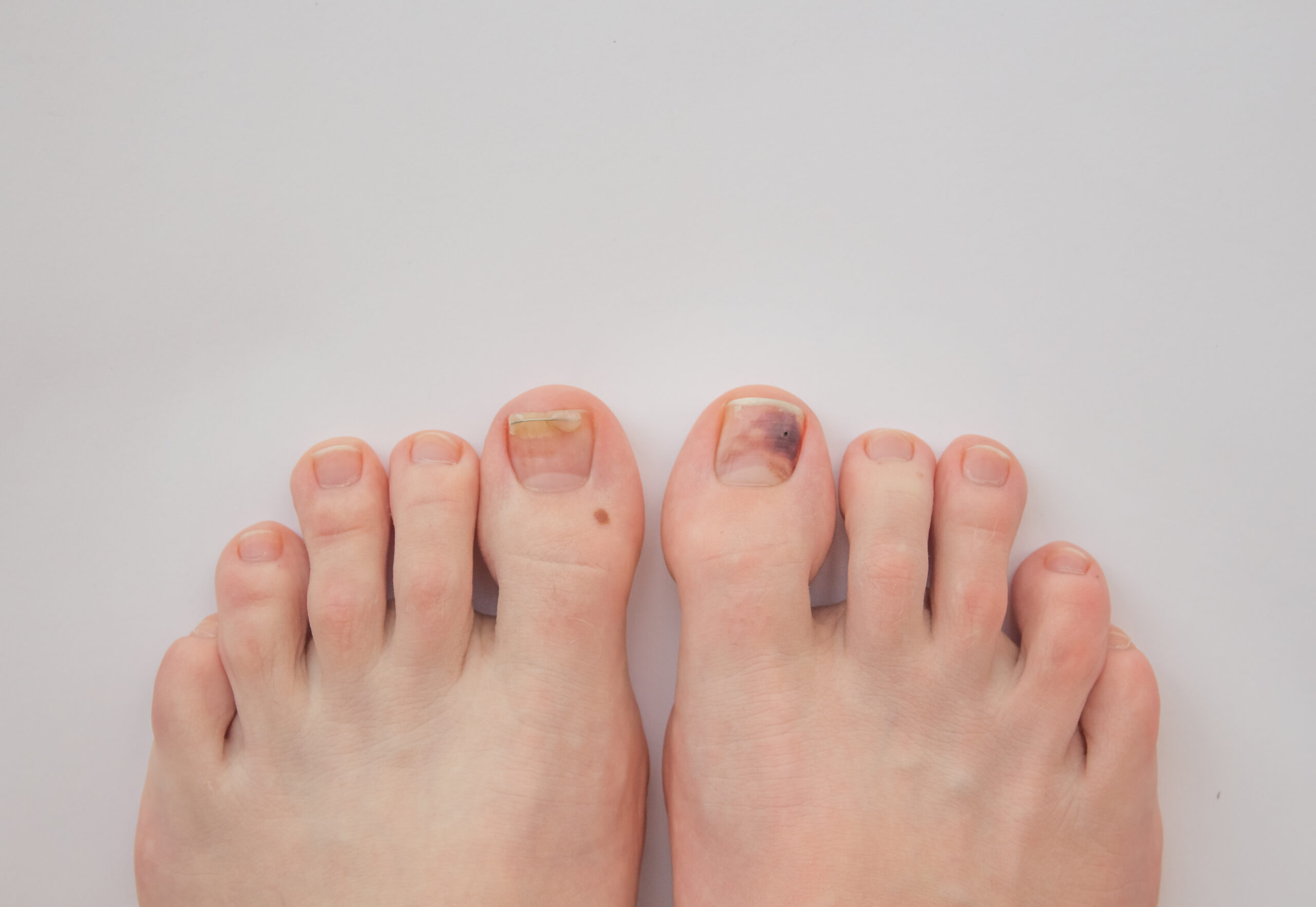
If you break a toenail at home, accidentally stub your toe, or drop something heavy on your foot; depending on the severity of the broken toenail, you can use home remedies or medical treatment to ensure your nail grows back normally.
Home remedies involve the following steps:
- If it’s painful, soak your toes in cold water for 20 minutes.
- Trim the loose part to prevent it from getting caught in clothes, carpets, or other objects, thereby avoiding further damage. Ensure you use clean scissors or nail clippers to cut along the line of the tear, creating an even edge. In case your nail gets cracked from side to side without a rough edge, it doesn’t need trimming.
- You need to protect the exposed part of the nail bed (skin under the nail) from anything that causes infection until the skin hardens and is no longer sensitive. For that, apply antibiotic ointment and cover it with a nonstick bandage. Make sure you change the bandage every day and/or when it gets wet.
- Make sure, for the first couple of days, to ease pain and swelling, elevate your foot higher than the level of the heart. Use cold therapy (applying an ice pack wrapped in a thin towel on the toenail area) for 20 minutes every 3 to 6 hours to reduce swelling and inflammation. You can also take over-the-counter medicine to relieve pain and swelling.
- Wear well-fitting shoes or sandals to prevent your toes from getting hurt.
If a broken toenail doesn’t get better with home remedies and shows the signs of infection or a severely damaged nail or nail bed, medical intervention is necessary. A doctor will numb the area, stop the bleeding, and treat the nail by cleaning, trimming, and putting the nail back in its place, if possible, because your nail can protect the nail bed better than a bandage.
Your doctor will also relieve the pressure from blood pooling under the nail. To prevent infection, they may use antibiotics and possibly a tetanus booster shot. Sometimes, you may need an X-ray if you have a broken bone in the toe. Once found, the doctor may tape it to the next toe for support until it heals. Make sure you follow the doctor’s instructions to prevent further foot problems and complications until it heals.
Damaged Toenail: Treatment Options and Prevention
A Damaged Toenail can occur from injuries, repetitive stress, tight footwear, or health conditions like fungal infections. If minor, you can treat it at home by trimming the nail, applying antibiotic ointment, and covering it with a bandage until it heals. In case you have severe pain, bleeding, and signs of infection like pus, redness, and swelling, you should see a podiatrist.
The doctor will first clean the wound and drain the blood and relieve pressure under the nail. Sometimes, the nail may need to be removed to repair the deep tear with stitches. When this process is completed and your nail bed dries up, your provider may recommend moisturizer or antifungal medication to prevent fungal infections and keep the nail bed healthy for new nail growth. Your doctor may also prescribe antibiotics to prevent infection. In case you have neuropathy, diabetes, or any other condition that affects healing and circulation, then the doctor will evaluate your toenail injury, or in rare cases, it can lead to amputation if the injury is left untreated.
You can’t prevent all toenail injuries from happening, but there are certain things you can choose to protect your toes:
- Wear properly fitting shoes: It may help your feet be comfortable and relieve pressure, along with good support that promotes healing. Make sure your shoes have good arch support and enough space in the toe box (the area at the front of the shoe).
- Keep toenails trimmed: Keep your toenails properly trimmed with a clean, sterile nail clipper to lower the risk of rubbing and pressure.
- Manage moisture if you have sweaty feet: If you’re prone to sweaty feet, you should use antiperspirant before physical activities.
- Purchase silicone or gel toe caps: If you’re prone to toenail trauma, then you can use caps to prevent blisters, rubbing, irritation, and toenail loss.
How does a podiatrist treat a broken/damaged toenail?
A podiatrist will treat a damaged toenail after assessing the damage to the nail structure, whether the toe is damaged below the surface or not. This helps the doctor determine whether you need other treatments or partial removal of the nail.
Usually, the doctor will clean the affected toe with surgical soap or alcohol. If partial removal is necessary, the doctor uses an injection of local anesthesia, or in some cases, an elastic band or a tourniquet is used on the toe base. Now the doctor will separate the nail from the skin with the help of a tool that is inserted under the nail to lift and remove the nail plate. When the entire area is cleaned out, an antibiotic ointment is used to lower the risk of infection, and then the wound is bandaged.
Based on the cause and extent of damage to the toenail, a chemical solution can be applied to prevent malformed regrowth, or the nail matrix can be removed to prevent regrowth, which is a surgical procedure that takes 15 to 20 minutes. After the procedure, you can go home in a few minutes. Once your toenail is removed, it takes 6 to 18 months (about 1 and a half years) to grow again to normal length. Immediately after the surgery, you may feel tenderness, redness, and swelling. You need to elevate the affected toe above the heart level for about 48 hours (about 2 days) after the procedure to reduce pain and swelling. You can take acetaminophen to lower pain and discomfort. But avoid aspirin or NSAIDS because they increase the risk of bleeding. Make sure you follow all the instructions of the doctor regarding changing bandages, washing, and caring for the toe. Make sure you take oral medicines as prescribed by the doctor. It can take days to several weeks for full recovery, depending on the reason and extent of the toenail damage.
While you can’t prevent all the factors that may lead to surgical toenail removal, some risk factors can be lowered by:
- Keeping the feet clean and dry.
- Wearing breathable material socks and changing them when they are damp with sweat. Disinfecting your shoes and changing them when damp is also helpful.
- Wearing flip-flops near public pools and public showers instead of being barefoot.
- Letting your feet relax at home by not wearing socks all the time.
- Cutting toenails correctly.
- Seeking medical attention if you notice fungal infection signs.
In case you have repeated fungal infections or painful ingrown toenails, the toenail may need to be removed again. Consult your doctor about the procedure to destroy the nail matrix to permanently prevent the nail from regrowing.
Broken and damaged toenails have some minor differences in their treatment options and prevention. A broken toenail is a minor condition that can be treated mostly at home until the toenail is broken too much. Whereas damaged toenails are mostly severe and need medical intervention to remove the toenail to treat the condition. Make sure you follow the above-mentioned prevention tips to lower the risk of broken and damaged toenails and keep your toenails healthy.
Need help with toenail problems? Visit our podiatry clinic in Brooklyn to get professional medical help. Call us to book your appointment now! At Doral Health & Wellness, we have Podiatrists with extensive education and expertise. If you’re ready to take the next step in managing your pain, we recommend consulting with our healthcare provider to explore the right treatments or therapies for you. Always listen to your body and adjust your daily routine to prioritize your well-being. Trauma to the tendons, muscles, and bones of the foot is quite common. It’s not a good idea to put off seeing Foot Doctor Brooklyn until you are in a lot of pain. Our address is 1797 Pitkin Avenue, New York, NY 11212. To make an appointment, please call + 1 718 367 2555 or send an email toinfo@doralhw.org.