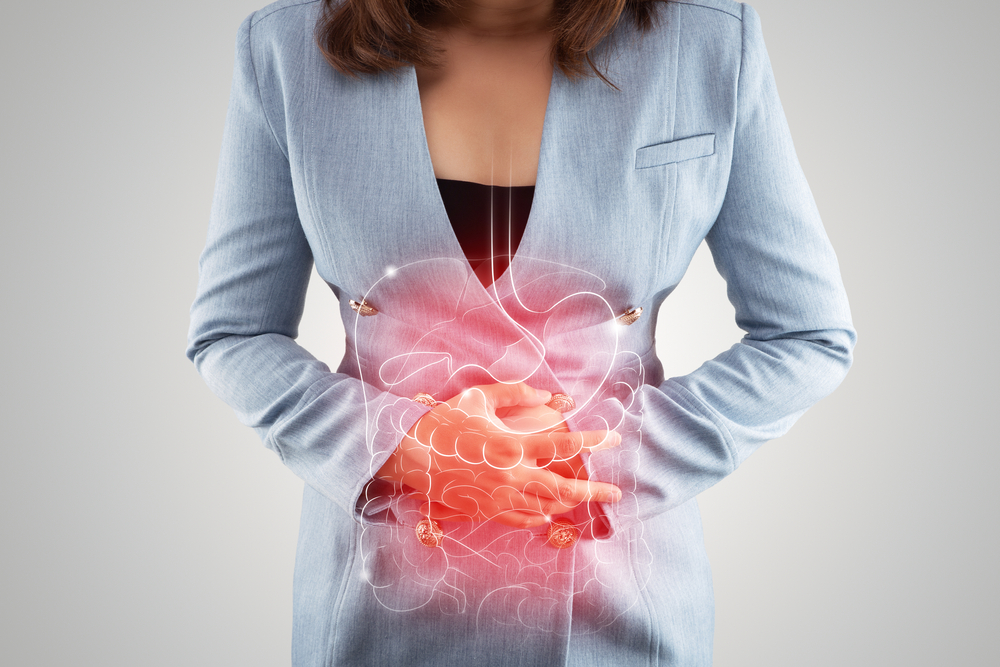
Colitis is a chronic inflammatory condition that affects the colon, or large intestine. It often arises due to a variety of underlying causes such as bacterial or viral infections, autoimmune disorders, or chronic illnesses like Crohn’s disease and ulcerative colitis—both of which are forms of inflammatory bowel disease (IBD). The inflammation associated with colitis can lead to a wide range of uncomfortable and sometimes debilitating symptoms, including persistent abdominal pain, frequent bouts of diarrhea, bloating, urgency to defecate, and rectal bleeding.
In many cases, individuals experience colitis flares, which are periods when symptoms suddenly worsen or intensify. These flares can be unpredictable and are often triggered by factors like stress, dietary changes, skipped medications, or infections. Managing these episodes is a critical part of long-term colitis care, as flares can disrupt daily life and may increase the risk of complications if left untreated.
If you have questions about colitis, you can visit Doral Health and Wellness. We have the best gastroenterologist that can help you with your condition. You can contact us by visiting our clinic or visiting our website at https://doralhw.org/.
Colitis Flare Management
Relieving colitis flares involves a combination of medical interventions and self-care strategies. Here are some approaches that can help ease or relieve symptoms during a flare-up:
- Follow your treatment plan — Always take your medications as prescribed by your medical provider, including anti-inflammatory drugs, immunosuppressants, or biologics.
- Dietary changes — Follow a low-residue or low-fiber diet during flare-ups to minimize irritation. Also consider avoiding trigger foods that Can worsen your symptoms.
- Hydration — Drink plenty of fluids, especially if you are experiencing diarrhea, to prevent dehydration.
- Probiotics — Discuss with your medical provider whether including probiotics can be beneficial in promoting a healthy balance of gut bacteria.
- Rest — Get adequate rest to support your body’s healing process. Stress management techniques, such as meditation or deep breathing, can also be helpful.
- Warm baths — Soaking in a warm bath may provide you relief and also help you relax your abdominal muscles.
- Pain management — Over-the-counter pain relievers, such as acetaminophen, can help manage your discomfort. However, consult with your medical provider before using nonsteroidal anti-inflammatory drugs (NSAIDs) like ibuprofen, as they can worsen your colitis symptoms.
- Avoiding triggers — Identify and avoid triggers that can worsen your symptoms, such as certain foods, stress, or lack of sleep.
- Regular monitoring — Keep a symptom journal to track your patterns, triggers, and the changes in your condition. Share this information with your medical provider for better management of your condition.
Always consult with your medical provider before making any significant changes to your treatment plan or before trying new approaches, as individual responses to treatments can vary. If symptoms persist or worsen, always seek immediate medical attention.
If you or your loved one have signs and symptoms for colitis, have them/yourself checked. You can schedule an appointment with Doral Health and Wellness Gastroenterology Center’s best gastro doctors in Brooklyn. If you are looking for treatments, you can also talk to our specialists and inquire with them. To schedule an appointment, please visit us at 1797 Pitkin Avenue, Brooklyn, New York 11212 or call 1-347-384-5690.