Commute foot care means adjusting your footwear and habits to handle sudden temperature swings between outdoor cold and indoor heat. The shift traps sweat inside your shoes, which softens skin and creates friction, leading to blisters and foot odor. Moisture-wicking socks, a mid-commute shoe change, and letting your feet air out can prevent most of these common foot problems.
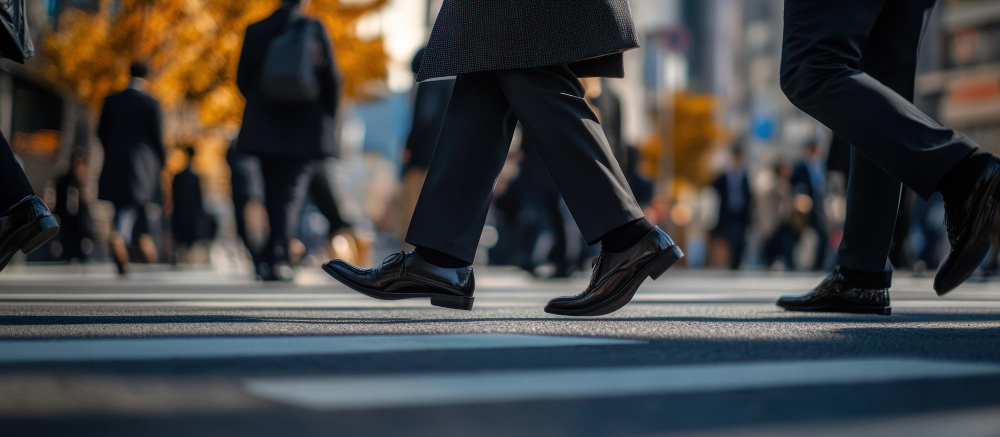
Your feet go through more in one commute than most people realize. You step outside into freezing air, bundle into heavy boots, then walk into an overheated lobby where your socks are suddenly soaked. That swing between cold and hot is not just uncomfortable. It is one of the most common causes of foot blisters and foot odor among commuters, and it catches people off guard every winter.
The good news is that this cycle is preventable. With a few adjustments to your routine, you can protect your skin, keep your shoes dry, and walk into meetings without worrying about what your feet feel like.
Why the Cold-to-Hot Commute Triggers Common Foot Problems
How Temperature Swings Trap Sweat and Cause Foot Blisters
Cold weather boots are built to insulate, which means they hold in heat once you step indoors. Your feet start sweating to regulate temperature, but that moisture has nowhere to go inside a sealed boot. Damp skin softens and becomes more prone to friction. Add a full day of walking on that softened skin, and foot blisters are the predictable result.
The Science Behind Foot Odor in Office Settings
Sweat itself does not smell. The odor comes from bacteria breaking down sweat and dead skin inside a warm, enclosed shoe. Office buildings keep a stable, warm temperature, which is exactly the environment that bacteria need to thrive. Combine that with socks that were already damp from the commute, and foot odor builds quickly over the workday.
Commute Foot Care: Smart Habits for Every Step of Your Day
A few simple habits can break this cycle before it starts.
- Insulated, breathable boots: Choose boots rated for cold weather that still allow some airflow, rather than fully sealed waterproof styles for short walks.
- Moisture-wicking socks: Swap cotton for wool or synthetic blends that pull sweat away from your skin instead of holding it against your foot.
Indoor Transition
- Change shoes at your desk: Keep a second pair of work shoes at the office so your damp boots can dry out instead of staying on your feet.
- Air out your feet: Remove your shoes for a few minutes once you are settled, and let your socks and skin breathe before the day gets busy.
All-Day Prevention
- Rotate socks if needed: A spare pair in your bag lets you change if your feet feel damp by midday.
- Use a foot powder or antiperspirant: These reduce moisture buildup, which directly limits both blisters and odor.
When Common Foot Problems Need Professional Attention
Most blisters and odor issues respond well to the habits above. But persistent pain, blisters that will not heal, cracked skin, or odor that does not improve with hygiene changes can signal a deeper issue, like a fungal infection or improper footwear fit. At that point, it is worth getting a professional opinion rather than guessing.
Take the Next Step Toward Comfortable Feet
You should not have to dread your commute because of sore, damp, or uncomfortable feet. Our podiatry team is here to help you find lasting relief.Our podiatry team is here to help you find lasting relief. If home care is not cutting it, reach out to us today by calling +1-718-367-2555 or visiting us at 1797 Pitkin Avenue, Brooklyn, NY 1121 to schedule an evaluation and take the next step toward comfortable, confident steps.