If you have cracking/dry skin on your heels, you may have a clinical condition called ‘cracked heels.’ Cracked heels are not a serious problem, but not treating them on time can increase the risk of severe complications, especially if you have diabetes. To prevent this, make sure you check for cracked heel symptoms and seek treatment. Learn about all the available treatment options for cracked heels in this article. Get a consultation with the best Podiatrists in Brooklyn.
Causes
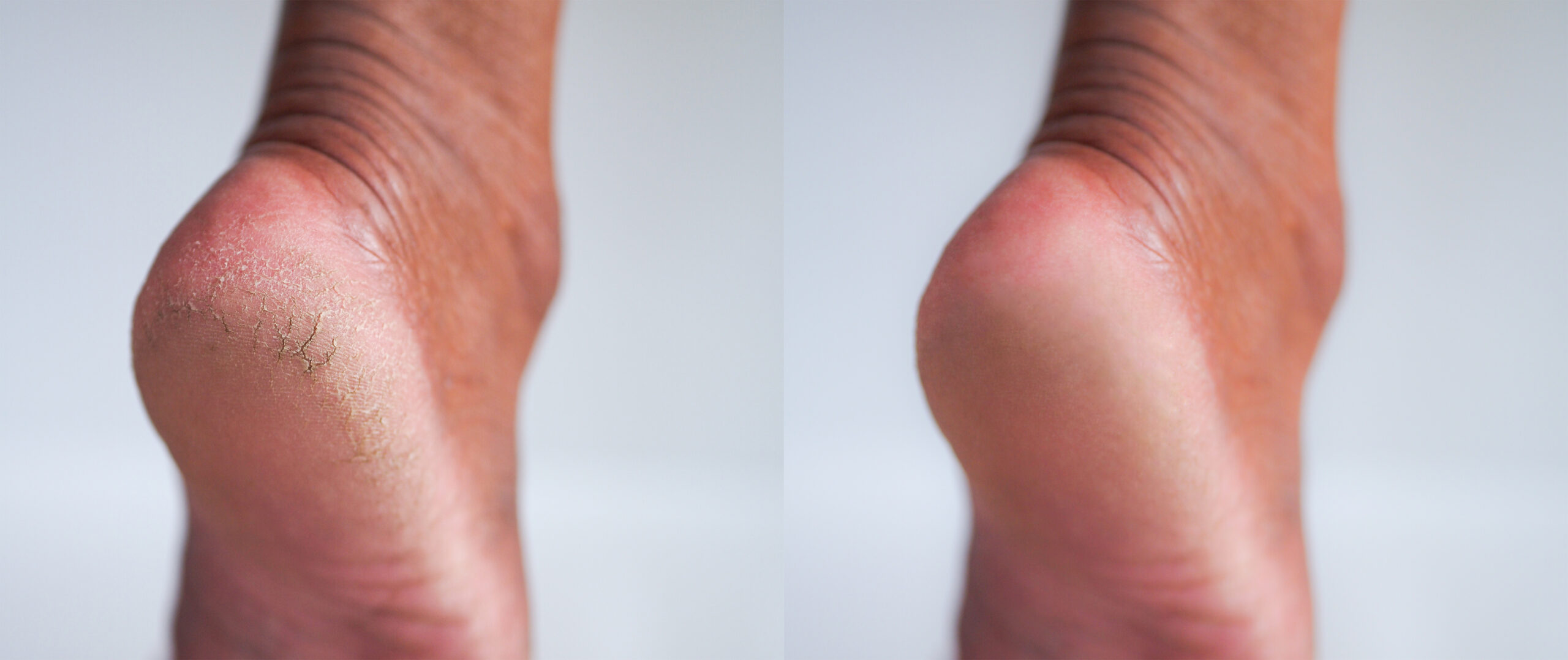
Cracked heels occur when the skin around the heels becomes dry and thick. Then, whenever you apply extra pressure on the fat pad of the heels, it makes dry, thick skin start to burst into cracks or heel fissures. While anyone can develop heel fissures, certain things can increase the risk, such as:
- Wearing open-heeled footwear, such as sandals
- Taking hot baths or showers
- Using harsh soaps
- Having cold, dry skin
- Dry and chilly weather
- Standing for long periods of time.
Besides these factors, the following medical conditions also lead to cracked heels:
- Hypothyroidism, a condition where your thyroid gland doesn’t produce enough thyroid hormones.
- Juvenile plantar dermatosis is a skin condition that occurs in young children.
- Sjögren’s syndrome, a chronic condition that stops your body from making enough moisture.
- Athlete’s foot, a common fungal infection.
- Heel spurs are bony growths that develop on the bottom of your heel.
Certain medications also lead to cracked heels.
Symptoms
The most common sign of cracked heels is the appearance of dry and cracked skin. Besides that, you may also experience any of the following signs:
- Pain and discomfort, especially while standing
- Itchiness in the area
- Bleeding in the cracks
- Flaky skin
- Warmth, redness, and swelling may be present if there’s an infection.
In severe cases, cracked heels can become infected and lead to cellulitis. It needs to be treated. In case you have diabetes, cracked heels can be a major concern because diabetes can cause neuropathic damage (loss of feeling in your feet) along with diabetic foot ulcers.
Treatment
Generally, cracked heels are treated at home first with home remedies, such as soaking your feet and then moisturizing them at least twice a day. Choosing thick creams that contain skin softeners. This is what you can do:
- Rest your feet in soapy water for 20 minutes.
- Now gently scrub with a loofah or pumice stone to remove the thick, hard skin from your heels.
- Dry your feet thoroughly.
- Apply a heavy moisturizer, such as petroleum jelly, to make your feet soft.
- Wear a pair of thick socks to keep the moisturizer in place.
When it comes to finding over-the-counter solutions for dry feet, look at these ingredients such as:
- Urea
- Salicylic acid
- Alpha-hydroxy acid
- Saccharide isomerate
- Lactic acid
These ingredients help to soften skin while removing dead skin; however, they might cause stinging or irritation.
In case your heels are severely cracked and don’t get better after treating them at home for a week, you should talk to a doctor. Your doctor might refer you to a podiatrist (foot doctor). A podiatrist uses one of these common treatment options for cracked heels:
- Strapping: In this procedure, your doctor uses a bandage or dressing around the heel to keep the skin from moving around.
- Debridement: In this procedure, your doctor cuts away the thick, hard skin on your heels. Don’t try this at home because you may cut too much skin, which can lead to infection.
- Medicated cream for cracked heels: Your doctor may prescribe you a stronger cream than you use at home. These creams contain a higher percentage of active ingredients such as urea or salicylic acid.
- Skin glue: Your doctor may use specialized glue that is designed for the skin to hold the edges of the heel fissures together, allowing them to heal.
- Shoe inserts: Your doctor may recommend using insoles in your shoes to get better support for redistributing the weight on your heel. It also prevents the fat pad from expanding sideways and cracking the heels.
Cracked heel treatment includes home remedies and some other medical options that help you either heal or remove the thick, dry skin completely. Make sure you notice your cracked heels symptoms early to take treatment to prevent severe complications.
Need help with cracked heels? Visit our podiatry clinic in Brooklyn to get professional medical help. Call us to book your appointment now!!!! At Doral Health & Wellness, we have Podiatrists with extensive education and expertise. If you’re ready to take the next step in managing your pain, we recommend consulting with our healthcare provider to explore the right treatments or therapies for you. Always listen to your body and adjust your daily routine to prioritize your well-being. Trauma to the tendons, muscles, and bones of the foot is quite common. It’s not a good idea to put off seeing Foot Doctor Brooklyn until you are in a lot of pain. Our address is 1797 Pitkin Avenue, New York, NY 11212. To make an appointment, please call + 1 718 367 2555 or send an email toinfo@doralhw.org.