Leg pain is a common complaint, but not all leg pain is the same. Two frequent culprits are chronic venous insufficiency (CVI) and peripheral arterial disease (PAD), often simply called arterial disease. While both affect the vascular system in your lower limbs, they are fundamentally different conditions. Understanding the CVI vs. Arterial Disease distinction is crucial for getting an accurate diagnosis and proper treatment. This article will clarify the difference between CVI and Arterial Disease, helping you identify the unique symptoms of each and guiding you on when to seek professional medical help. Get a consultation with the best vascular disease specialists in Brooklyn.
The Core Difference: Veins vs. Arteries
The most basic way to understand the CVI vs. Arterial Disease comparison is to know which blood vessels are involved. Your circulatory system has two main types of vessels:
- Arteries: These muscular tubes carry oxygen-rich blood from your heart out to the rest of your body, including your legs and feet.
- Veins: These vessels carry deoxygenated blood from the body back to the heart. Veins in your legs have one-way valves to help blood flow upward against gravity.
Peripheral Arterial Disease (PAD) is an artery problem. It occurs when arteries, usually in the legs, become narrowed or blocked by a buildup of plaque (atherosclerosis). This restricts the flow of oxygenated blood to the leg muscles.
Chronic Venous Insufficiency (CVI) is a vein problem. It happens when the valves in your leg veins are damaged and fail to close properly. This allows blood to flow backward and pool in your lower legs, causing increased pressure.
CVI vs. Arterial Disease: A Symptom Showdown
Because these conditions have opposite effects on blood flow, their symptoms are often distinct. A careful review of your symptoms can provide important clues.
Symptoms of Chronic Venous Insufficiency (CVI)
CVI is a “plumbing backup” problem where blood has trouble leaving the legs. This leads to a feeling of congestion and fullness.
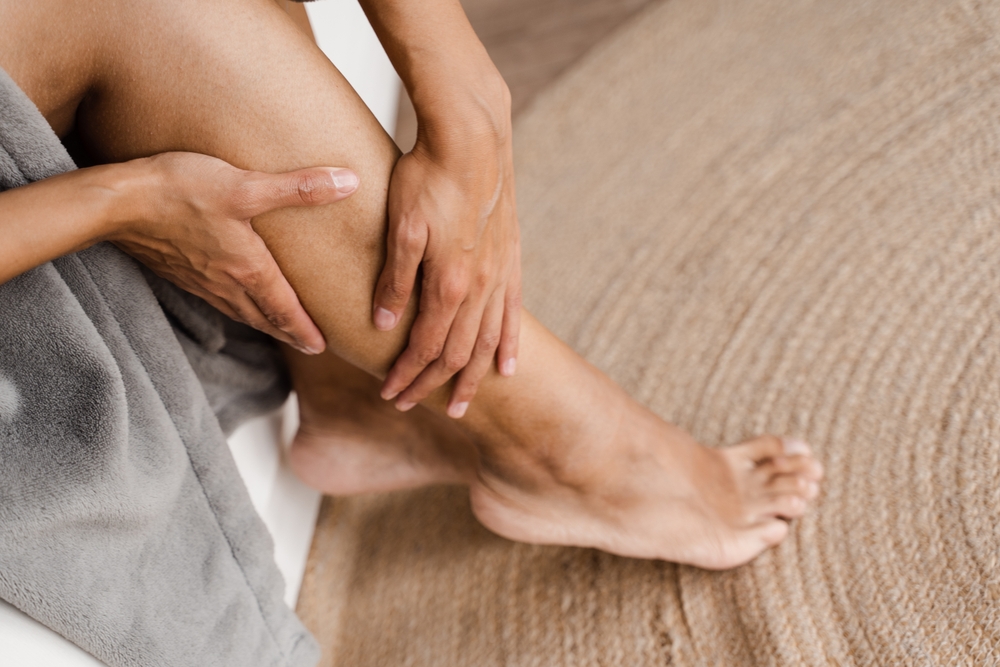
- Pain Character: The pain is often described as a dull ache, throb, or feeling of heaviness in the legs.
- When It Occurs: Symptoms are typically worse at the end of the day, after long periods of standing or sitting.
- What Brings Relief: Elevating the legs or wearing compression stockings usually improves the discomfort.
- Visual Signs:
- Swelling (edema) in the ankles and lower legs.
- Visible varicose veins or spider veins.
- Skin discoloration (reddish-brown patches) around the ankles.
- Itchy, dry, or leathery-looking skin (stasis dermatitis).
- In advanced cases, open sores (venous ulcers) may develop, usually on the inner ankle.
Symptoms of Peripheral Arterial Disease (PAD)
PAD is a “delivery” problem where the legs are not receiving enough oxygen-rich blood. This causes symptoms related to exertion.
- Pain Character: The classic symptom is claudication—a cramping, aching, or tired feeling in the muscles of the calf, thigh, or buttock.
- When It Occurs: The pain reliably comes on with physical activity, like walking, and subsides after a few minutes of rest. As PAD worsens, pain can occur even at rest.
- Visual Signs:
- Cool skin on the feet or legs.
- Poor toenail growth or hair loss on the legs.
- Skin that is pale, bluish, or shiny.
- In advanced cases, painful sores or ulcers (arterial ulcers) may appear on the toes, heels, or feet, often looking “punched out.”
A vascular specialist can perform tests to determine which condition is causing your symptoms.
Key Risk Factors: Are You at Risk?
The risk factors for CVI and PAD also differ, reflecting their distinct causes.
- Family history of varicose veins or CVI
- Female gender (due to hormonal influences)
- Pregnancy
- Obesity
- Prolonged standing or sitting
- History of deep vein thrombosis (DVT)
Common PAD Risk Factors:
- Smoking (the number one risk factor)
- Diabetes
- High blood pressure
- High cholesterol
- Age over 50
- A personal or family history of heart disease or stroke
Why an Accurate Diagnosis Matters
Misdiagnosing your condition can lead to ineffective or even harmful treatments. For example, compression stockings are a cornerstone of CVI treatment, but they can be dangerous for someone with severe PAD, as they can further restrict already poor arterial blood flow.
This is why self-diagnosing is not recommended. If you are experiencing persistent leg pain, swelling, or skin changes, it is vital to see a healthcare provider. A vascular specialist has the expertise to differentiate these conditions. For those in New York, a consultation with a vascular surgeon in Brooklyn can provide a definitive diagnosis through a physical exam and non-invasive tests like a duplex ultrasound.
A skilled vascular surgeon in Brooklyn can offer advanced treatments for both CVI and PAD, tailored to the specific cause of your leg pain.
When it comes to CVI vs. Arterial Disease, the key is to remember the source: CVI is a problem with blood getting out of the legs (veins), while PAD is a problem with blood getting in (arteries). CVI pain often feels like a heavy ache that improves with elevation, whereas PAD pain is typically a cramp that comes on with activity and stops with rest. Understanding the difference between CVI and Arterial Disease can help you have a more informed conversation with your doctor. Don’t ignore persistent leg symptoms—seek a professional evaluation to get on the right path to relief and protect your long-term vascular health. For any vascular problems, call us on + 1-718-367-2555. The Vascular Disease Specialists at Doral Health & Wellness consistently have outstanding patient satisfaction ratings. The professionals at Doral Health & Wellness Vascular Health Department Brooklyn can improve your health and quality of life because of their vast training and experience. New Yorkers can get the greatest medical and surgical vascular care at Doral Health & Wellness Brooklyn. If you need help, register your information and make direct contact with our doctors at https://yuz88hfiyh7.typeform.com/Doralintake or send an email to info@doralhw.org. Visit us at 1797 Pitkin Avenue, Brooklyn, NY 11212.