Diabetic retinopathy is a diabetes complication that damages blood vessels in the retina and often causes no early symptoms. A yearly dilated eye exam allows your eye doctor to spot changes before vision loss occurs. Catching diabetic retinopathy early means treatment works best, and your sight has the greatest chance of being protected.
Caring for a loved one with diabetes often means watching for the complications that announce themselves loudly: high blood sugar, fatigue, slow-healing wounds. Diabetic retinopathy rarely does. It can quietly damage the eyes for years before your loved one notices any change in vision. By the time symptoms appear, the condition may already be advanced. That is exactly why a yearly dilated eye exam matters so much, and why building it into your family’s routine care is one of the most protective steps you can take.
What Is Diabetic Retinopathy?
Diabetic retinopathy is damage to the blood vessels in the retina, the light-sensitive tissue at the back of the eye, caused by prolonged high blood sugar. It is identified as a leading cause of vision loss among working-age adults. In its early stages, diabetic retinopathy typically has no symptoms at all. As it progresses, your loved one may notice blurry vision, dark spots, floaters, or areas of vision that seem to disappear. Left untreated, it can lead to permanent vision loss.
Why a Yearly Dilated Eye Exam Matters for Diabetic Retinopathy
Because diabetic retinopathy develops silently, waiting for symptoms means waiting too long. It is recommended that adults with diabetes get a dilated eye exam at least once a year, and an initial comprehensive exam at diagnosis for type 2 diabetes, or within five years of diagnosis for type 1. Annual exams become especially important once any retinopathy is present or blood sugar is not well controlled.
What Happens During a Dilated Eye Exam?
A dilated eye exam is straightforward and typically takes less than an hour. Here is what your loved one can expect:
- Dilating drops: Eye drops widen the pupil so the doctor can see the retina clearly. They may sting briefly.
- Retinal examination: The eye doctor examines the retina and optic nerve for signs of damage.
- Imaging, if needed: Some visits include optical coherence tomography (OCT), a painless imaging test that provides a detailed view of the retina.
- Temporary blurriness: Vision stays light-sensitive and blurry for a few hours afterward, so plan for sunglasses and a ride home.
Who Should Get a Yearly Dilated Eye Exam?
Anyone living with diabetes should be screened regularly, but some situations call for closer attention:
- Newly diagnosed adults with type 2 diabetes, who need an exam right away.
- Adults with type 1 diabetes, who should be screened within five years of diagnosis.
- Anyone with existing retinopathy or blood sugar that is not at goal, who typically needs annual exams.
- Pregnant individuals with pre-existing diabetes, who need an exam before pregnancy or in the first trimester, with close follow-up.
How to Protect Your Sight: Prevention and Early Detection
You and your loved one are not powerless here. Alongside annual dilated eye exams:
- Manage blood sugar, blood pressure, and cholesterol consistently, in partnership with your care team.
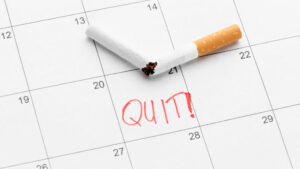
- Avoid smoking, which worsens blood vessel damage throughout the body, including the eyes.
- Take medications as prescribed, even when things feel stable.
- Report sudden vision changes immediately; new floaters, dark spots, or sudden vision loss should never wait for the next scheduled visit.
Combined with services from the best health and wellness clinic in Brooklyn, NY, these habits give your family a clear, manageable plan rather than a list of worries.
You Do Not Have to Navigate This Alone
Protecting your loved one’s sight starts with a conversation and a scheduled visit. Our healthcare team is here to help you understand your symptoms and connect you with the right care. Reach out today by calling +1-718-367-2555 or visiting us at 1797 Pitkin Avenue, Brooklyn, NY 11212, to schedule an evaluation and take a meaningful step toward protecting your sight.