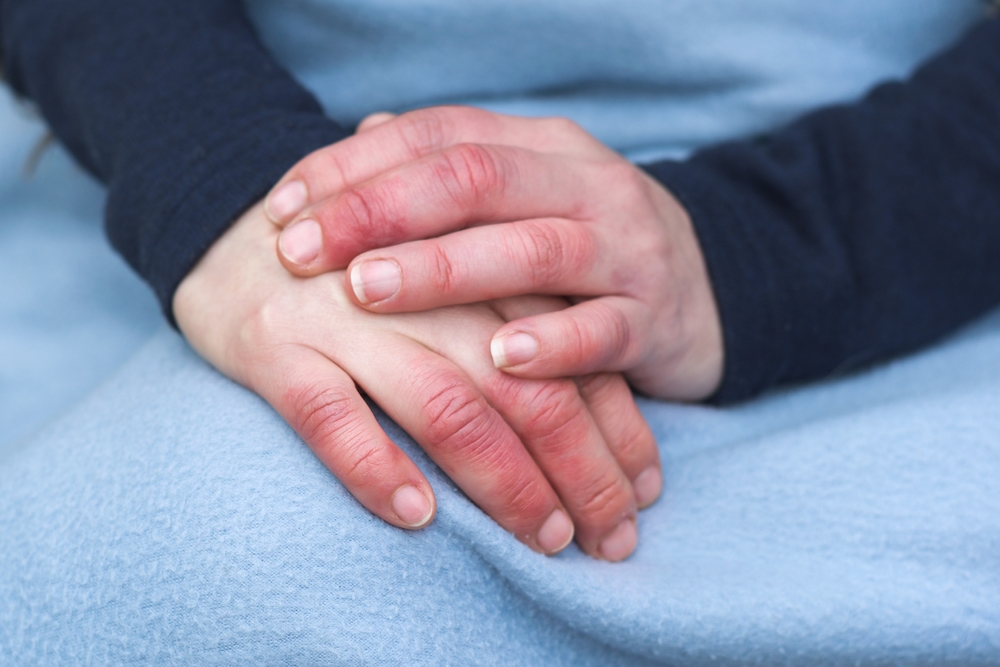
Do your fingers or toes turn pale, numb, or blue when exposed to cold temperatures or sudden stress? This dramatic color change might be more than just a simple reaction to chilly weather. You could be experiencing the classic signs of Raynaud’s phenomenon, a condition that temporarily restricts blood flow to your extremities.
If you plan to see a doctor about these uncomfortable symptoms, you probably want to know exactly what to expect during Raynaud’s diagnosis. Understanding the evaluation process takes the anxiety out of your medical visit and helps you prepare effectively. By partnering with a qualified medical professional, you can uncover the root cause of your symptoms and find lasting relief.
We will walk you through the essential steps of a standard diagnostic evaluation, from your first physical exam to specialized clinical tests. Get a consultation with the best vascular disease specialists in Brooklyn.
Your Guide to What to Expect During Raynaud’s Diagnosis
The main goal of the diagnostic process is to determine whether you have primary or secondary Raynaud’s. Primary Raynaud’s occurs on its own, while secondary Raynaud’s is linked to an underlying medical condition, like lupus or scleroderma.
The Medical History and Physical Exam
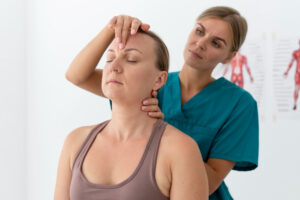
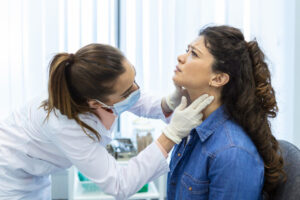
Your evaluation begins with a detailed conversation. A vascular health specialist will ask specific questions about when your symptoms trigger, how long they last, and what your fingers look like during an episode. They will also review your current medications, as certain drugs can actively constrict your blood vessels.
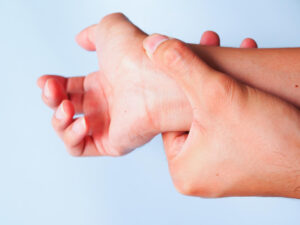
During the physical exam, the doctor will closely inspect your fingers and toes to check for any skin changes, sores, or signs of tissue damage.
The Nailfold Capillaroscopy Test
To differentiate between primary and secondary Raynaud’s, your doctor will likely perform a simple, painless procedure called a nailfold capillaroscopy.
- The doctor places a small drop of oil at the base of your fingernail.
- They examine the area under a microscope.
- They look for enlarged or deformed capillary blood vessels.
If your capillaries look normal, you likely have primary Raynaud’s. If the tiny blood vessels appear distorted, it strongly suggests a secondary underlying issue.
Advanced Testing for Underlying Causes
If your doctor suspects secondary Raynaud’s, they will order additional tests to investigate your overall health. Accessing reliable diagnostic tools is crucial for an accurate assessment. If you live in New York, visiting a dedicated vascular health clinic in Brooklyn ensures you receive all necessary testing under one roof.
Targeted Blood Tests
A vascular health specialist frequently uses blood tests to identify hidden autoimmune disorders.
- Antinuclear Antibodies (ANA) Test: A positive result indicates an overactive immune system, which is common in connective tissue diseases.
- Erythrocyte Sedimentation Rate (ESR): This test measures inflammation in your body, providing clues about underlying conditions.
The Cold Stimulation Test
Some doctors use a cold stimulation test to trigger your symptoms in a controlled environment. A medical professional will record the baseline temperature of your fingers. Next, you will place your hands in ice water for a brief period. The doctor will then time exactly how long it takes for your fingers to return to their normal temperature.
Choosing a comprehensive vascular health clinic in Brooklyn guarantees that your care team can accurately interpret these complex results and build a personalized care plan for your unique needs.
Take Control of Your Circulatory Health
You do not have to live with painful, numb fingers every time the temperature drops. A proper medical evaluation gives you the precise answers you need to start an effective treatment plan. Whether you need simple lifestyle adjustments or targeted medications, professional guidance makes managing this condition much easier.
Do not ignore the warning signs of poor circulation. Reach out to our vascular department today to schedule a comprehensive evaluation or call us at +1-718-367-2555. The Vascular Disease Specialists at Doral Health & Wellness consistently have outstanding patient satisfaction ratings. The professionals at Doral Health & Wellness Vascular Health Department in Brooklyn can improve your health and quality of life because of their vast training and experience. New Yorkers can get the greatest medical and surgical vascular care at Doral Health & Wellness Brooklyn. If you need help, register your information and make direct contact with our doctors at https://yuz88hfiyh7.typeform.com/Doralintake or send an email to info@doralhw.org. Visit us at 1797 Pitkin Avenue, Brooklyn, NY 11212.