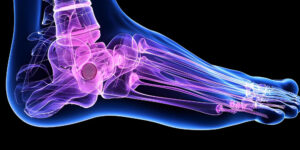
Your feet ache after a long day, and you notice the inner arch looks almost gone when you stand. It is a worry many people carry quietly. Flat feet, along with flat feet and arch support issues, are among the most common foot deformities affecting people of all ages.
The good news is that flat feet are often harmless. But sometimes they signal a problem worth checking. Knowing the difference brings peace of mind.
This guide walks you through the signs to watch for, what causes them, and when to reach out for help. By the end, you will feel more confident about your next step, whether that means simple stretches at home or a visit to a specialist.
What Are Flat Feet?
Flat feet mean your feet press flat against the ground with little to no visible arch when you stand. Doctors sometimes call this pes planus.
Most babies are born with flat feet. Arches usually form between ages 3 and 10, though some people never develop them. Arches act like springs and shock absorbers, helping you walk and balance.
If you want to understand related issues you may notice alongside flat feet, our overview of common foot conditions can help you connect the dots.
Types of Flat Feet
Not all flat feet are the same. Knowing your type helps you understand your risk.
- Flexible flat feet: The arch appears when you sit but disappears when you stand. This is the most common type.
- Rigid flat feet: The arch is gone whether sitting or standing. This type is rare and may need closer attention.
- Acquired flat feet: Also called fallen arches, this develops in adulthood after your arches formed normally.
Signs and Symptoms to Watch For
Many people with flat feet feel nothing at all. Others notice discomfort that spreads beyond the feet.
Flat feet and arch support issues can shift stress to other parts of your body. Over time, that strain adds up.
Common symptoms include:
- Foot pain after activity, especially around the arch or heel.
- Ankle pain or rolling inward when you walk or stand.
- Aching in the knees, hips, or lower back from the extra strain.
- Shoes wear out quickly, often unevenly on the inner edge.
If any of these sound familiar, you do not have to guess your way through it. A foot doctor can examine how you stand and walk to find the real cause.
When to Worry About Foot Deformities
Some foot deformities fade on their own. Others quietly get worse. Knowing when to act protects your long-term health.
Seek care when your feet feel painful, stiff, weak, or numb. Pay close attention if you did not have flat feet before, or if only one foot is affected.
Reach out to a specialist if you notice:
- New or worsening pain that does not ease with rest.
- Trouble with walking or balance.
- Numbness or slow-healing wounds, especially with diabetes.
Early care often prevents bigger problems later. You do not have to wait until every step hurts.
Take the Next Step Toward Relief
You deserve to move through your day without foot pain holding you back. Whether you need a simple checkup or ongoing support for arch problems, help is within reach.
Our compassionate podiatry care team offers expert, personalized treatment for flat feet and related concerns. We make it easy to get answers and start feeling steady on your feet again.
Reach out today by calling +1 718 367 2555 or visit us at 1797 Pitkin Avenue, New York, NY 11212 to book your podiatry appointment. Relief is closer than you think.