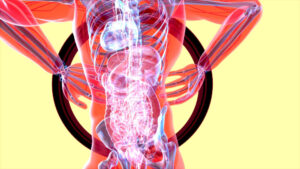
Worrying that something is wrong with your kidneys can be unsettling. You may feel more tired than usual, notice changes in your urine, or simply sense that your body is not quite right. Those concerns are valid, and you are not alone in having them. The good news is that spotting the early signs of kidney disease gives you real power to act before problems grow. Your kidneys filter waste, balance minerals, and help regulate your blood pressure, so protecting them matters deeply for your kidney health. Chronic kidney disease often develops slowly, and its symptoms can be easy to overlook. Learning the common CKD signs and symptoms of kidney disease can help you seek care early, when treatment works best. This guide walks you through what to watch for.
Taking that first step is easier with a caring team beside you. Doral Health & Wellness Nephrology in Brooklyn offers comprehensive, compassionate care in a modern medical facility. Our experienced specialists help you understand and manage your health with clear guidance and steady support. Reach out today, and let us help you protect your kidneys and your peace of mind.
Why Early Detection Matters
Kidney disease is often called a silent condition. In its early stages, many people notice no symptoms at all. That quiet start is exactly why awareness is so important.
Here is why it counts. About 35.5 million U.S. adults are estimated to have kidney disease, yet about 9 in 10 do not know they have it. As the condition advances, waste and extra fluid build-up in your body, causing noticeable changes.
The takeaway is simple: paying attention to your body is your first line of defense. Two easy tests, a blood test and a urine test, can detect kidney disease early, so damage can be slowed or stopped.
Recognizing the Early Signs of Kidney Disease
The earliest signs can be subtle and easy to dismiss. You might chalk them up to stress, aging, or a busy schedule. But knowing these signals helps you catch trouble sooner rather than later.
Changes in Urination
Because your kidneys make urine, any real change can be an early warning. Watch for these signs:
- Needing to urinate more, especially at night – Known as nocturia, this can be an early clue that your kidneys are struggling.
- Foamy or bubbly urine – Excess protein leaking into your urine, a common sign of kidney damage, can cause this.
- Bloody or dark-colored urine – Healthy kidneys keep blood cells from passing into your urine.
- Pain or difficulty when urinating – This may point to a urinary tract infection, which can spread to the kidneys if left untreated.
Any of these changes deserves a closer look. They are easy to notice once you know to watch for them.
Persistent Fatigue and Weakness
Feeling drained even after rest is a signal worth heeding. Healthy kidneys make a hormone called erythropoietin, which helps your body produce red blood cells. When kidney function drops, this hormone falls too, leading to anemia.
Anemia can leave you feeling tired, weak, and cold when others are comfortable. You may also find it hard to concentrate. If exhaustion lingers without a clear reason, your kidneys may be part of the story.
Swelling in Your Hands, Legs, or Ankles
When kidneys cannot remove extra fluid, that fluid stays in your body. This buildup, called edema, often shows up as swelling in your legs, ankles, feet, hands, or face. Puffy eyes, especially in the morning, can be another early sign.
Swelling like this is your body asking for attention. Do not brush it off.
Other Important CKD Signs to Monitor
Beyond urination changes, fatigue, and swelling, other symptoms can point to developing kidney disease. If you are noticing several of these together, it is time to talk with a medical professional.
Dry, Itchy Skin
Your kidneys do more than filter waste. They also keep the right balance of minerals in your blood. When that balance is disrupted, it can lead to mineral and bone disease, which often shows up as severe, persistent itching.
Loss of Appetite and Nausea
A buildup of toxins in your blood, called uremia, can affect how you feel about food. You may lose your appetite, feel nauseated, or notice a metallic taste. Unexplained weight loss can follow these symptoms.
Muscle Cramps
Poor kidney function can throw off your electrolytes, causing low calcium or high phosphorus levels. These imbalances often lead to painful, disruptive muscle cramps, particularly in the legs.
Each of these signs is easy to explain away on its own. Together, they tell a story worth sharing with your doctor.
When to See a Kidney Specialist
Noticing these symptoms can stir up worry about what comes next. You may wonder who to call or what testing involves. Breaking it into clear steps makes the path forward far less daunting.
If you spot any symptoms of kidney disease, do not ignore them. Start with your primary care provider, who can run simple blood and urine tests to check your kidney function. These tests measure your eGFR and look for protein in your urine.
Certain groups face a higher risk and should be especially watchful. About 1 in 3 adults with diabetes and 1 in 5 with high blood pressure may have kidney disease. If that describes you, regular checks matter even more.
Finding the Right Kidney Specialist in Brooklyn
Managing chronic kidney disease takes specialized expertise. The right team confirms your diagnosis and builds a plan that fits your life. Local, caring support keeps that help within reach.
When you search for a nephrologist near me or a dialysis clinic near me, look for a provider who listens and explains your options plainly. A trusted Brooklyn nephrologist can perform a definitive assessment and create a personalized plan to slow the disease and manage symptoms. Partnering with a skilled kidney specialist in NY at a caring kidney care clinic NY patients rely on ensures you receive complete care tailored to your needs. Early intervention can improve your quality of life and help prevent serious complications.
Protecting Your Kidney Health
Kidney disease is serious, but catching it early puts you in a stronger position. You now know the common warning signs, from changes in urination and fatigue to swelling and itchy skin. Any of these should prompt a conversation with a healthcare provider. With early diagnosis and steady care, you can slow the progression of CKD and maintain a better quality of life.
You do not have to face this alone. To get expert, compassionate care that puts your well-being first, contact Doral Health & Wellness today at 1-718-365-2555 or visit us at 1797 Pitkin Avenue, Brooklyn, New York 11212. Our dedicated team is ready to assess your kidney function, personalize your treatment, and support you at every step.
For general information about Doral Health & Wellness services, you can contact or email info@doralhw.org.