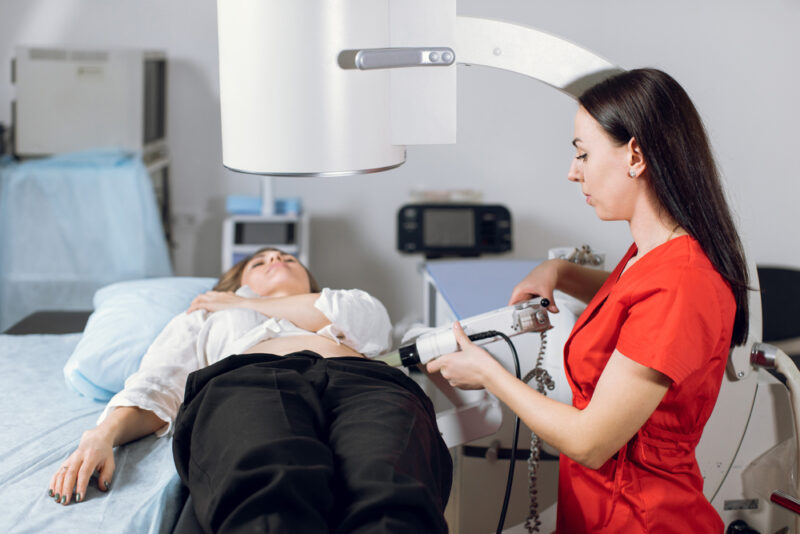
Do you have kidney stones that need ER attention? Kidney stones cause pain and discomfort whenever you urinate. However, certain cases need ER care because it can cause severe complications. Learn about kidney stone formation, symptoms for ER visits, diagnosis, and treatment options in this article. You can contact us by visiting our clinic or visiting our website at https://www.urologistbrooklyn.com.
What Are Kidney Stones and Why Do They Form?
These stones occur when there’s a chemical imbalance, like too much calcium or too much uric acid in your urine, creating hard deposits of minerals and salts in the kidneys. Over time, these stones grow in size. If they don’t resolve or pass through the urine, they can become noticeably big in size which needs medical intervention for removal.
These stones can get stuck anywhere in your urinary system from the kidneys to the ureter, (the tube between the kidney and the bladder that carries urine), it can be stuck in the ureter and block urine from flowing from that kidney to the bladder which can cause pain and other symptoms, that need emergency medical attention.
There are 4 types of kidney stones, and all have different causes:
- Calcium stones (the most common type of stones): This occurs due to too much calcium in the urine over time.
- Uric acid: This is caused by a buildup of uric acid in the urine.
- Struvite: This is caused by chronic urinary tract infections or a kidney infection.
- Cystine (very rarely caused in people, less than 1%): This is caused by an excess of the amino acid cystine in the urine, usually resulting from a genetic disorder.
Many risk factors increase the risk of developing kidney stones:
- Dehydration or not consuming enough water: low urine volume or dehydration can lead to kidney stone development.
- Obesity: Being overweight or obese can increase acid levels in the urine, leading to stone formation.
- Diabetes: High blood sugar can increase the uric acid buildup and formation of stones.
- High blood pressure
- Poor diet
- Consuming too much sodium can cause an increase in urine calcium
- Bowel conditions such as ulcerative colitis, Crohn’s disease, and diarrhea.
- Having previous kidney stones or having a family history of kidney stones.
People who live in warmer climates are more likely to develop kidney stones because they are at considerable risk of dehydration and concentrated urine. Elevated levels of calcium in urine are not caused by dietary calcium and patients shouldn’t avoid calcium-rich foods for fear that they may develop kidney stones.
When Is It Time For an ER Visit?
Besides symptoms like painful urination, pain in the back, fever, nausea, and vomiting, if you notice any of these symptoms you should seek emergency medical help:
- Fever higher than 101.5 degrees Fahrenheit.
- Burning during urination.
- Cloudy or foul-smelling urine.
- Persistent nausea and vomiting.
- Intolerable pain.
- Certain medical conditions that make passing a stone more dangerous like having only one kidney, diabetes, or decreased kidney function.
While these conditions may not point to a kidney stone emergency, however, an immediate evaluation is recommended to check whether a kidney stone needs an emergency room trip especially, if a patient experiences intense, uncontrollable pain.
Diagnosis
If you get to the ER, a healthcare professional will evaluate your symptoms and medical history. According to the kidney stone ER protocol, this will include a physical exam, blood work, and imaging tests like an X-ray or a CT scan of your abdomen and pelvis. Once confirmed, the doctor may prescribe medications to alleviate your pain and symptoms as the stone passes. In some cases, if the kidney stone grows too large, surgery may be required.
Treatment For Kidney Stone
Kidney stone treatment depends on the severity and size of the stone. Treatment options focus on allowing the ability to pass by itself, using medications to let the stone pass, or using surgery to remove the larger stone.
If a kidney stone is small, treatment can include:
- Drinking plenty of water to help flush the stone(s).
- Over-the-counter medications, such as acetaminophen or ibuprofen reduce pain.
- For severe discomfort, doctors prescribe pain medications for relief.
- If the stone isn’t passing, you may need other prescribed medication that helps you pass the stone easily.
For larger kidney stones, surgical procedures are required to break up the stones to help them pass or remove them. These stones cause intolerable pain or obstruct normal kidney function. Your doctor may also prescribe medications to ease the process and treat any infections that may be present.
Kidney stones occur in different shapes and forms. However, not all kidney stones need an ER visit, only some people may need this type of care. If you experience symptoms like high fever, uncontrollable pain, persistent nausea, vomiting, etc. then you should seek the ER and get an early diagnosis and treatment to manage your symptoms.
If you need help with kidney stone pain or discomfort, visit our urology clinic in Brooklyn to get professional medical treatment. You can schedule an appointment with Doral Health and Wellness Urology Center’s best urologist in Brooklyn and inquire about your concerns. Our specialists will work with you in managing your condition. To schedule an appointment, please visit us at 1797 Pitkin Avenue, Brooklyn, New York 11212 or call 1-347-384-5690. You can also visit our website at https://www.urologistbrooklyn.com/.