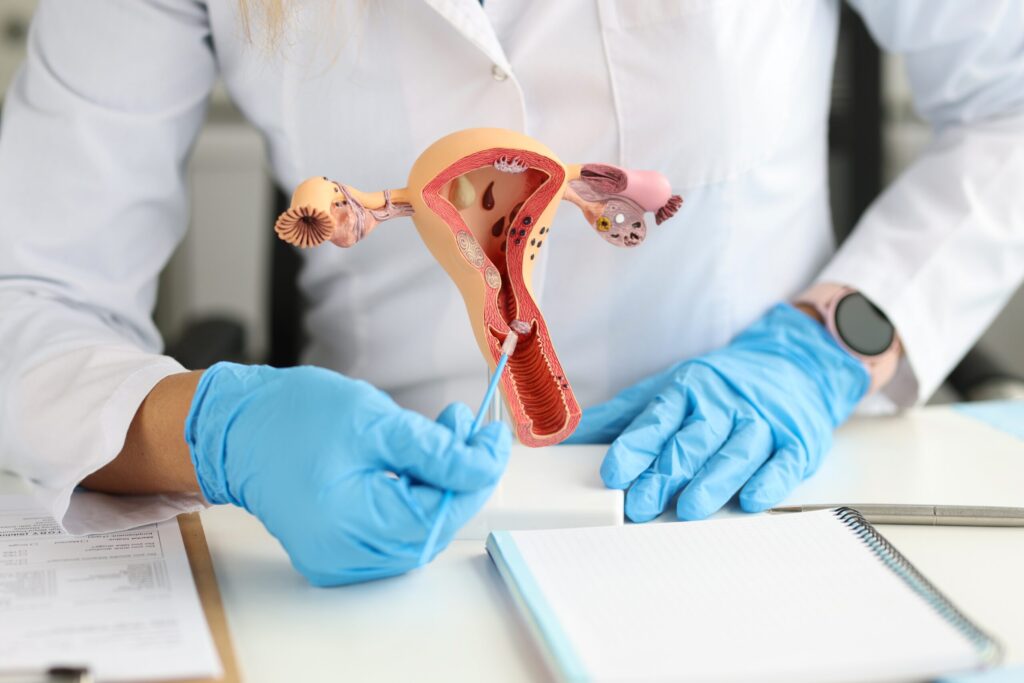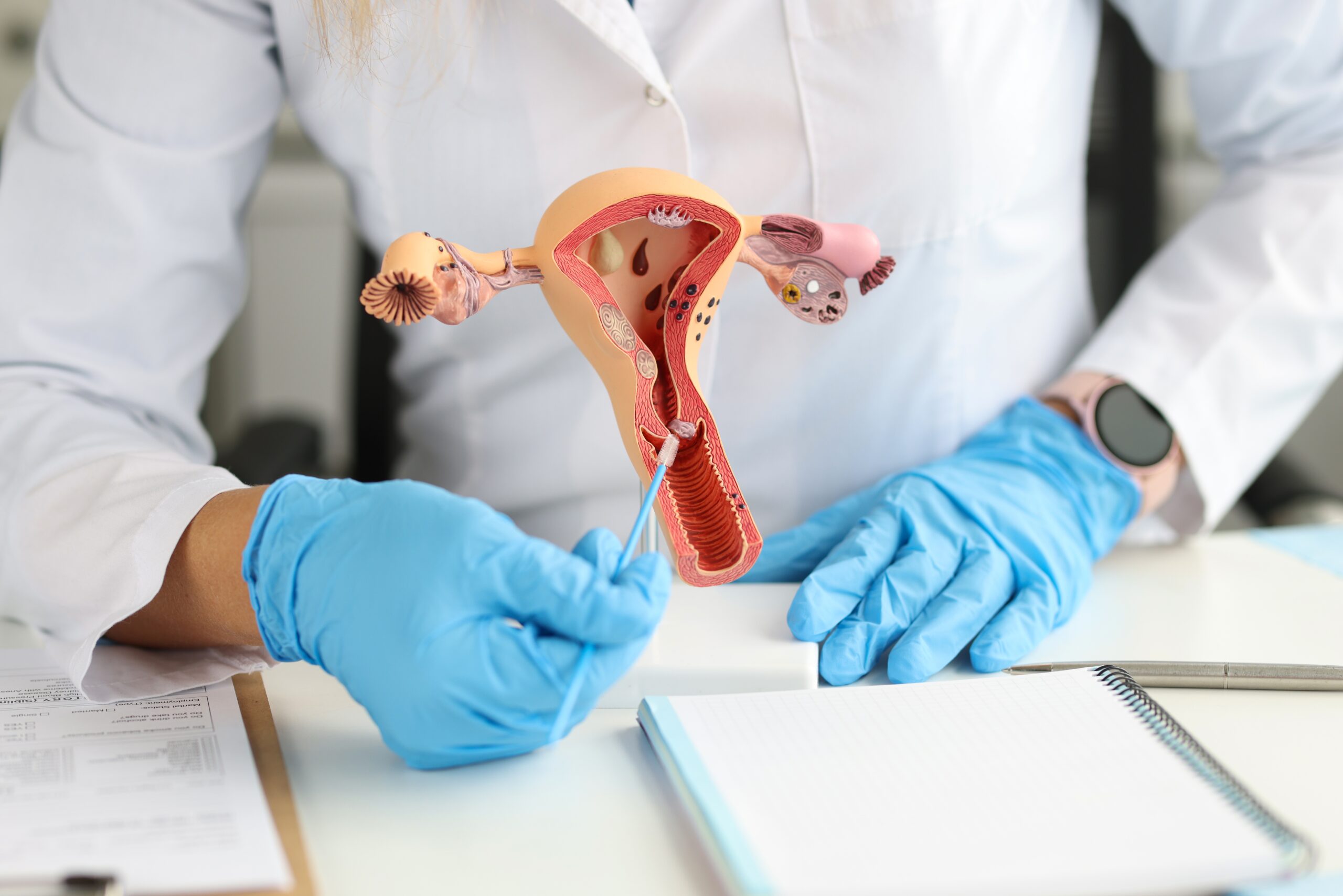
Endometrial cancer is a type of uterine cancer that starts and grows in the lining of the uterus called the endometrium. This is one of the most common types of cancer in women, that affects the reproductive organs.
The uterus is a hollow, pear-shaped pelvic organ where the baby develops and grows. The uterus has 2 main parts: (1) the upper part which is called the body or the corpus and (2) the lower end called the cervix. When doctors talk about cancer of the uterus, they usually refer to cancers that start in the uterus and not in the cervix. Cervical cancer is a different kind of cancer.
The body of the uterus has 2 main layers:
- Myometrium – this is the outer layer of the uterus; this thick layer of muscles is needed to push the baby out during delivery.
- Endometrium – the inner part of the uterus. During the menstrual cycle, the hormones cause the endometrium to change. Estrogen causes the endometrium to thicken to nourish the embryo during conception. If there is no pregnancy, estrogen is produced in smaller amounts, and more progesterone is made. This then causes the endometrial lining to shed and cause menstrual flow.
Schedule an appointment with the best GYN in East New York at Doral Health and Wellness – Women’s Health Center.
Types of Endometrial Cancer
- Endometroid cancer – this is the most common type of endometrial cancer
- Uterine papillary serous carcinoma – this is a rare form of endometrial and uterine cancer that starts in the lining of the uterus
- Uterine clear cell carcinoma – this is an even rarer form of endometrial cancer
- Uterine carcinosarcoma – this is also a rare form of endometrial cancer, but this type tends to be more of the aggressive type
Symptoms of Endometrial Cancer
One of the most common symptoms of endometrial cancers is vaginal bleeding.
For premenopausal women, symptoms can include:
- Length and heaviness of menstrual period
- Bleeding and spotting in between menstrual periods
For postmenopausal women, any kind of bleeding is abnormal and is already considered a symptom.
For advanced stages, symptoms can include:
- Pelvic pain
- Bloating
- Feeling full after a small snack or meal
- Changes in bowel and bladder habits
If you experience any of these symptoms, have them checked with your doctor immediately. Although these may not be a sign of serious problems, it is important that you still have them checked out. Your doctor can help you identify the cause of your symptoms and recommend courses of treatment if needed.
Causes of Endometrial Cancer
The exact cause of endometrial cancer remains unclear. However, doctors believe that a combination of hormonal imbalance and genetic factors significantly contributes to its development. Specifically, fluctuations in the levels of estrogen and progesterone — the two main female hormones — can affect the health of the endometrial lining. When estrogen is not properly balanced by progesterone, it can overstimulate the endometrial tissue, leading to abnormal cell growth.
Additionally, genetic mutations in the DNA of endometrial cells can cause healthy cells to become abnormal. While normal cells grow and divide at a controlled rate and eventually die, cancerous cells grow uncontrollably, do not die when they should, and can form a tumor. These cancer cells can also invade nearby tissues or spread (metastasize) to other parts of the body.
Certain conditions, such as obesity, diabetes, polycystic ovary syndrome (PCOS), and taking estrogen-only hormone therapy (especially after menopause), are associated with an increased risk of these hormonal imbalances and may contribute to the development of endometrial cancer.
Other risk factors include a family history of uterine or colon cancer, early menstruation or late menopause, never having been pregnant, and age — with most cases occurring in women over 50.
Risk Factors
These are some of the factors that increase the risk of developing endometrial cancer:
- Hormonal changes – the ovaries make two kinds of female hormones, estrogen and progesterone. Changes in the balance of these two hormones can also cause changes in the endometrium.
- Years of menstruation – when your menstruation started early, it means that your endometrium has had longer exposure to estrogen which increases the risk of endometrial cancer
- Obesity – being obese means excess body fats alter the body’s hormonal balance, which also increases the risk of endometrial cancer
- Never been pregnant – never being pregnant can increase the risk of endometrial cancer
- Old age – as a woman gets older, the risk of endometrial cancer increases as endometrial cancer often occurs after the menopausal stage
- Hormone therapy for breast cancer – taking hormone therapy for breast cancer can increase the risk of endometrial cancer
Prevention
Reducing Your Risk of Endometrial Cancer
While there is no guaranteed way to prevent endometrial cancer, certain lifestyle choices and medical strategies can significantly lower your risk. Being proactive about your reproductive health is key. Here are some effective steps you can take:
Consult Your Doctor About Hormone Therapy
If you’re considering hormone replacement therapy (HRT) after menopause, speak with your doctor about the safest options. Estrogen-only therapy increases the risk of endometrial cancer if you still have your uterus, so a combination of estrogen and progesterone may be recommended to help reduce that risk.Consider Oral Contraceptives
Long-term use of birth control pills has been shown to reduce the risk of endometrial cancer. These medications help regulate hormone levels and can offer protective benefits even years after you stop taking them.Maintain a Healthy Weight
Obesity is one of the leading risk factors for endometrial cancer. Excess fat tissue can lead to higher levels of estrogen, which in turn may stimulate abnormal growth of the endometrial lining. Staying active and eating a balanced diet can significantly lower your risk.Manage Underlying Conditions
Conditions like diabetes and polycystic ovary syndrome (PCOS) are also associated with hormonal imbalances that increase cancer risk. Proper management with your healthcare provider can help keep your hormone levels in check.Monitor Menstrual Irregularities
Report any abnormal uterine bleeding, especially after menopause, to your gynecologist. Early detection of unusual symptoms plays a crucial role in successful treatment outcomes.
Treatments Options for Endometrial Cancer
- Surgery – treatment for endometrial cancer usually involves surgery, called hysterectomy, to remove the uterus as well as the fallopian tubes and ovaries
- Radiation therapy – radiation therapy uses energy beams to kill the cancer cells in your body. If you are not healthy enough to undergo surgery, your doctor may recommend radiation therapy as an option.
- Chemotherapy – this uses chemicals, in the form of drugs, to kill the body’s cancer cells. Chemotherapy is also recommended after surgery, especially if there is an increased risk of the cancer cells returning.
- Hormone therapy – this medication is used to lower the hormone levels in the body
- Immunotherapy – this treatment helps the immune system in fighting cancer
If you have symptoms of endometrial cancer or have a family member that has had endometrial cancer, consult your doctor immediately. After receiving a diagnosis, you may have questions, fears, and concerns. This is entirely normal and eventually, you’ll find a way to cope with the diagnosis. Until then, try to gather as much information as you can so you can make decisions about the care you want and what fits your condition best.
At Doral Health and Wellness – Women’s Health Center, we provide women with quality healthcare services. Our specialists aim to deliver the highest quality of healthcare. The best GYN doctors in East New York with our patients in diagnosing and formulating treatment plans for their conditions. To book an appointment, you can visit us at 1797 Pitkin Avenue, Brooklyn, NY, or call us at 1-347-384-5690. You can also visit our website at Women’s Health – Doral Health & Wellness Brooklyn NY