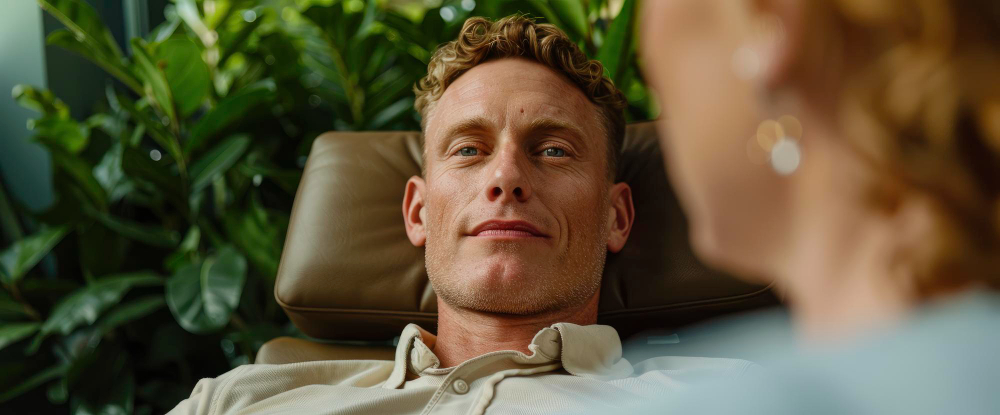
Fear can take over daily life. Maybe your loved one avoids driving, refuses to fly, or freezes at the sight of a needle. These fears feel bigger than they should, and they can shrink the world around them.
There is a proven way forward. Exposure therapy helps people face their fears in small, safe steps until those fears lose their grip. It is one of the most effective treatments for phobias, panic, and anxiety, backed by decades of research.
You do not have to figure this out alone. With the right guidance, exposure therapy becomes a manageable path rather than a frightening leap. This guide walks you through how it works, what the rules are, and how to begin safely.
What Exposure Therapy Is and Why It Works
Avoidance feels like relief in the moment. But every time your loved one avoids a feared situation, the fear grows a little stronger.
Exposure therapy breaks that cycle. It gently introduces the feared object or situation in a controlled way, so the brain learns that the danger is not real. Over time, the anxiety fades on its own.
Research shows this approach helps up to 90% of people with specific phobias when done correctly. For families navigating recovery at home, our home health care services can support treatment plans that reduce stress and keep progress on track.
The Core Rules of Safe Exposure
Safe exposure follows a clear structure. These rules protect your loved one from feeling overwhelmed while still making steady progress.
- Start small. Begin with a mild version of the fear, not the most terrifying one. A fear of dogs might start with photos before a real puppy.
- Go gradually. Move up the “fear ladder” one step at a time, only when the previous step feels manageable.
- Stay with it. Leaving too soon teaches the brain that escape is the answer. Remaining until anxiety drops builds real confidence.
- Repeat often. Regular practice locks in the learning and prevents old fears from returning.
A Behavioral Health Specialist designs this ladder around your loved one’s specific needs, pacing each step so it never feels unsafe.
Building a Fear Ladder
A fear ladder ranks feared situations from easiest to hardest. Your loved one rates each one, then works upward at a comfortable pace.
This structure keeps things predictable. When people know what comes next, the process feels far less frightening.
When to Seek Professional Help
Some fears are mild and fade on their own. Others interfere with work, sleep, relationships, or basic tasks. That is when professional care matters.
A trained Behavioral Health Specialist can tell the difference between everyday nerves and a phobia that needs treatment. If you are searching for a mental health clinic Brooklyn families trust, look for licensed providers who specialize in anxiety and exposure-based care.
What to Expect at Your First Visit
The first appointment is about understanding, not diving into fears. Expect a calm conversation about symptoms, history, and goals.
From there, your care team builds a personalized plan. At a mental health clinic Brooklyn residents rely on, that plan adapts as your loved one grows more confident.
Take the First Step Toward Relief
Living with a phobia is exhausting. But recovery is possible, and it starts with one small, supported step.
Exposure therapy works best with expert, compassionate guidance. If you or someone you love is ready to face fear safely, reach out to our behavioral health team today by calling +1-718-367-2555 or visiting 1797 Pitkin Avenue, Brooklyn, NY 11212 to schedule a consultation and begin a personalized care plan.