Expression therapy tools use art and motion to help people process emotions that are difficult to put into words. These tools, including painting, drawing, dance, and mindful movement, support recovery from anxiety, depression, trauma, and other mental health challenges. A behavioral health specialist can help you or your loved one find the right combination of tools for lasting progress.
Finding the right words for pain is not always possible. Some emotions live deeper than language can reach, and trying to force them into sentences can feel exhausting or even impossible. If you or someone you love has struggled to explain what they are feeling inside, you are not alone in this.
This is where expression therapy tools come in. Using art and motion to recover from mental health problems gives people a way to process what words cannot capture. Whether through a paintbrush, a journal, or simple movement, these tools open a path toward healing that talk therapy alone sometimes cannot reach.
This guide explains what expression therapy tools are, how art and motion support recovery, and how a behavioral health specialist can guide you toward the right care.
What Are Expression Therapy Tools?
Expression therapy tools are creative and physical practices used to help people communicate and process emotions nonverbally. They include activities like painting, sculpting, music, dance, and other guided movement exercises.
These tools are often used alongside traditional talk therapy. They give the brain and body a different outlet for processing stress, trauma, or overwhelming feelings. For many people, this approach feels less intimidating than sitting across from a therapist and searching for the right words.
A behavioral health specialist typically introduces these tools within a broader treatment plan, tailoring the approach to each person’s needs and comfort level.
Using Art and Motion to Recover from Mental Health Problems
Art and motion work together to support the mind and body during recovery. Each offers a different way to release tension, express emotion, and rebuild a sense of control.
Art-Based Expression Tools
Art-based tools give people a visual and tactile way to explore their inner world. Common examples include:
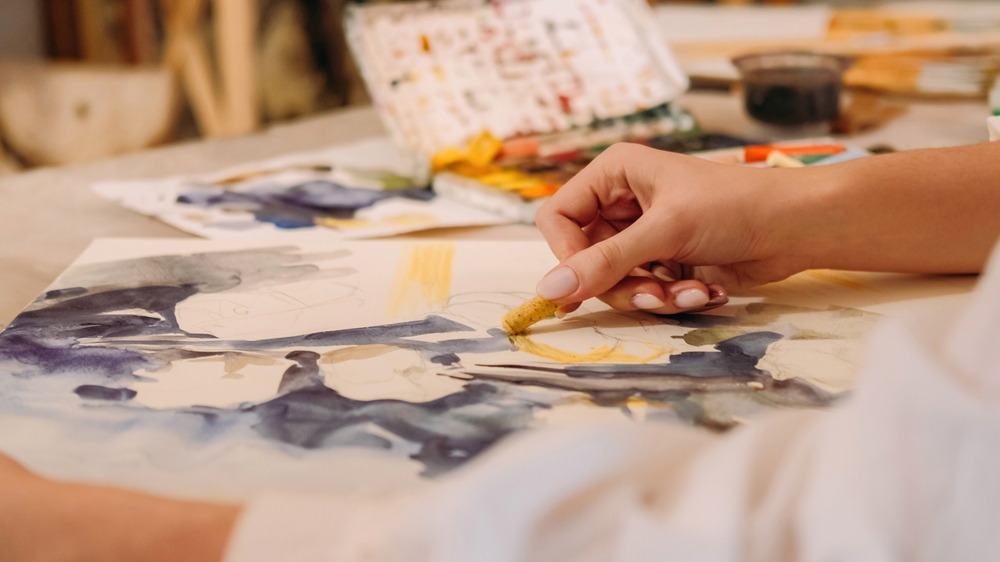
- Painting and drawing: Creating images that reflect emotions too complex for words.
- Journaling with visuals: Combining writing with sketches or collage to process daily experiences.
- Sculpting or clay work: Using hands-on creation to release physical tension tied to stress.
These practices do not require artistic skill. The goal is expression, not perfection.
Movement and Motion-Based Tools
Motion-based tools focus on reconnecting the body and mind. They are especially helpful for people whose trauma or anxiety lives in physical tension. Examples include:
- Dance or movement therapy: Using rhythm and motion to release stored emotion.
- Mindful walking: Pairing slow, intentional movement with breathing to reduce anxiety.
- Somatic exercises: Gentle stretching or grounding techniques that calm the nervous system.
Both art- and motion-based tools can be adjusted to fit a person’s comfort level, pace, and cultural background.
How a Behavioral Health Specialist Can Help
Recovery rarely follows one straight path. A behavioral health specialist can assess your specific needs and recommend which expressive therapy tools may help most, whether that means guided art sessions, movement therapy, or a combination of both.
Working with a specialist also means you do not have to figure this out on your own. They can adjust your treatment plan as progress continues, ensuring the tools you use stay relevant to your healing.
Finding Support at a Mental Health Clinic in Brooklyn
Local care makes a real difference. A mental health clinic in Brooklyn can offer in-person access to art- and motion-based programs, along with a team that understands the needs of your community.
Choosing a nearby mental health clinic in Brooklyn also means shorter wait times and easier follow-up care. Many clinics coordinate closely with behavioral health specialists to build a treatment plan that grows with you.
Take the First Step Toward Healing
You do not have to face recovery in silence. If art and motion-based tools sound like they could help you or someone you love, reach out to our behavioral team today by calling us at +1-718-367-2555 or walking into our clinic at 1797 Pitkin Avenue, Brooklyn, NY 11212 to schedule a consultation. Our behavioral health specialists are ready to help you find a path toward healing that feels right for you.