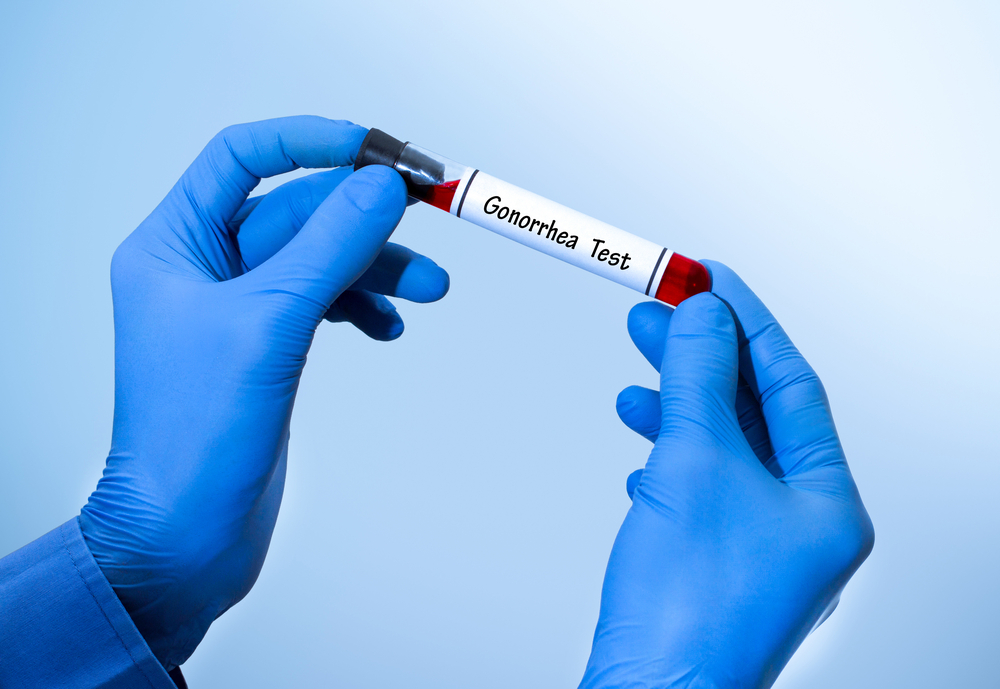
Facing a potential sexually transmitted infection (STI) can be stressful, but knowledge is your best defense. Gonorrhea is one of the most common STIs, yet many people are unsure about what happens after they notice symptoms or receive a notification from a partner. Understanding how gonorrhea is diagnosed is the first step toward reclaiming your health. The process is straightforward, confidential, and critical for preventing long-term complications. Once diagnosed, there are effective treatment options for gonorrhea available that can clear the infection completely. This guide walks you through the journey from the clinic to the cure, ensuring you know exactly what to expect. At Doral Health & Wellness, we have all the answers you need.
How Gonorrhea Is Diagnosed: What to Expect
If you suspect you have been exposed to gonorrhea, or if you are experiencing symptoms like painful urination or unusual discharge, seeing a healthcare provider immediately is essential. The testing process is quick and generally painless.
Types of Tests
Healthcare providers use a few different methods to determine if the Neisseria gonorrhoeae bacterium is present in your body.
- Urine Test: This is the most common method for both men and women. You will simply provide a urine sample in a cup, which is then analyzed in a lab.
- Swab Test: A provider may use a swab to collect a sample from the affected area. This could be the throat, rectum, urethra (in men), or cervix (in women).
- Home Test Kits: While available, these should be used with caution. For the most accurate results, visiting a clinic is recommended.
Results typically come back within a few days. If you are unsure where to go, consulting an infectious disease specialist can ensure you get the most comprehensive care, especially if you have recurring infections or complex symptoms.
Effective Treatment Options for Gonorrhea
Once a diagnosis is confirmed, your doctor will discuss the treatment options for gonorrhea with you. The good news is that gonorrhea is treatable and curable with the right medication.
Antibiotic Therapy
The standard treatment is antibiotics. Because some strains of gonorrhea have become resistant to certain drugs, the Centers for Disease Control and Prevention (CDC) currently recommends a specific dual therapy or a single high-dose injection to ensure effectiveness.
- Injection: A single shot of ceftriaxone is often the first line of defense.
- Oral Medication: In some cases, oral antibiotics like doxycycline may be prescribed alongside the injection to treat potential co-infections like chlamydia.
It is vital to finish all prescribed medication, even if your symptoms disappear before the pills are gone. Stopping early can allow the infection to return and become harder to treat.
Partner Treatment
Treating yourself is only half the battle. To prevent reinfection, your sexual partners from the last 60 days should also be tested and treated. Many clinics offer “expedited partner therapy,” allowing you to take medication or a prescription to your partner without them seeing a doctor first.
Why Specialist Care Matters
While general practitioners can treat STIs, there are times when seeing a specialist is beneficial. An infectious disease specialist has advanced training in handling resistant strains of bacteria. Antibiotic-resistant gonorrhea is a growing concern worldwide, making expert care more important than ever.
For those living in New York, finding qualified infectious disease doctors in Brooklyn can provide peace of mind. These specialists stay up-to-date on the latest treatment protocols and can offer personalized advice on prevention and sexual health. If you have been treated for gonorrhea but symptoms persist, it is crucial to return to your doctor or seek out infectious disease doctors in Brooklyn to rule out treatment failure or reinfection.
Knowing how gonorrhea is diagnosed and understanding the available treatment options for gonorrhea empowers you to take control of your sexual health. The process is simple: get tested, get treated, and notify your partners. Ignoring the problem will not make it go away and can lead to serious health issues down the road.
If you need testing or have questions about STIs, do not hesitate to reach out. Contact our infectious disease doctors today to schedule a confidential appointment and get the expert care you deserve. Book your appointment now, call us on + 1-718-367-2555 to get treated! Learn more about infectious diseases at www.doralhw.org. and stay up to date on current health topics and new research, on recent infectious diseases like COVID-19. If you need help, register your information and make direct contact with our doctors at https://yuz88hfiyh7.typeform.com/Doralintake. Or visit us at 1797 Pitkin Avenue, Brooklyn, NY 11212.