The way you walk is as unique as your fingerprint. While you may not give it much thought, your walking pattern—or gait—can reveal a great deal about your overall health, especially the health of your feet. A formal gait analysis for foot health is a powerful diagnostic tool that helps identify biomechanical abnormalities that may be causing pain or discomfort. By studying the different methods of gait analysis, a specialist can pinpoint the root cause of issues in your feet, ankles, knees, and even your back. This detailed assessment is key to developing effective, personalized treatment plans that go beyond just managing symptoms. Get a consultation with the best Podiatrists in Brooklyn.
What is gait analysis, and why is it important?
Gait analysis is the systematic study of human motion. It involves observing and measuring how you walk and run to assess the movement and mechanics of your body. An abnormal gait can lead to a host of problems because it creates uneven stress on your joints and muscles.
Think of it like the alignment on your car. If one wheel is out of alignment, it causes the tire to wear down unevenly and can eventually damage other parts of the vehicle. Similarly, if your foot mechanics are off, it can lead to conditions like plantar fasciitis, bunions, shin splints, and chronic knee or hip pain. A thorough gait analysis performed by a qualified Brooklyn podiatrist can identify these imbalances before they cause significant damage.
Common Methods of Gait Analysis
A professional assessment goes far beyond just watching you walk down a hallway. Modern podiatry uses various methods of gait analysis to gather precise, objective data.
Observational Gait Analysis
This is the most fundamental method. A trained clinician, such as a podiatrist, will watch you walk from different angles. They look for:
- Symmetry: Are both sides of your body moving in a similar, balanced way?
- Foot Placement: How does your foot strike the ground? Does it roll inward (pronation) or outward (supination) excessively?
- Stride Length and Cadence: Is your stride length even on both sides? How many steps do you take per minute?
- Movement of Knees, Hips, and Pelvis: The analysis includes how the rest of your lower body compensates for your foot mechanics.
This initial observation provides valuable clues that guide further, more technical analysis.
Video Gait Analysis
To get a more detailed look, your walk is often recorded on a treadmill from multiple angles. The video can then be slowed down and analyzed frame by frame. This allows the specialist to see subtle movements that are too fast to catch with the naked eye. It provides a clear visual record of your biomechanics in action.
Computerized Pressure Plate Analysis
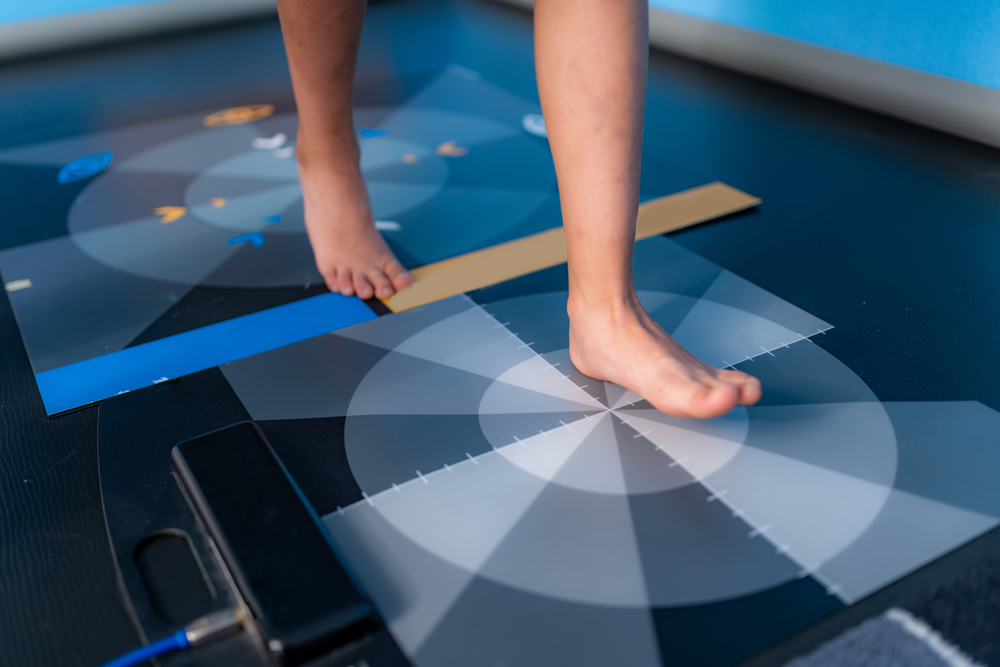
This is one of the more advanced methods of gait analysis. You will walk across a specialized mat, or pressure plate, that is embedded with thousands of sensors. As you walk, the plate creates a dynamic, high-resolution map of the pressure distribution across the bottom of your feet. This technology can reveal:
- High-Pressure Zones: It pinpoints areas that are absorbing too much force, which are often the source of pain and are at risk of injury.
- Center of Pressure: It tracks how your weight transfers through your foot from heel-strike to toe-off.
- Timing: It measures precisely how long each part of your foot is in contact with the ground.
This objective data is invaluable for diagnosing issues and for designing custom orthotics. Finding the best podiatrist in Brooklyn often means finding a clinic equipped with this type of advanced technology.
What Can a Gait Analysis Reveal?
A comprehensive analysis can uncover the underlying causes of many common foot and lower limb problems.
- Overpronation: The foot rolls too far inward, causing the arch to flatten. This is a common contributor to bunions, plantar fasciitis, and posterior tibial tendonitis.
- Supination: The foot rolls too far outward, placing excessive stress on the outer edge of the foot. This can lead to stress fractures and ankle sprains.
- Leg Length Discrepancy: Even a small difference in leg length can alter your gait and cause pain in your hips and lower back.
- Muscle Imbalances: The analysis can show which muscles are overworked and which are not engaging enough, leading to targeted strengthening, or stretching exercises.
How a Brooklyn Podiatrist Uses Gait Analysis
Once the analysis is complete, your podiatrist will explain the findings to you in a clear, understandable way. The results are used to create a tailored treatment plan that might include:
- Custom Orthotics: Unlike over-the-counter insoles, custom orthotics are molded specifically for your feet based on the pressure mapping and video analysis. They are designed to correct your specific biomechanical flaws, providing support and redistributing pressure.
- Footwear Recommendations: Your podiatrist can recommend the best type of shoes for your foot type and gait pattern.
- Stretching and Strengthening Exercises: A targeted exercise program can help correct muscle imbalances and improve your overall mechanics.
- Changes to Your Running or Walking Form: A specialist can provide coaching on how to adjust your form to move more efficiently and reduce injury risk.
Take the First Step Toward Better Foot Health
If you are living with persistent foot, ankle, knee, or back pain, the answer may be hidden in the way you walk. A professional gait analysis is a critical step in understanding the root of the problem and finding a lasting solution. Don’t dismiss your discomfort as something you just have to live with.
Consulting with an expert is key. If you are looking for the best podiatrist in Brooklyn, seek out a clinic that utilizes modern gait analysis technology. Taking this step can lead to significant pain relief and improved quality of life, allowing you to walk, run, and live more comfortably. At Doral Health & Wellness, we have Podiatrists with extensive education and expertise. If you’re ready to take the next step in managing your pain, we recommend consulting with our healthcare provider to explore the right treatments or therapies for you. Always listen to your body and adjust your daily routine to prioritize your well-being. Our address is 1797 Pitkin Avenue, New York, NY 11212. To make an appointment, please call + 1 718 367 2555, or register your information and make direct contact with us at https://yuz88hfiyh7.typeform.com/Doralintake or send an email to info@doralhw.org. You can also visit us at 1797 Pitkin Avenue, Brooklyn, NY 11212.