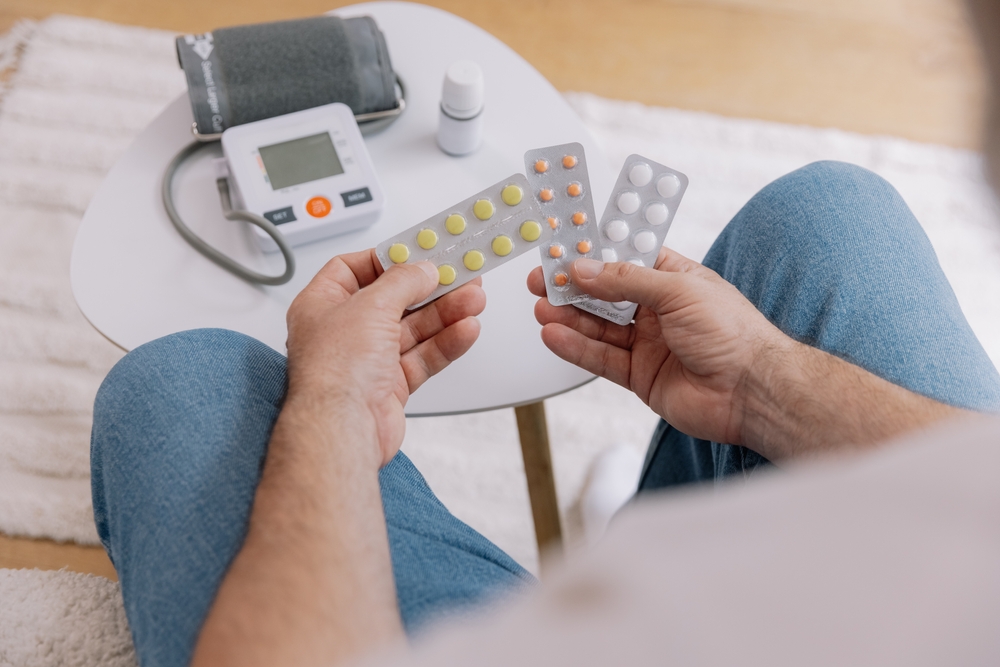
Grapefruit and blood pressure medicines can interact in ways that are more than a minor inconvenience. Grapefruit contains compounds that block an enzyme your body needs to break down certain medications, causing drug levels to build up to dangerous amounts in your bloodstream. This can lead to dangerous blood pressure medication reactions, including dizziness, fainting, or an irregular heartbeat. A cardiologist can tell you whether your specific medication is affected.
Learning that a common breakfast fruit could interfere with your heart medication can feel unsettling. You trust your morning routine, and you trust your prescriptions. Finding out the two do not always mix is the kind of surprise no one wants.
The good news is that this risk is well understood and easy to manage once you know what to look for. This guide explains how grapefruit and blood pressure medicines interact, which drugs are most affected, and what steps you can take to keep your heart safe.
How Do Grapefruit and Blood Pressure Medicines Interact?
Grapefruit contains natural compounds called furanocoumarins. These compounds interfere with an enzyme in your intestines called CYP3A4, which normally helps break down many medications before they enter your bloodstream.
When this enzyme is blocked, more of the drug gets absorbed than intended. For certain blood pressure medications, this can mean levels in your blood rise well beyond a safe range, according to the U.S. Food and Drug Administration (FDA, 2023).
This is why grapefruit and blood pressure medicines are frequently flagged together in medication guides and pharmacy warnings.
Which Blood Pressure Medications Are Affected?
Not every blood pressure medication reacts with grapefruit. Calcium channel blockers are the most commonly affected group.
- Felodipine: One of the most sensitive medications to this interaction.
- Nifedipine: Can cause a sharp drop in blood pressure when combined with grapefruit.
- Amlodipine: Less affected, but caution is still advised.
- Losartan: Generally considered safe, though you should always confirm with your cardiologist.
What Are the Dangerous Blood Pressure Medication Reactions to Watch For?
Dangerous blood pressure medication reactions caused by grapefruit can develop quickly and may feel frightening if you are not expecting them.
Symptoms may include:
Symptom | Why It Happens |
Sudden dizziness | Blood pressure drops too low, too fast |
Fainting | Reduced blood flow to the brain |
Rapid or irregular heartbeat | Medication levels spike in the bloodstream |
Flushing or headache | Blood vessels widen too much |
If you notice any of these symptoms after eating grapefruit or drinking grapefruit juice, contact your cardiologist right away.
How Can You Protect Yourself From This Interaction?
You do not have to give up grapefruit for good, but you do need clear guidance from your care team.
- Check your prescription label. Many medications affected by this interaction carry a printed warning.
- Ask your pharmacist directly. They can confirm whether your specific medication carries a risk.
- Talk to your cardiologist before making changes. Never stop or adjust a blood pressure medication on your own.
- Consider timing. In some cases, spacing out grapefruit consumption and medication doses can help, though this should only be done under medical guidance.
When Should You Talk to a Cardiologist?
If you have recently started a new blood pressure medication, this is the right time to ask about food interactions, including grapefruit. If you already eat grapefruit regularly, mention this during your next appointment, even if you have not noticed symptoms.
Patients working with a cardiology clinic in Brooklyn often find it helpful to bring a full list of foods and supplements to their visits. This gives your cardiologist a complete picture and helps prevent dangerous blood pressure medication reactions before they start.
You Deserve Clear Answers, Not Guesswork
Managing blood pressure medication should not feel like navigating a minefield at the grocery store. With the right information and support from your cardiology clinic in Brooklyn, you can enjoy your meals with confidence and keep your heart protected.
Our cardiology team is here to help you understand your medications, answer your questions, and coordinate care that fits your life. Reach out to us today by calling us at +1-718-367-2555 or walking into our clinic at 1797 Pitkin Avenue, Brooklyn, NY 11212 to make sure your treatment plan is working safely for you.