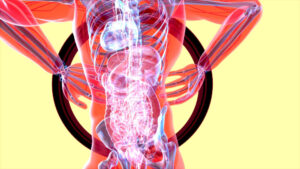
An aortic aneurysm rarely announces itself. It can grow quietly for years, with no pain and no warning, until it becomes a serious danger. That silence is exactly what makes it so frightening for families.
The good news is that hidden aneurysms can be found before they cause harm. A head and neck MRA, along with other imaging tools, lets doctors see weak spots in your blood vessels early. Catching a problem sooner means safer treatment and calmer decisions.
In this guide, you will learn what an MRA looks for, how it fits into a full vascular checkup, and what steps to take next. We will keep the language simple and the focus on what matters most: your loved one’s safety.
What an MRA Reveals About an Aortic Aneurysm
Worrying about a threat you cannot see is exhausting. You want clear answers, not guesswork.
An MRA (magnetic resonance angiogram) creates detailed pictures of your blood vessels without surgery or radiation. Doctors use it to spot bulges, narrowing, and weak walls that could turn into an aortic aneurysm over time.
Why early detection matters
An aneurysm grows slowly, but a rupture happens fast. Finding it early gives your family time to plan.
- Silent growth: Most aneurysms cause no symptoms until they are large or ready to burst.
- Better options: Early findings allow for gentler, planned treatment instead of emergency surgery.
- Peace of mind: Regular imaging turns anxious waiting into confident monitoring.
If your loved one has high blood pressure or a family history of vascular problems, screening becomes even more important. A conversation with your primary care team is often the first step toward the right scan.
Beyond the Neck: A Full Vascular Picture
An aneurysm is rarely the only concern. Weak vessels in one area can hint at trouble elsewhere.
That is why doctors often look at the whole vascular system, not just one region. A head and neck MRA may lead to further tests when something looks off.
When a Leg Angiogram Helps
A leg angiogram checks blood flow in the lower body, where poor circulation and blockages often hide. It helps doctors understand how far vascular disease has spread.
For patients already dealing with an aortic aneurysm, a leg angiogram can reveal related issues in the legs. Together, these images give a complete map of your vascular health.
You can read more about circulation warning signs in our circulation health guide, which explains symptoms worth watching.
Choosing the Right Specialist
Facing a diagnosis is stressful. Choosing where to turn should not add to that stress.
The right specialist explains your options in plain terms and supports your family every step of the way. A trusted vascular surgeon Brooklyn families rely on will walk you through imaging results without rushing.
Here is what to look for:
- Clear communication: They explain your scan, your risks, and your choices in everyday language.
- Experience with imaging: A skilled vascular surgeon Brooklyn residents recommend will interpret MRA and leg angiogram results with care.
- Compassionate support: You deserve a team that answers questions and offers reassurance, not just numbers.
You are not meant to figure this out alone. Support is available, and help is closer than you think.
Take the Next Step Toward Vascular Health
A hidden aneurysm does not have to catch your family off guard. Early imaging, the right specialist, and steady support can change everything.
If you are worried about an aortic aneurysm or want peace of mind for a loved one, reach out today by calling 1-347-384-5690 or visiting us at 1797 Pitkin Avenue, Brooklyn, New York 11212 to schedule a consultation. Our vascular team can arrange screening, coordinate care at home, and guide you through every result.