We understand that your heart health is a cornerstone of your overall well-being. It is important to recognize that your heart does not work in isolation. It is part of a complex network known as the circulatory system, where your heart and blood vessels work together. The health of your blood vessels—your vascular health—is directly linked to the strength of your heart. When issues arise, a diagnostic tool like an arterial vascular study can provide essential clarity. Knowing what a vascular study is and its role in evaluating this connection empowers you to take proactive steps for your health. Our commitment is to provide you with clear, supportive information for your health journey. Get a consultation with the best vascular disease specialists in Brooklyn.
The Intimate Connection Between Heart and Vascular Health
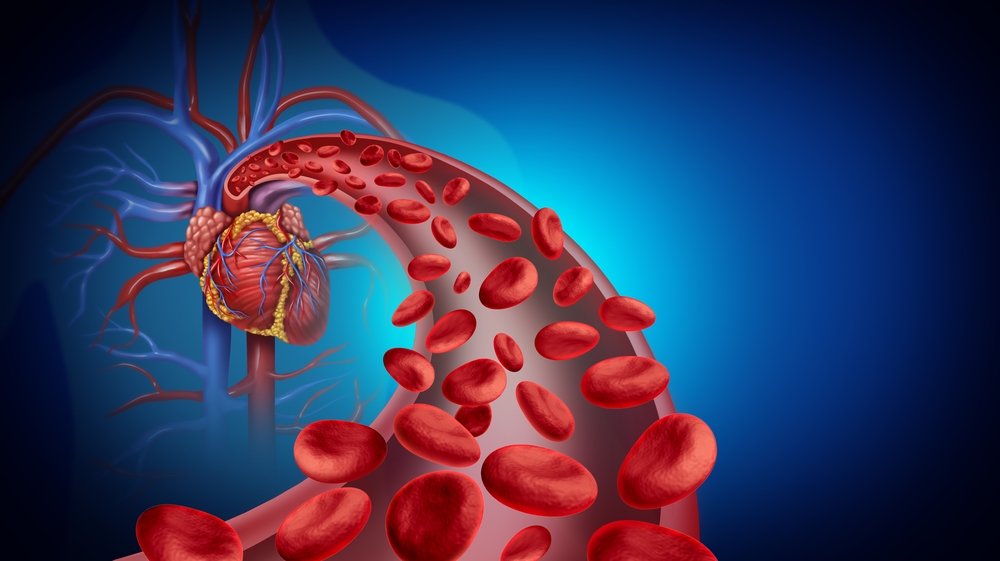
Think of your heart as a powerful engine. Your vascular system—the network of arteries, veins, and capillaries—is the intricate highway system that this engine uses to deliver fuel (oxygen-rich blood) to every part of your body. If the highways become narrowed or damaged, the engine must work harder and can eventually become strained. This is the fundamental connection between heart and vascular health.
A healthy heart efficiently pumps blood, but it relies on smooth, flexible arteries to carry that blood without resistance. Conditions that damage the blood vessels, such as high blood pressure or atherosclerosis, force the heart to pump with more force. Over time, this extra workload can lead to heart muscle thickening, heart failure, or other serious cardiac conditions. Therefore, protecting your blood vessels is a direct way of protecting your heart.
How Vascular Problems Impact the Heart
When the vascular system is compromised, the heart faces immediate and long-term consequences.
Increased Workload: Narrowed or stiff arteries, a condition often referred to as arteriosclerosis, increase resistance. This forces the heart to pump harder to circulate the same amount of blood, leading to high blood pressure.
Reduced Blood Supply: Atherosclerosis, the buildup of plaque in the arteries, can restrict blood flow. When this happens in the coronary arteries that supply the heart itself, it can cause chest pain (angina) or a heart attack.
Risk of Systemic Issues: Poor vascular health is often a sign of a systemic problem. The same plaque that builds up in the leg arteries can also be present in the arteries leading to the heart and brain, increasing the risk for widespread vascular disease.
What is a Vascular Study? A Window into Your Circulatory Health
If your doctor suspects an issue with your blood flow, they may recommend vascular studies. These are non-invasive, painless tests that provide a detailed look at your circulatory system. The most common and effective method is the vascular study ultrasound, which uses high-frequency sound waves to create images of your blood vessels and measure how blood is flowing through them. This allows your healthcare provider to identify blockages or other abnormalities without any radiation or invasive procedures.
Common Types of Vascular Studies
Depending on your symptoms and risk factors, your provider may recommend a specific type of study to evaluate different parts of your vascular system.
Arterial Vascular Study of the Legs: This is a common test to check for Peripheral Artery Disease (PAD), a condition where plaque buildup reduces blood flow to the lower limbs. Symptoms like leg pain when walking are a key indicator for this test.
Carotid Vascular Study: This ultrasound exam focuses on the carotid arteries in your neck, which supply blood to your brain. It is a critical screening tool for assessing stroke risk, as plaque in these arteries can break off and travel to the brain.
Aortic Ultrasound: This study examines the aorta, the body’s largest artery, to check for an aneurysm, which is a dangerous bulge in the vessel wall.
The Role of Lifestyle in Protecting Your Heart and Vessels
You have significant power to influence both your heart and vascular health through daily habits. A heart-healthy lifestyle is, by definition, a vascular-healthy lifestyle.
Diet and Nutrition
A balanced diet is fundamental to preventing plaque buildup and keeping blood vessels flexible.
Limit Unhealthy Fats: Reduce intake of saturated and trans fats found in red meat, fried foods, and processed snacks.
Focus on Whole Foods: Emphasize fruits, vegetables, whole grains, and lean proteins like fish and poultry.
Reduce Sodium: A high-sodium diet contributes to high blood pressure, which damages arteries over time.
Regular Physical Activity
Exercise strengthens the heart muscle and improves circulation throughout the body.
Aim for Consistency: The American Heart Association recommends at least 150 minutes (about 5 hours) of moderate-intensity aerobic exercise, such as brisk walking, each week.
Benefits Beyond the Heart: Exercise helps maintain a healthy weight, lower blood pressure, and improve cholesterol levels, all of which protect your arteries from damage.
Avoiding Tobacco
Smoking is one of the most destructive habits for your vascular system. The chemicals in tobacco smoke directly damage the lining of the arteries, making them more susceptible to plaque buildup. Quitting smoking is the single most effective step you can take to reduce your risk of vascular disease and heart attack.
When to Seek a Professional Opinion
If you have risk factors for heart or vascular disease—such as a family history, high blood pressure, high cholesterol, diabetes, or a history of smoking—it is important to have regular check-ups. Furthermore, if you experience symptoms like chest pain, shortness of breath, leg pain with exertion, or unexplained dizziness, you should consult a healthcare provider promptly. They can determine if an arterial vascular study or other diagnostic tests are necessary.
Your Partners in Lifelong Health
We understand that the connection between your heart and vascular system is vital. Our goal is to provide you with the compassionate care and clear information needed to maintain your health. Diagnostic tools like the vascular study ultrasound give us the insights required to create a personalized care plan for you. By working together, we can protect your heart and vascular system for years to come. We encourage you to speak with one of our healthcare professionals about any concerns. For any vascular problems, call us on + 1-718-367- 2555. The Vascular disease Specialists at Doral Health & Wellness consistently have outstanding patient satisfaction ratings. The professionals at Doral Health & Wellness Vascular Health Department Brooklyn can improve your health and quality of life because of their vast training and experience. New Yorkers can get the greatest medical and surgical vascular care at Doral Health & Wellness Brooklyn. If you need help, register your information and make direct contact with our doctors at https://yuz88hfiyh7.typeform.com/Doralintake. Visit us at 1797 Pitkin Avenue, Brooklyn, NY 11212.