Chronic pain is often called the “invisible illness” because it lacks a physical wound you can see. For years, measuring pain relied entirely on subjective patient reports—until now. A revolutionary technology known as high-density electroencephalography (HD-EEG) is changing the landscape of neuroscience and pain management. But what is high-density electroencephalography exactly? Unlike standard EEGs used for decades, this advanced system uses a significantly higher number of sensors to create a high-resolution map of brain activity. This level of detail allows researchers and clinicians to see the “pain connectome”—the specific network of brain areas active during pain processing. By understanding how EEG can track pain connection to the brain, medical professionals are moving closer to identifying objective biomarkers for conditions like central sensitization, paving the way for more targeted and effective treatments. Visit the best Pain Management Clinic in Brooklyn at Doral Health & Wellness, or log on to https://doralhw.org/contact-us/ to schedule an appointment with us.
What Is High-Density Electroencephalography (HD-EEG)?
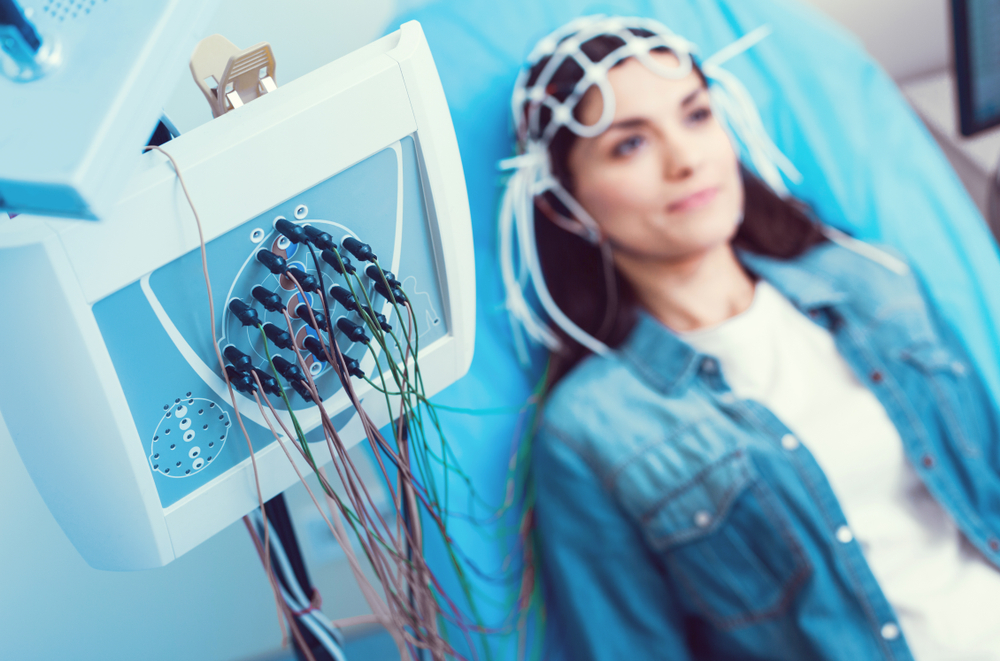
To appreciate the leap forward, we must first answer the question: What is high-density electroencephalography? Standard EEG typically uses between 19 and 32 electrodes placed on the scalp to measure electrical activity. While useful for detecting seizures, it offers a somewhat blurry picture of exactly where in the brain signals originate.
High-Density EEG, by contrast, utilizes anywhere from 64 to 256 electrodes. This massive increase in sensor density acts like upgrading from an old, grainy television to a 4K ultra-high-definition screen.
- Spatial Resolution: With more sensors, HD-EEG can pinpoint the source of neural activity with much greater accuracy (source localization).
- Temporal Precision: Like standard EEG, it captures brain activity in real-time, millisecond by millisecond.
This combination allows scientists to visualize the complex, rapid-fire communication between different brain regions, which is essential for understanding dynamic conditions like chronic pain.
How EEG Can Track Pain Connection to the Brain
Pain is not just a sensation; it is a complex experience involving emotion, memory, and sensory processing. EEG can track the pain connection to the brain, which involves monitoring specific patterns of electrical waves that occur when a patient experiences discomfort.
The Pain Connectome
The “pain connectome” refers to the network of brain regions that work together to produce the experience of pain. HD-EEG helps map this by identifying:
- Theta and Gamma Waves: Studies suggest that abnormal increases in these brain waves often correlate with chronic pain states.
- Functional Connectivity: This measures how well different parts of the brain communicate. In chronic pain patients, certain areas may become “overconnected” or hyperactive.
Biomarkers of Central Sensitization
Central sensitization is a condition where the central nervous system becomes stuck in a state of high reactivity, lowering the threshold for pain. HD-EEG can identify specific biomarkers—measurable indicators—of this state. For example, a patient with fibromyalgia might show a distinct electrical “signature” in the brain that differs from someone with acute injury pain. This objective data is invaluable for pain management doctors who previously had to rely solely on pain scales.
The Future of Pain Management
The ability to “see” pain in the brain opens new doors for treatment. By using HD-EEG, specialists can move toward personalized medicine.
- Diagnosis: Differentiating between physical nerve damage and central sensitization.
- Treatment Monitoring: Objective verification that a therapy (like medication or neuromodulation) is actually changing brain activity.
- Neurofeedback: Training patients to alter their own brain waves to reduce pain perception.
Residents searching for relief can benefit from these advancements by visiting our forward-thinking pain management clinic in Brooklyn. Our facilities are increasingly adopting advanced diagnostic tools to offer comprehensive care.
High-Density EEG represents a monumental shift in our understanding of the suffering mind. By clearly defining what high-density electroencephalography is and demonstrating how EEG can track the connection to the brain, science is validating the experiences of millions of chronic pain sufferers. We are moving from a world of subjective guesswork to one of objective, data-driven treatment. If you are struggling with persistent pain that defies explanation, seeking out pain management doctors who understand the neurology of pain is crucial. Consider scheduling an evaluation at Doral Health & Wellness’s specialized pain management clinic in Brooklyn to explore how advanced diagnostics might illuminate your path to recovery. Visit the Doral Health & Wellness Pain Relief Department in Brooklyn to get professional help and guidance on how to manage your problem. Call us at +1-718-367-2555 to get a consultation. If you need help learning coping methods, register your information and make direct contact with our doctors at https://yuz88hfiyh7.typeform.com/Doralintake. Log on to www.doralhw.org. Or visit us at 1797 Pitkin Avenue, Brooklyn, NY 11212.