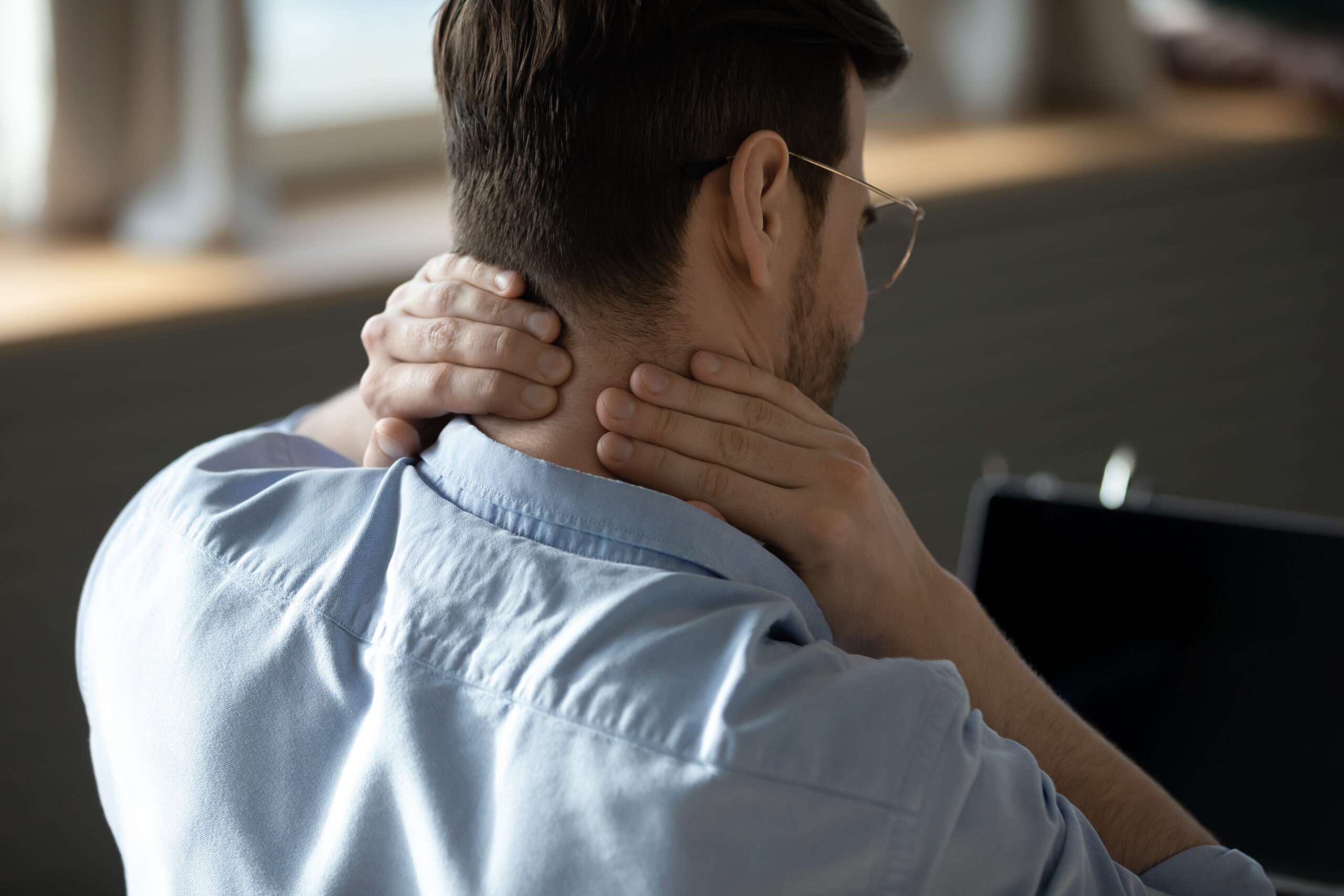
Is your stiff neck just a sign of a strained muscle or something more? In most cases, a stiff neck is caused by overstretching or straining, but in some cases, it can be a sign of serious problems that need immediate medical help. Learn when a stiff neck is a serious problem in this article. Visit the best Pain Management Clinic in Brooklyn at Doral Health & Wellness or log on to www.doralhw.org.
Causes
A stiff neck is caused when the neck muscles are overused, stretched too far, or strained. This can cause pain ranging from mild to severe which makes it difficult to move your head or use the neck muscles. The most common causes of stiff neck are:
- Minor strains and sprains:
Minor strains or sprains can cause a stiff neck. It may occur due to:
- Sleeping awkwardly.
- Sitting or slouching for long periods, like staring at a smartphone or computer screen.
- A sports injury.
- Injury from a fall.
- Tense muscles due to stress.
- Trauma or injury:
Trauma or injury that involves sudden movement of the head often makes your neck stiff. It includes car accidents, sports injuries, or whiplash.
- Arthritis:
Arthritis occurs when your joints start to deteriorate with age, causing pain and inflammation, including in your neck joints. The pain may get worse if you stay in the same position for a longer period, like driving or working on a computer. The most common types of arthritis that cause neck stiffness are cervical spondylosis, rheumatoid arthritis, and post-traumatic arthritis.
- Meningitis:
It is an infectious disease that causes inflammation in the area surrounding your brain and spinal cord (the meninges). It is usually caused by viral, fungal, and bacterial infections. Viral meningitis can get better on its own, but bacterial and fungal meningitis can be life-threatening and need immediate medical care. Its symptoms include:
- A sudden fever along with headache, or stiff neck, or both.
- Nausea and vomiting.
- Sensitivity to light.
- Confusion or irritability.
- Inability to wake from sleep.
- Nerve compression:
Sometimes herniated disks or bone spurs in the vertebrae of the neck can press the nerves from the spinal cord which leads to a stiff neck.
When is the stiff neck a serious problem?
Generally, a stiff neck is not a severe problem, however, if your stiff neck occurs along with any of the following symptoms, then you should see a doctor.
- Sudden weight loss without diet and physical activity changes.
- Unexplained fever and chills.
- The spine experiences pounding pain.
- A chronic headache that suddenly occurs.
- Severe headaches that make it difficult to bend your head, fever, and an altered state of mind all indicate meningitis symptoms.
- Nausea, dizziness, and vomiting may indicate the upper cervical spine’s stability.
- You experience numbness, weakness, or persistent pins and needles in your arm.
- Experiencing a trauma like a whiplash injury.
- If you are fatigued, have sudden unexplained weight loss, or fever.
- Pain keeps getting worse rather than getting better.
- Weakness in your legs or trouble passing urine.
- Have other medical problems like recent accidents, cancer, or rheumatoid arthritis.
Besides these symptoms, if you have any of the conditions that cause neck pain or stiffness, you need to seek medical help, including:
- Stroke
- Disc disease (Cervical, lumbar, sacral, or thoracic) – herniation or bulge
- Malignancy
- Spinal stenosis
- Fibromyalgia
- Rheumatoid arthritis
- Osteoarthritis
- Seronegative arthropathies
- Carotid dissection
- Degenerative disc disease
- Vertebral fracture
Symptoms
A stiff neck can vary from mild to severe, which can make you feel uncomfortable, or it can be extremely painful, sharp, and limiting. You may experience a stiff neck on one side or place due to working in the same direction or holding a position. You can even experience headaches, muscle tightness, or spasms.
Treatment
Stiff neck treatment depends on the underlying cause or severity of the symptoms. Common treatment options for stiff neck include:
- Cold or heat therapy:
Using cold or heat therapy alternatively can relieve inflammation and swelling after a minor strain or sprain. First, use an ice pack during the first 24 to 48 hours (about 2 days) when pain flares up to numb the pain and swelling. Use it only 20 minutes at a time, 3 to 4 times a day. Make sure you don’t apply an ice pack directly on the neck; instead, wrap a cloth around it to avoid frostbite. After that, applying heat therapy to the neck can help you improve blood flow, relax tense muscles, and provide relief. You can either use heating pads or take hot baths.
- Over-the-counter medications:
Usually, over-the-counter medications like nonsteroidal anti-inflammatory drugs (NSAIDs) are the first line of treatment for neck stiffness and soreness. It can help you relieve swelling, inflammation, and pain. The most common NSAIDs are ibuprofen and naproxen. While they are safe to use, sometimes they can cause side effects by interacting with some food or supplements, so make sure you discuss with a pharmacist or doctor any medications you plan to take.
- Rest:
Take rest for one or two days if you have injured tissues so that they can heal and relieve stiffness and muscle spasms.
- Gentle stretching:
Some gentle stretching of neck muscles can help you ease the stiffness and restore the neck’s natural range of motion. You can learn appropriate stretches with the help of a physical therapist or other qualified health professional.
- Low-impact aerobic exercise:
In addition to stretching, adding low-impact aerobic exercise like walking can help relieve any type of stiffness. While it doesn’t directly impact the neck, it improves the circulation of oxygen to the soft tissues throughout the spine, to improve healing.
- Check the sleep environment:
Sometimes the sleeping posture is the reason behind neck stiffness. It can be that your mattress or pillow is too firm or not supportive enough. When you sleep, you need to ensure your head, neck, and back are in an aligned position. You need to use a pillow that suits your sleeping position. If you’re a side sleeper, choose a firmer, larger pillow. If you’re a back sleeper, you may need a flatter pillow that supports your head and neck without forcing them into a forward position.
- Pay attention to your posture:
Slouching can, over time, pull neck muscles, which causes stiffness and pain. So, a person should focus on keeping their shoulders, neck, and back in a straight line throughout the day. You can use a posture-correcting device, or alarms on a cell phone (or computer) that help you remember to keep your posture straight.
- See a dentist:
If ongoing stiffness in the neck is accompanied by a headache or jaw pain, then it can be a sign of nighttime teeth grinding or bruxism. Your dentist can check your teeth for the signs of grinding and alignment of the jaw. Some people need to wear a custom-designed tooth guard at night to prevent teeth grinding for further damage. It may alleviate pressure on the jaw and neck muscles.
- Getting a massage:
A massage can help you relieve the tense, sore muscles in the neck. Research still hasn’t proven its effectiveness, but a study from 2014 found that massage can improve pain for people with neck arthritis. Other studies found that it can help relieve stress, which indirectly helps with stiffness in the neck.
- Manage stress:
You can’t avoid stress completely, however, there are several ways to manage it to relieve tension in your neck. People with chronic stress need to learn ways that are helpful to manage their stress.
If your stiff neck is caused by underlying conditions like meningitis, then treating the underlying cause can help you manage your neck stiffness.
A stiff neck is a very common problem that occurs from overstretching, overusing, or straining. While it gets better with rest, cold or heat therapy, and over-the-counter medications, sometimes it can indicate a serious medical condition like meningitis that needs immediate medical help. So, make sure if a stiff neck is accompanied by the above-mentioned symptoms, you should seek medical help quickly.
Need help with a stiff neck? Visit our pain management clinic in Brooklyn to get professional medical help. Call us to book your appointment now!!!! Our location at 1797 Pitkin Avenue, Brooklyn, NY 11212 is well-served by public transportation, including many bus routes, and the subway line. Visit our website at https://doralhw.org/department/pain-management/ or contact us on +1-347-384-5690 for additional details.