Living with diabetes means paying constant attention to your feet. For millions of people, a small cut or blister can turn into a serious complication known as a diabetic foot ulcer. These open sores are difficult to heal and are a leading cause of amputation. However, medical technology is stepping up to the challenge. The use of thermal imaging to detect diabetic foot ulcers earlier is emerging as a game-changer in preventative care. By spotting inflammation before it becomes visible to the naked eye, this non-invasive tool offers a crucial head start in treatment, potentially saving limbs and lives. Get a consultation with the best Podiatrists in Brooklyn.
What is thermal imaging for feet?
Thermal imaging, or thermography, uses an infrared camera to create a heat map of your feet. It doesn’t use radiation or touch your skin. Instead, it measures the temperature patterns on the surface of your foot.
The Science Behind the Heat
When tissue is injured or about to break down, the body sends more blood to that area to try to fix it. This increased blood flow creates “hot spots.” A standard visual exam might miss these subtle changes, but a thermal camera can pick them up instantly. Identifying these hot spots is the core principle behind the use of thermal imaging to detect diabetic foot ulcers earlier.
Why Early Detection Matters
By the time you see a sore or feel pain, the damage is often already serious. Diabetic neuropathy (nerve damage) can make it impossible to feel a developing injury. Thermal imaging bridges this gap. It allows doctors to see the warning signs days or even weeks before the skin breaks.
The Role of a Podiatrist in Prevention
While technology is powerful, it works best when guided by an expert. A podiatrist is a specialist who can interpret these thermal images and create a care plan.
Interpreting the Data
A heat map alone isn’t a diagnosis. A podiatrist looks for specific asymmetries—differences in temperature between your left foot and right foot. A significant difference (often defined as more than 2.2°C or 4°F) usually indicates inflammation.
Creating a Protection Plan
Once a hot spot is identified, your doctor can take immediate action. This might include:
- Off-loading: Changing your footwear or using pads to take pressure off the hot spot.
- Activity Modification: Reducing walking or standing time until the inflammation subsides.
- Closer Monitoring: Scheduling more frequent check-ups to track progress.
Accessing Advanced Care
If you live in a major city, access to this technology is becoming more common. For residents in New York, visiting a podiatry clinic in Brooklyn that offers advanced diagnostic tools can be a critical step in your diabetes management plan.
What to Expect at a Clinic
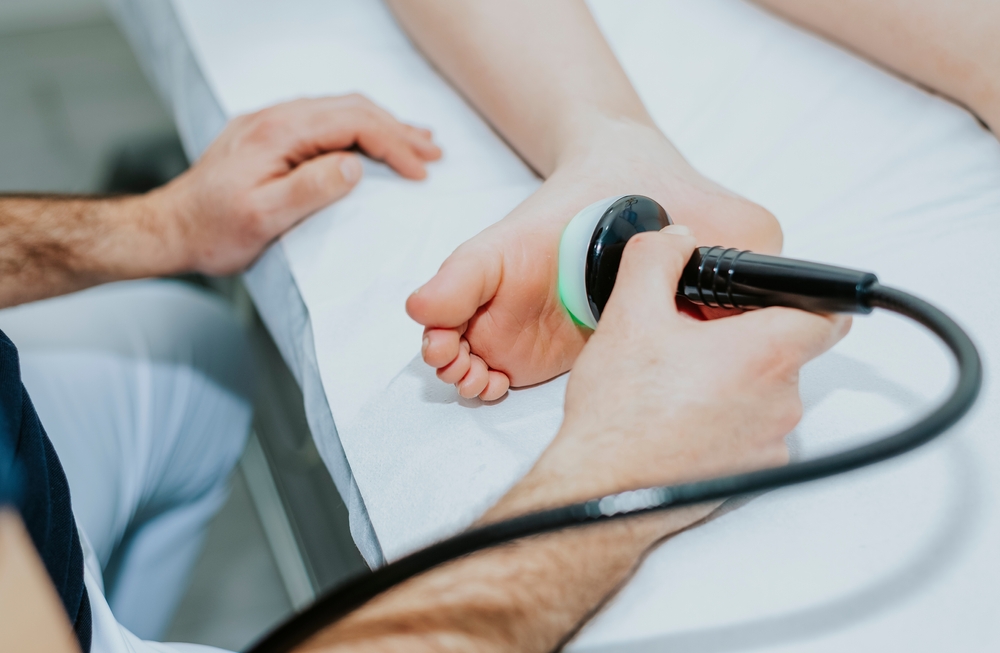
A typical screening is quick and painless. You will likely remove your shoes and socks and let your feet acclimate to the room temperature for about 10–15 minutes. Then, the specialist will take images of the tops and bottoms of your feet.
Integrating Technology with Daily Habits
Thermal imaging is a powerful tool, but it doesn’t replace daily self-exams. You should still:
- Check your feet every day for cuts, redness, or swelling.
- Wash your feet daily and dry them thoroughly.
- Wear proper-fitting shoes and socks.
At Doral Health & Wellness’s podiatry clinic in Brooklyn, we can help you integrate these daily habits with periodic thermal screenings for comprehensive protection.
The fight against diabetic complications is shifting from reactive treatment to proactive prevention. The use of thermal imaging to detect diabetic foot ulcers earlier represents a significant leap forward. It gives patients and doctors a “sixth sense” to see inflammation before it causes damage. If you have diabetes, don’t wait for a problem to appear. Proactive monitoring combined with expert care from a podiatrist is your best defense against ulcers. Take control of your foot health today. At Doral Health & Wellness, we have Podiatrists with extensive education and expertise. Our address is 1797 Pitkin Avenue, New York, NY 11212. To make an appointment, please call + 1 718 367 2555, or register your information and make direct contact with us at https://yuz88hfiyh7.typeform.com/Doralintake or send an email to info@doralhw.org.