Aching legs, swollen ankles, and visible veins can make everyday life uncomfortable. If you or a loved one lives with varicose veins, you already know how tiring the search for relief can feel. The good news is that modern vein care is gentler and faster than ever before.
Two of the most trusted options are laser treatment and Radiofrequency Ablation (Vascular). Both close off damaged veins so blood can reroute to healthier ones. Both are minimally invasive, done in an office setting, and usually let you return to daily life within a day or two.
The choice between them depends on your body, your comfort, and your goals. This guide walks you through the differences in plain language so you can make a decision that feels right for you.
What Is Radiofrequency Ablation?
Vein disease often starts quietly, then grows into pain that interrupts your sleep and your routine. Understanding your options is the first step toward relief.
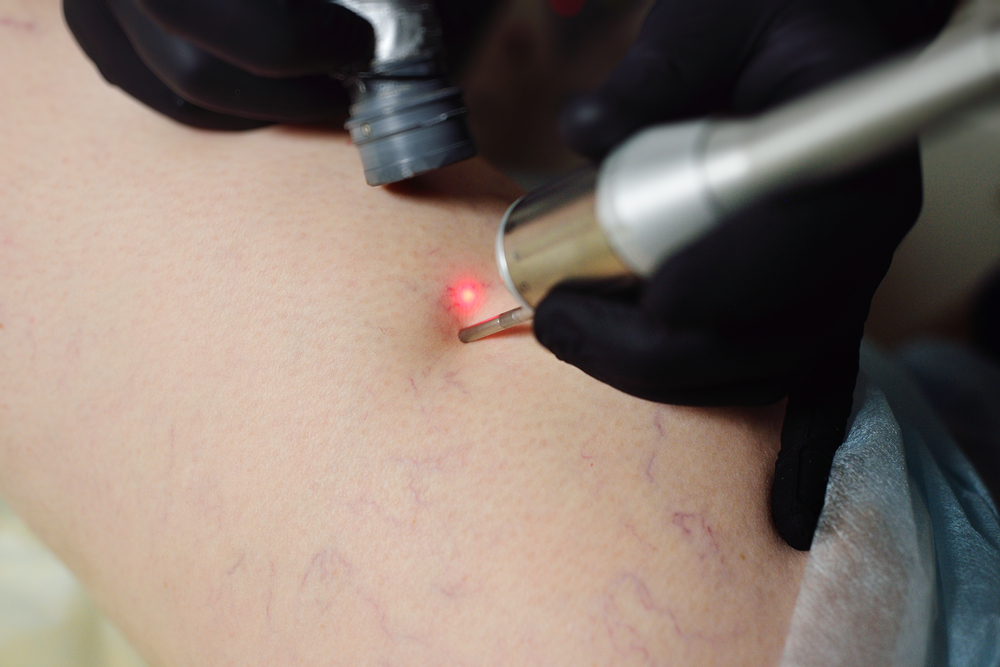
Radiofrequency Ablation uses controlled heat energy to seal a faulty vein. A thin catheter delivers gentle warmth to the vein wall, causing it to collapse and close. Over time, your body absorbs the treated vein naturally.
Studies show this method offers high closure rates and lasting results. Many patients report less bruising afterward compared to older techniques. A qualified varicose veins surgeon can confirm whether your veins are a good fit for this approach.
Laser Ablation: How It Compares
Laser ablation works on a similar idea. Instead of radio waves, it uses focused laser light to heat and close the vein. The results are comparable, though the recovery experience can differ slightly.
Here is a simple side-by-side look:
Feature | Radiofrequency Ablation | Laser Ablation |
Energy source | Radio waves | Laser light |
Post-procedure bruising | Often less | Sometimes more |
Discomfort during recovery | Typically mild | Mild to moderate |
Closure success | High | High |
Time in office | About an hour | About an hour |
Neither option is universally “better.” The right choice depends on the size and location of your veins, your health history, and your comfort preferences.
Questions to Ask Your Surgeon
You deserve a clear conversation before any procedure. When you meet a specialist, consider asking:
- About your veins: Which treatment suits the size and depth of my affected veins?
- About recovery: How soon can I return to work or caregiving duties?
- About experience: How many of these procedures have you performed?
- About cost: Will my insurance help cover treatment, and what support is available?
If you want a deeper look at what to expect, our guide to recovering after vein treatment breaks down each step of healing at home.
Finding the Right Care in Brooklyn
Choosing a provider can feel overwhelming, especially when your legs already hurt. You are not alone in this decision, and help is closer than you think.
A skilled vascular surgeon Brooklyn families trust will explain your options without pressure. Look for someone who listens, answers questions patiently, and tailors a plan to your needs. A caring varicose veins surgeon should treat your comfort as a priority, not an afterthought.
If travel to an office is difficult, our in-home medical visits bring expert follow-up care right to your door. And when you need a vascular surgeon Brooklyn residents recommend, the right team makes the entire journey feel safer.
Take the Next Step Toward Relief
Living with vein pain is exhausting, but lasting comfort is within reach. Whether laser or radiofrequency care fits you best, the first move is a simple conversation. Reach out today to our vascular specialist team by calling us at +1-718-367-2555 or walking into our clinic at 1797 Pitkin Avenue, Brooklyn, NY 11212 to schedule a consultation and let us guide how to manage your vascular health.