Keratoconus is a progressive eye condition that affects the shape and clarity of the cornea, the clear, frontmost part of the eye. Instead of maintaining its natural dome-like shape, the cornea gradually thins and bulges outward, forming a cone. This distortion affects how light enters the eye, leading to blurred and distorted vision. Although keratoconus can affect people of all ages, it typically starts during the teenage years or early adulthood, making early detection important in preserving vision and preventing long-term complications.
At Doral Health & Wellness Ophthalmology, we specialize in diagnosing and treating keratoconus at any stage. If you or a loved one are experiencing changes in vision, don’t wait to seek expert care. Contact our knowledgeable team today for a comprehensive evaluation and take the first step toward better eye health.
What Causes Keratoconus?
The exact causes of keratoconus are not fully understood, but researchers believe it is influenced by a combination of genetic, environmental, and lifestyle factors. Here are some key contributors to this condition:
- Genetics – Keratoconus can run in families, meaning there is a higher chance of developing it if a close relative has been diagnosed.
- Eye Rubbing – Frequently and aggressively rubbing the eyes has been linked to the progression of keratoconus, potentially weakening the corneal structure.
- Medical Conditions – Certain conditions, such as Down syndrome and connective tissue disorders, increase the risk of developing keratoconus.
- Oxidative Stress – Imbalanced enzymes and inadequate antioxidant activity in the cornea may break down collagen fibers, leading to thinning and weakening of the corneal tissue.
Understanding the potential causes is vital to managing risk factors and identifying early warning signs.
Why Are Adolescents and Young Adults at Risk?
Keratoconus commonly begins during adolescence or young adulthood, with symptoms often worsening over time if left untreated. The following factors make this age group particularly susceptible:
- Active Eye Growth – During teenage years, the eyes are still developing, which may contribute to corneal instability and thinning.
- Delayed Diagnosis – Subtle vision changes are often mistaken for common issues like nearsightedness or astigmatism, delaying appropriate treatment.
- Lifestyle Habits – Younger individuals may be more inclined to rub their eyes, particularly if they experience allergies or irritation, increasing stress on their corneas.
Because keratoconus is progressive, early detection offers the opportunity to slow its advancement through specialized treatments.
Signs and Symptoms to Watch For
Recognizing the symptoms of keratoconus is the first step toward protecting vision. Common signs include:
- Blurred or Distorted Vision – Objects may appear wavy or out of focus, even when wearing glasses.
- Frequent Prescription Changes – Rapid shifts in eyeglass or contact lens prescriptions can signal worsening corneal irregularities.
- Sensitivity to Light – Increased glare and difficulty seeing in bright conditions are common complaints.
- Halos Around Lights – Vision may be affected by rings or halos surrounding light sources, especially at night.
- Double Vision in One Eye – This symptom may occur in advanced cases as the cornea’s shape becomes more irregular.
Any of these symptoms warrant evaluation by an eye specialist, as they may indicate keratoconus or another vision condition.
The Importance of Early Detection
When caught early, keratoconus can often be managed effectively, preserving vision and reducing the need for invasive procedures in the future. Here’s why early detection matters:
- Preventing Severe Vision Loss – Timely intervention can stop or slow the thinning of the cornea, protecting vision.
- Expanding Treatment Options – Many minimally invasive treatments, such as corneal cross-linking (CXL), work best in the early stages.
- Improving Long-Term Outcomes – By addressing the issue early, individuals can maintain better vision and avoid complications that could impact daily life.
Adolescents and young adults should have regular eye exams, especially if they are experiencing symptoms or have a family history of keratoconus.
Treatments Available for Keratoconus
Modern advancements in ophthalmology have made it possible to effectively manage keratoconus and improve the quality of life for those affected. Treatment options vary based on the condition’s severity and progression:
- Corneal Cross-Linking (CXL – This FDA-approved treatment strengthens the cornea by creating new collagen bonds, halting the progression of keratoconus.
- Custom Contact Lenses – Specially designed lenses, such as scleral or rigid gas-permeable lenses, can correct vision by creating a smooth refracting surface.
- Intacs – These small, curved implants are inserted into the cornea to flatten its shape and improve vision in mild-to-moderate cases.
- Corneal Transplant – For advanced keratoconus, when other treatments are ineffective, a transplant may restore vision by replacing the damaged cornea with healthy tissue.
Early diagnosis allows specialists to recommend the most appropriate and successful treatment for each individual.
Protect Your Vision with Doral Health & Wellness Ophthalmology
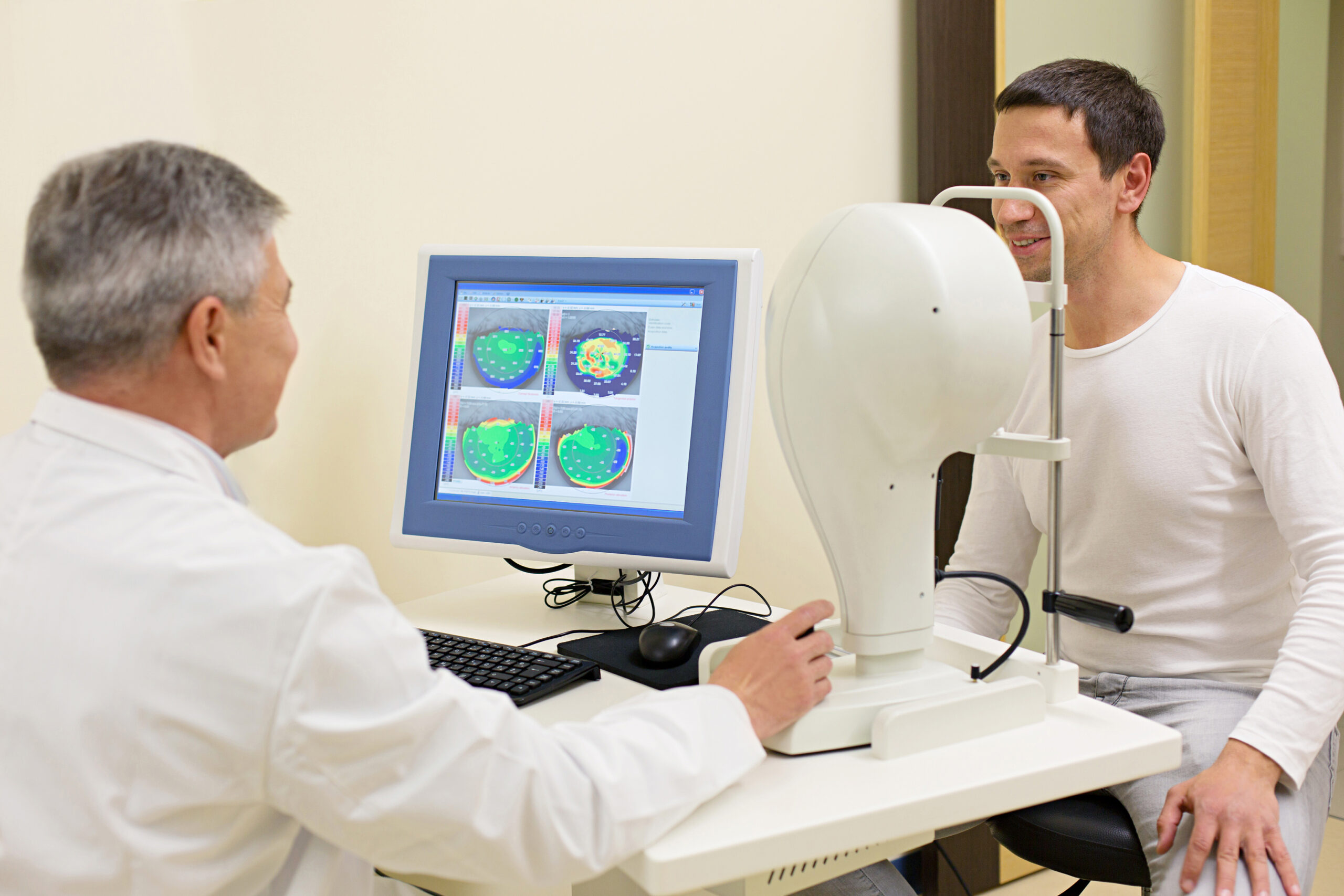
Keratoconus doesn’t have to dictate your future. At Doral Health & Wellness Ophthalmology, we are equipped with advanced diagnostic tools and treatments to address keratoconus at every stage. Our team of experienced keratoconus doctors and specialists will work closely with you to develop a personalized care plan that protects your vision and enhances your quality of life.
If you’re noticing changes in vision or have concerns about keratoconus causes, symptoms, or treatment, now is the time to act. Schedule a consultation with Doral Health & Wellness Ophthalmology today for expert guidance and cutting-edge care. Together, we can help safeguard your vision and provide the support you need for a brighter, clearer future. To schedule an appointment, you can call us at 1-718-367-2555 or visit us at 1797 Pitkin Avenue, Brooklyn, New York 11212. You can also visit our website at https://doralhw.org. Don’t wait, take the first step toward better eye health by contacting us today!