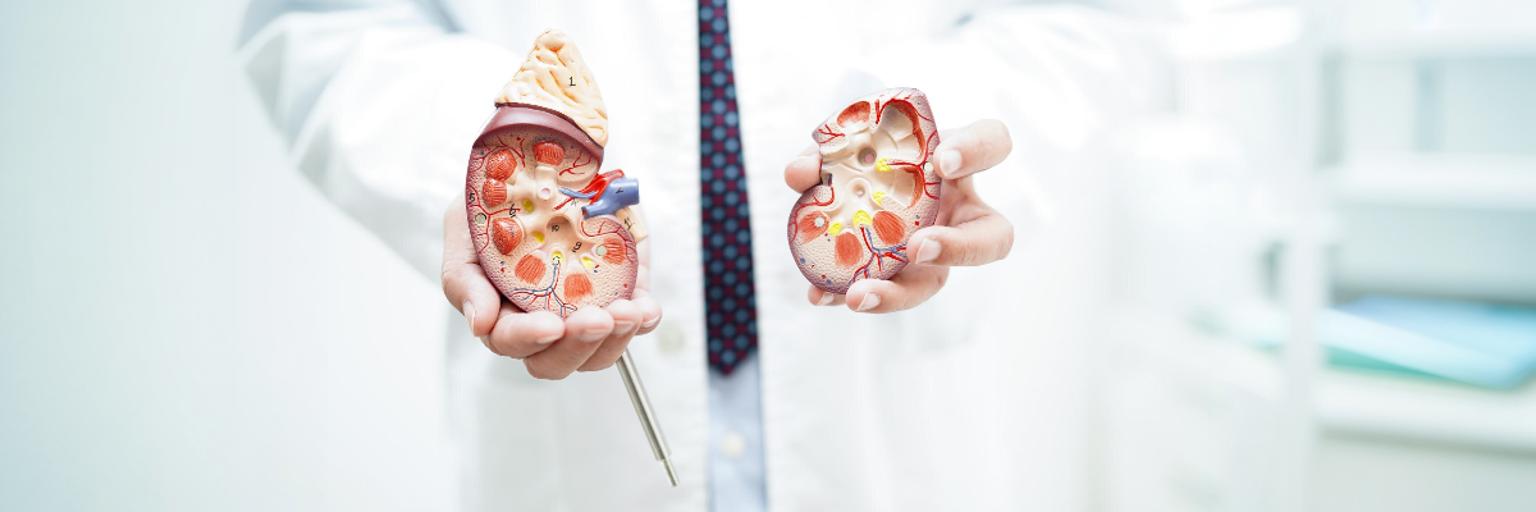
When medical issues threaten your vital organs, taking swift action becomes a top priority. A nephrectomy is a major surgical intervention designed to treat severe damage or disease. If your doctor recommends kidney removal, you likely have many questions about what comes next. This kidney surgery removes part or all of the organ to stop the spread of disease or treat severe dysfunction. Understanding the nephrectomy procedure helps you feel more confident about your upcoming treatment. Ultimately, taking this bold step aims to protect your overall kidney health and improve your quality of life.
If you are facing a complex diagnosis and need expert guidance, Doral Health & Wellness is here to support you. Our dedicated medical professionals provide comprehensive evaluations to determine the best path forward for your unique situation. Reach out to our compassionate team today to get the answers you deserve and secure top-tier care.
Understanding the Nephrectomy Procedure and Kidney Removal
Hearing that you need an organ removed can feel incredibly overwhelming. However, medical advancements make modern kidney removal safer and more effective than ever before. A nephrectomy involves extracting a diseased or damaged kidney, either entirely or partially. Surgeons perform this intervention to treat conditions that do not respond to medication or less invasive methods.
By removing the source of the problem, this kidney surgery prevents further complications. Most people live long, healthy lives with just one functioning kidney. The remaining organ simply adapts and takes on the workload to maintain your baseline kidney health.
Why You Might Need This Kidney Surgery
Doctors do not recommend this intervention lightly. They carefully evaluate your medical history before suggesting a surgical route.
Several conditions typically require this level of intervention:
- Malignant tumors or kidney cancer that threaten to spread to other organs
- Severe, recurring infections that cause irreversible scarring and tissue damage
- Traumatic injuries from accidents that severely rupture the organ
- Congenital defects where the kidney does not function correctly from birth
- Donating a healthy kidney to save another person’s life
If you experience chronic pain, persistent infections, or abnormal growths, seeking a professional evaluation is essential.
How to Prepare for Your Nephrectomy
Thorough preparation ensures a smoother surgical experience and a better recovery. Your medical team will guide you through several important steps in the weeks leading up to your operation. You will undergo comprehensive blood tests, imaging scans, and heart evaluations to ensure your body can handle the stress of surgery.
Your doctor will also ask you to review your current medications. You must pause blood thinners and certain anti-inflammatory drugs to reduce the risk of excessive bleeding. If you smoke, quitting before the operation greatly improves your body’s ability to heal and fight off infections.
Finding the Right Care for Your Needs
Choosing the right medical facility plays a massive role in your treatment outcome. When searching for a highly rated kidney clinic near me, look for comprehensive care centers with experienced surgical teams. Excellence in nephrology in NY requires advanced technology and a deep understanding of complex urological conditions.
Working with a skilled Brooklyn nephrologist ensures you receive accurate diagnostics and a personalized treatment plan. A great doctor will answer all your questions, explain the risks, and help you feel completely prepared for the big day.
What Happens During the Nephrectomy Procedure?
The exact details of your surgery depend on your specific condition and the technique your surgeon chooses. You will receive general anesthesia, meaning you will sleep deeply and feel no pain during the operation.
Surgeons generally use one of two main approaches. Open surgery involves a single, larger incision in your side or abdomen to access the organ directly. Alternatively, laparoscopic surgery uses several tiny incisions. The surgeon inserts a camera and specialized tools to carefully detach and remove the organ. Laparoscopic methods typically result in less pain and a faster recovery.
Partial vs. Radical Kidney Removal
Not every patient needs the entire organ taken out. Your surgeon will choose the best approach based on the extent of the damage.
There are two primary types of this intervention:
- Partial nephrectomy removes only the diseased or cancerous portion of the organ, leaving the healthy tissue intact to preserve function
- Radical nephrectomy removes the entire organ, the surrounding fat, and sometimes the adrenal gland and nearby lymph nodes
Your Brooklyn nephrologist will thoroughly explain which option gives you the highest chance of a full recovery while preserving as much function as possible.
Navigating Recovery and Protecting Kidney Health
Waking up after surgery marks the beginning of your healing journey. You will likely spend a few days in the hospital so the nursing staff can monitor your vital signs and manage your pain. A urinary catheter might remain in place for a short time to help drain urine while your body rests.
Once you return home, rest becomes your primary job. You must avoid heavy lifting, strenuous exercise, and intense physical activity for several weeks. Eating a balanced diet and staying hydrated helps your body recover faster and prevents constipation caused by pain medications.
Life After Kidney Surgery
Adjusting to life with one kidney is easier than most people expect. However, you must take proactive steps to protect your remaining organ. Prioritizing your kidney health means eating nutritious foods, managing your blood pressure, and keeping your blood sugar levels in a safe range.
Routine check-ups are absolutely essential. When looking for a kidney clinic near me for post-operative care, prioritize facilities that offer ongoing monitoring. Regular blood and urine tests allow experts in nephrology in NY to track your organ function over time. A trusted Brooklyn nephrologist will help you make the right lifestyle adjustments to ensure your remaining kidney stays strong for decades to come.
Taking Action for Your Future
Facing a nephrectomy procedure is a major life event, but it is often the most effective way to restore your well-being. Whether you are dealing with cancer, severe infection, or traumatic injury, kidney removal stops the damage from spreading. By understanding the details of this kidney surgery, you empower yourself to make confident medical decisions. Protecting your long-term kidney health requires the right surgical team, careful preparation, and a commitment to a healthy lifestyle post-operation.
Do not face complex urological issues alone. Secure the expert care you need by reaching out to Doral Health & Wellness today at 1-718-365-2555 or visit us at 1797 Pitkin Avenue, Brooklyn, New York 11212. Our comprehensive facility offers advanced diagnostics and compassionate support for all your medical needs.
For general information about Doral Health & Wellness services, you can contact or email info@doralhw.org.