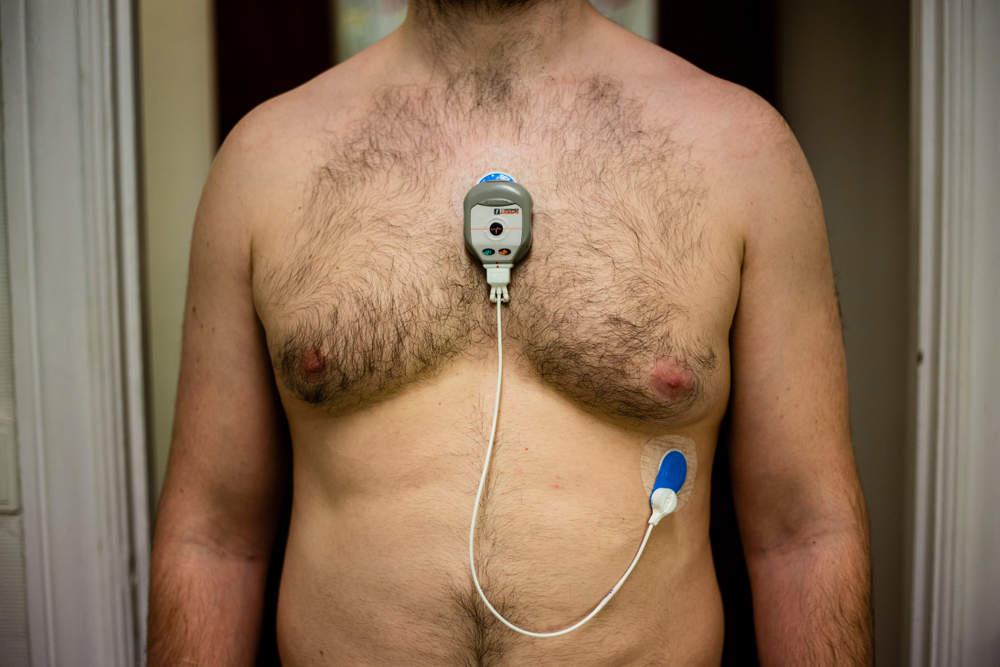
Loop recorder implants are small devices placed under the skin that provide long-term heart rhythm monitoring, often for a year or more. They help a cardiologist catch irregular heartbeats that come and go without warning, especially when standard tests fail to capture them. The procedure is quick, recovery is minimal, and results can guide treatment decisions with far more confidence.
Unexplained fainting spells or a racing heart that comes out of nowhere can be frightening, especially when every test so far has come back normal. That gap between symptoms and answers is exhausting for you and your loved one. Loop recorder implants exist to close that gap. By offering long-term heart sync monitoring, these small devices catch the irregular moments that a routine EKG simply cannot.
What Are Loop Recorder Implants and How Does Long-Term Heart Sync Monitoring Work?
A loop recorder implant is a tiny device, roughly the size of a USB drive, placed just under the skin of the chest. It continuously records your heart’s electrical activity, capturing data around the clock instead of during a single office visit.
This is what makes long-term heart sync monitoring so valuable. Some heart rhythm problems only appear once every few weeks or months. A short-term monitor can easily miss them. A loop recorder implant stays in place for months, sometimes years, quietly waiting to catch the moment your heart falls out of sync.
Who Needs a Loop Recorder Implant?
Your cardiologist may recommend one if you have experienced:
- Unexplained fainting. Episodes with no clear cause deserve a closer look.
- Palpitations. A fluttering or racing heartbeat that comes and goes unpredictably.
- Stroke of unknown origin. Long-term heart sync monitoring can help identify hidden causes like atrial fibrillation.
- Family history of arrhythmia. A history of heart rhythm problems may prompt earlier, more thorough monitoring.
What to Expect During and After the Procedure
The insertion procedure is brief, often less than 20 minutes, and performed under local anesthesia. Most patients go home the same day.
Afterward, you can return to most normal activities quickly. Your loop recorder implant transmits data automatically, so there is no need for constant check-ins or manual logging. You simply live your life while the device does its work in the background.
How a Cardiologist Uses Loop Recorder Data
Once the device begins recording, your cardiologist reviews the data to identify patterns that would otherwise go unnoticed. This might mean spotting a brief but dangerous arrhythmia, confirming that symptoms are unrelated to the heart, or adjusting medication based on what the heart is actually doing over time.
This kind of long-term heart sync monitoring turns guesswork into evidence. Instead of waiting for another episode to happen during a doctor’s visit, your cardiologist has a detailed record to work from, which often leads to faster, more accurate treatment decisions.
Finding Support at a Cardiology Clinic in Brooklyn
Living with unanswered heart symptoms takes a toll, and you should not have to navigate it without guidance close to home. A cardiology clinic in Brooklyn can offer both the technology and the personal attention needed to make loop recorder implants feel like a manageable step rather than an intimidating one.
Choosing a cardiology clinic in Brooklyn also means shorter wait times for follow-up appointments and a care team that already understands your medical history, which can make the entire monitoring process feel less overwhelming.
You Are Not Alone in This
Unanswered heart symptoms are unsettling, but they do not have to stay that way. Loop recorder implants and long-term heart sync monitoring give you and your cardiologist the clarity needed to move forward with confidence. Reach out to our Cardiology team today by calling +1-718-367-2555 or visiting us at 1797 Pitkin Avenue, Brooklyn, NY 1121 to learn whether a loop recorder implant is the right next step for you or your loved one.