Vascular malformations are complex, often misunderstood conditions—but advances in diagnostics and mapping are reshaping how they’re identified and treated. This post breaks down what these conditions are, how today’s technology helps detect them with greater precision, and what patients can expect from a modern vascular clinic in Brooklyn.
What Are Vascular Malformations?
Vascular malformations are abnormalities in the development of blood vessels—veins, arteries, capillaries, or lymphatic channels. Unlike vascular tumors, they are present from birth and grow proportionally with the body rather than dividing independently.
They range widely in type and severity:
- Venous malformations – the most common type, involving dilated, abnormal veins
- Arteriovenous malformations (AVMs) – direct connections between arteries and veins, bypassing capillaries
- Lymphatic malformations – abnormal lymphatic channels that can cause swelling and infection
- Capillary malformations – commonly known as port-wine stains
Symptoms depend on location and size, from visible skin changes to deep pain, swelling, or—in severe cases—significant complications affecting organ function.
How Modern Diagnostics Are Improving Detection
Early, accurate diagnosis is essential. Vascular malformations are frequently misdiagnosed or overlooked for years, leading to delayed treatment and unnecessary complications.
Advanced Imaging Techniques Used Today
Modern diagnostics have moved well beyond basic X-rays. Today, a skilled vascular surgeon uses a combination of imaging tools to build a precise, three-dimensional picture of the malformation.
Key diagnostic tools include:
- MRI (Magnetic Resonance Imaging) – the gold standard for soft-tissue detail; identifies malformation type, depth, and extent without radiation.
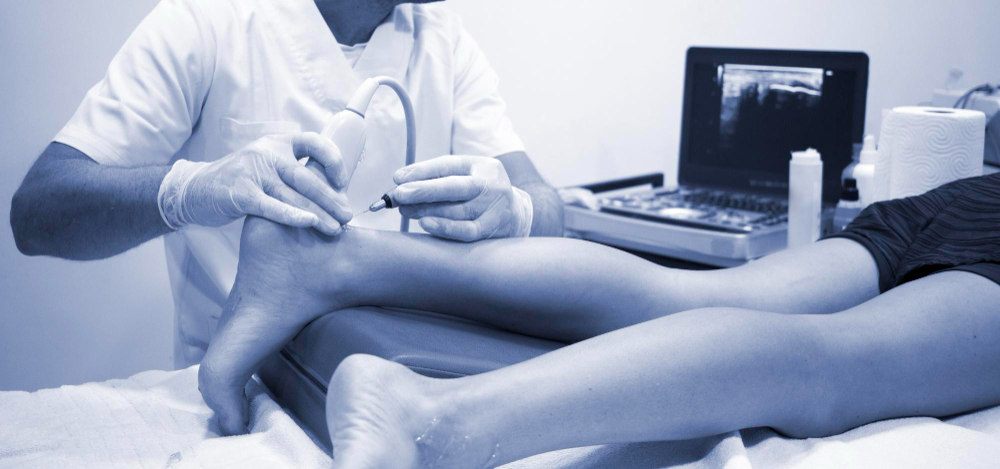
- Ultrasound with Doppler – evaluates blood flow patterns in real time; particularly useful for venous and arteriovenous malformations.
- CT Angiography – delivers high-resolution images of vascular structures, ideal for complex or deep malformations.
- Conventional Angiography – used when intervention is planned; provides detailed mapping of blood flow.
Each tool serves a distinct purpose. MRI excels in characterization, while angiography shines in pre-procedural planning. The combination drives confidence in diagnosis.
The Role of Vascular Mapping
Vascular mapping takes diagnostics a step further. By creating detailed anatomical diagrams of abnormal vessels, specialists can:
- Pinpoint the exact location and size of the malformation
- Identify feeding vessels and drainage patterns
- Plan minimally invasive procedures with greater accuracy
- Reduce risk during treatment
For a patient visiting a vascular clinic in Brooklyn, this level of detail directly impacts outcomes. Precise mapping means fewer surprises during intervention and a clearer recovery pathway.
What Treatment Looks Like After Diagnosis
Once a malformation is fully characterized, treatment options depend on type, size, symptoms, and patient history. A vascular surgeon may recommend:
- Sclerotherapy – a minimally invasive injection that shrinks abnormal vessels
- Embolization – blocking blood supply to the malformation to reduce its size
- Surgical resection – reserved for accessible malformations that haven’t responded to other treatments
- Laser therapy – commonly used for superficial capillary malformations
In many cases, a multidisciplinary team—including interventional radiologists, dermatologists, and surgical specialists—collaborates on care. This integrated approach improves both precision and patient experience.
Taking the Next Step With Your Care
Vascular malformations are rarely straightforward, but the path forward doesn’t have to feel uncertain. With the right diagnostic tools and a skilled care team, patients gain clarity—not just about their condition, but about their options.
Our vascular team is equipped with advanced imaging technology and experienced specialists committed to accurate diagnosis and individualized treatment planning. Whether you’re seeking a second opinion or starting your diagnostic journey, a consultation with our vascular team is the right place to begin. Reach out today by calling 1-347-384-5690 or visiting us at 1797 Pitkin Avenue, Brooklyn, New York 11212 to schedule your evaluation.