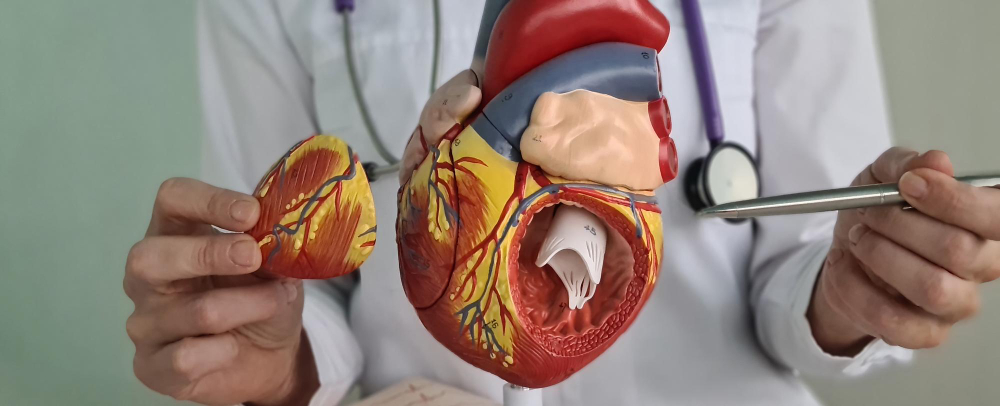
Chest pain is frightening, especially when tests come back normal. If you have been told your coronary arteries are clear, but you still feel that tightness in your chest, you are not imagining things. This condition is known as microvascular angina, and it explains why clear coronary arteries still cause chest pain for so many patients. You deserve answers, and a qualified cardiologist can help you find them.
What Is Microvascular Angina?
Microvascular angina happens when the tiny blood vessels feeding your heart do not function properly, even though the larger coronary arteries look healthy on standard tests. These small vessels can narrow or spasm, limiting blood flow to your heart muscle. This is why standard angiograms often miss the problem, leaving patients confused and worried.
Common Symptoms
You may notice chest pain or pressure, shortness of breath, fatigue, or discomfort during everyday activities like climbing stairs. These symptoms can come and go, making them easy to dismiss until they start interfering with daily life.
Risk Factors to Know
Women, especially after menopause, face a higher risk. Diabetes, high blood pressure, and high cholesterol also increase your chances of developing this condition. If any of these apply to you, it is worth having an honest conversation with your doctor.
Diagnosing Microvascular Angina
Getting the right diagnosis takes patience and the right tools. Because standard angiograms often appear normal, your cardiologist may need to look deeper.
Diagnostic Tests Used
Cardiac MRI, stress echocardiograms, and coronary flow reserve testing can reveal problems in the smaller vessels. A specialized cardiology clinic in Brooklyn will have access to this advanced testing, so you are not left without answers after a routine test comes back clean.
Treatment Options That Can Help
Treatment usually starts with medication, such as beta blockers, calcium channel blockers, or nitrates, to improve blood flow and ease symptoms. Your cardiologist will tailor this plan to your specific needs, since no two hearts respond the same way.
Lifestyle changes make a real difference too. Managing blood pressure, cholesterol, and blood sugar levels can reduce strain on these small vessels over time. You are not alone in this process. A dedicated care team can guide you step by step.
Preventing Microvascular Angina
Prevention centers on protecting your overall cardiovascular health. Regular exercise, a heart-healthy diet, and avoiding tobacco all support healthy blood vessel function. Routine checkups with a cardiologist allow small changes to be caught early, before they become bigger problems.
Getting the Care You Deserve
Living with unexplained chest pain is exhausting, but you do not have to keep searching for answers alone. Microvascular angina is a real and treatable condition, and a knowledgeable cardiologist can help you manage it with confidence. Our Cardiology team works closely with every patient to build a plan that fits their life, not just their diagnosis.
If chest pain has been part of your story, reach out to our team today by calling +1-718-367-2555 or visiting us at 1797 Pitkin Avenue, Brooklyn, NY 1121 to take the next step toward feeling like yourself again.