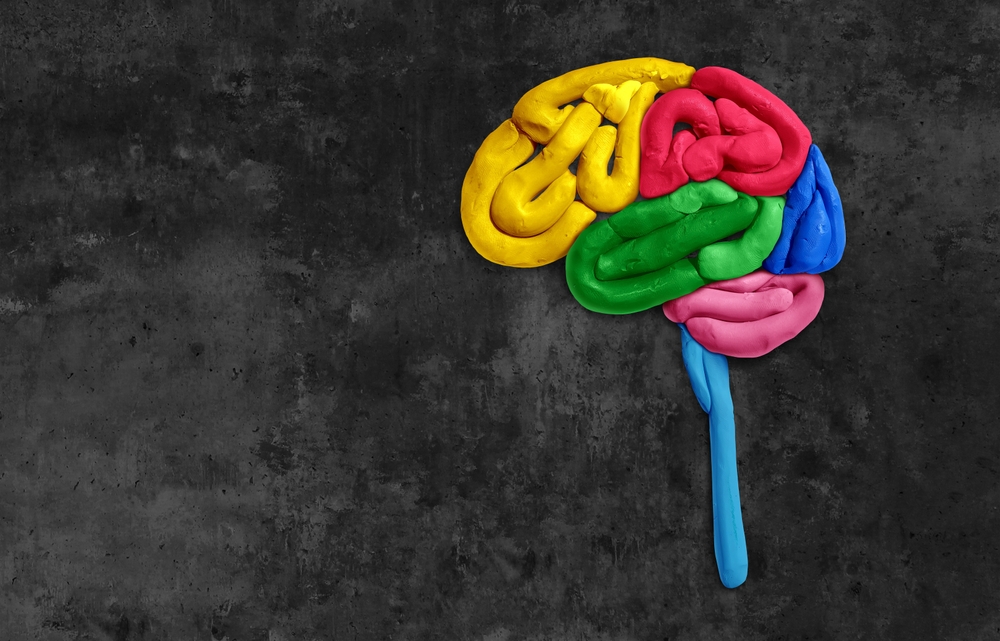
Chronic pain is often described as a physical sensation, but it is deeply rooted in the brain’s neural pathways. When pain persists for months or years, the brain changes, becoming more sensitive to signals it interprets as danger. This is where the powerful combination of mindfulness-based stress reduction and neuroplasticity comes into play. It offers a way to reverse these changes without medication. While traditional treatments often focus on the site of the injury, this approach targets the processing center: the mind. Understanding how MBSR and neuroplasticity are helpful in chronic pain relief empowers patients to take an active role in their recovery. Instead of being passive recipients of care, you can learn to retrain your brain to react differently to discomfort. This article explores the science behind rewiring your neural circuits and how you can start this journey today. Visit the best Pain Management Clinic in Brooklyn at Doral Health & Wellness, or log on to https://doralhw.org/contact-us/ to schedule an appointment with us.
The Link Between Mindfulness-Based Stress Reduction and Neuroplasticity
To understand why this therapy works, we must first look at neuroplasticity—the brain’s incredible ability to reorganize itself by forming new neural connections. For a long time, scientists believed the adult brain was fixed. Now, we know it is malleable.
Unfortunately, neuroplasticity has a dark side. In chronic pain patients, the brain “practices” feeling pain, strengthening the neural pathways associated with suffering. This is often why pain persists long after a physical injury heals.
MBSR interrupts this cycle. By practicing mindfulness—the act of non-judgmental awareness of the present moment—you stop reinforcing the “pain loop.” Over time, the connection between mindfulness-based stress reduction and neuroplasticity leads to structural changes in the brain. Studies show that regular meditation can shrink the amygdala (the fear center) and thicken the prefrontal cortex (responsible for emotional regulation), effectively quieting the brain’s alarm system.
How MBSR and Neuroplasticity Are Helpful in Chronic Pain Relief
Patients often ask how MBSR and neuroplasticity are helpful in chronic pain relief when the pain feels so physical. The answer lies in decoupling the sensation from the emotional reaction.
Breaking the Cycle of Suffering
Pain consists of two parts:
- Primary Suffering: The actual physical sensation (throbbing, burning).
- Secondary Suffering: The emotional reaction (fear, anxiety, “will this ever end?”).
MBSR trains the brain to observe the primary sensation without adding the secondary layer of stress. This reduces the overall burden of pain significantly.
Key Techniques Used in MBSR
- Body Scan: Systematically focusing attention on different parts of the body to release tension.
- Mindful Breathing: Using the breath as an anchor to return to the present moment when pain distracts you.
- Sitting Meditation: Building the “muscle” of focus and emotional regulation.
Many pain management doctors now recommend these techniques as a complement to medical treatments because they address the psychological component of pain that medication often misses.
Integrating Mindfulness into Medical Care
While mindfulness is a personal practice, it works best when guided by professionals. Our forward-thinking pain management clinic in Brooklyn will often integrate MBSR principles into a comprehensive treatment plan.
The Role of Professional Guidance
Self-guided meditation apps are helpful, but working with specialists ensures you are applying the techniques correctly for pain relief. Pain management doctors can monitor your progress and adjust your overall care plan as your reliance on medication potentially decreases.
For residents in New York, visiting Doral Health & Wellness Pain Relief Department in Brooklyn can provide access to workshops or referrals to certified MBSR instructors who understand the specific challenges of living with chronic pain.
The journey to relief doesn’t always begin with a prescription pad; sometimes, it begins with a breath. The synergy of mindfulness-based stress reduction and neuroplasticity offers a scientifically backed path to reclaiming your life from chronic pain. By understanding how MBSR and neuroplasticity are helpful in chronic pain relief, you can start to rewire your brain, turning down the volume on pain signals and turning up your capacity for joy. If you are ready to explore a holistic approach to healing, do not walk this path alone. Reach out to the experts at our pain management clinic in Brooklyn to see how mindfulness can fit into your recovery strategy. Visit the Doral Health & Wellness Pain Relief Department in Brooklyn to get professional help and guidance on how to manage your problem. Call us at +1-718-367-2555 to get a consultation. If you need help learning coping methods, register your information and make direct contact with our doctors at https://yuz88hfiyh7.typeform.com/Doralintake. Log on to www.doralhw.org. Or visit us at 1797 Pitkin Avenue, Brooklyn, NY 11212.