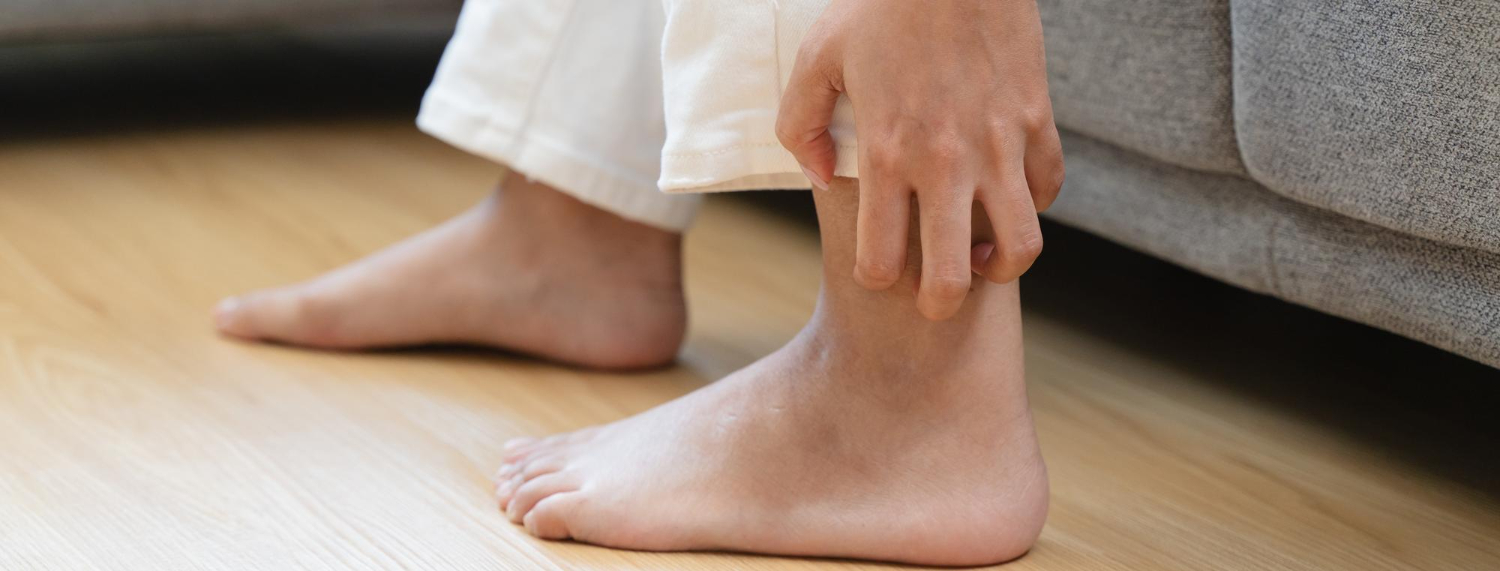
That first step out of bed should not feel like a punishment. For many people, morning heel stiffness is one of the most frustrating parts of living with Achilles tendonitis — that sharp, tight pain that greets you before the day even begins.
The good news is that morning heel stiffness from Achilles tendonitis is manageable. With the right combination of stretches, supportive tools, and professional guidance, you can move more comfortably and protect your tendon from further damage. This post walks you through what is happening in your heel and what you can do about it.
What Is Achilles Tendonitis?
The Achilles tendon connects your calf muscles to your heel bone. It is the longest tendon in your body and absorbs an enormous amount of force with every step. Achilles tendonitis occurs when that tendon becomes inflamed, usually from overuse or repeated stress.
Pain and stiffness are most intense in the morning because the tendon tightens and loses flexibility during sleep. When you stand up, the sudden load on an already irritated tendon causes that familiar ache at the back of the heel.
Common causes include sudden increases in activity, tight calf muscles, unsupportive footwear, and exercising on hard surfaces. Runners, walkers, and people who spend long hours on their feet are especially prone to developing this condition.
Ways to Fix Morning Heel Stiffness from Achilles Tendonitis
Morning stiffness does not have to be your new normal. These are some of the most effective ways to fix morning heel stiffness and protect your Achilles tendon over time.
Morning Stretching Routine
Before your feet hit the floor, take two to three minutes to stretch your calf and Achilles tendon. A simple towel stretch — looping a towel around the ball of your foot and gently pulling it toward you while keeping your leg straight — can reduce that initial tightness significantly.
Once you are standing, try slow heel raises and gentle calf stretches against a wall. Doing this consistently each morning helps warm up the tendon before it has to bear your full body weight.
Night Splints
Night splints hold your foot in a slightly flexed position while you sleep, keeping the Achilles tendon gently stretched through the night. This reduces the contraction that causes morning stiffness in the first place.
Many people notice a meaningful improvement in their first steps after just a few nights of consistent use. A podiatrist can recommend the right type of night splint based on the severity of your symptoms.
Supportive Footwear and Orthotics
Walking barefoot on hard floors first thing in the morning puts unprotected stress on an already inflamed tendon. Supportive footwear — even just a pair of well-cushioned slippers — makes a real difference.
Custom orthotics prescribed by a podiatrist can address the specific biomechanical factors contributing to your Achilles tendonitis. A slight heel lift reduces tension on the tendon, and arch support helps distribute pressure more evenly across your foot.
Ice and Compression
After activity or at the end of the day, applying ice to the back of the heel for 15 to 20 minutes can reduce inflammation and discomfort. Wrap the ice pack in a cloth to protect your skin, and keep your foot elevated if possible.
Compression sleeves or bandages can also help manage swelling. These are simple, low-cost tools that complement the rest of your treatment plan.
Physical Therapy
Physical therapy addresses the root causes of Achilles tendonitis, not just the symptoms. A physical therapist will guide you through targeted strengthening exercises — particularly eccentric heel drops — that rebuild tendon resilience and reduce pain over time.
Research consistently supports eccentric loading exercises as one of the most effective treatments for Achilles tendonitis. A structured physical therapy program gives you the tools to recover and helps prevent the condition from coming back.
When to See a Podiatrist
Some heel pain responds well to home care. But there are times when professional evaluation matters.
See a podiatrist if your morning stiffness has lasted more than a few weeks, if the pain is getting worse rather than better, or if you notice swelling, warmth, or tenderness along the tendon itself. These signs may indicate a more serious injury, including a partial tendon tear, that requires prompt attention.
Early intervention almost always leads to faster recovery. Waiting too long can turn a manageable condition into a longer, more difficult one.
Finding a Podiatry Clinic in Brooklyn
Persistent heel pain deserves professional care from someone who understands foot mechanics and can create a plan specific to you. A podiatry clinic in Brooklyn can assess whether your symptoms are consistent with Achilles tendonitis or point to something else entirely.
Receiving care close to home also means you can follow up consistently, which matters a great deal for tendon injuries. Recovery from Achilles tendonitis is not a one-visit process. Continuity of care — from diagnosis through rehabilitation — leads to better outcomes and a lower chance of the condition returning.
A local podiatrist can also coordinate with other providers if your care involves physical therapy, orthotics, or imaging, keeping everything connected and manageable.
Take the Next Step Toward Healing
Morning heel stiffness from Achilles tendonitis is uncomfortable, but it is not something you have to simply push through. The right stretches, footwear, and professional support can help you move more freely and protect your tendon from worsening.
You do not have to figure this out on your own. Reach out to our Podiatry care team today by calling +1 718 367 2555 or visit us at 1797 Pitkin Avenue, New York, NY 11212 to schedule an evaluation with one of our podiatrists. We are here to help you get back on your feet, one step at a time.