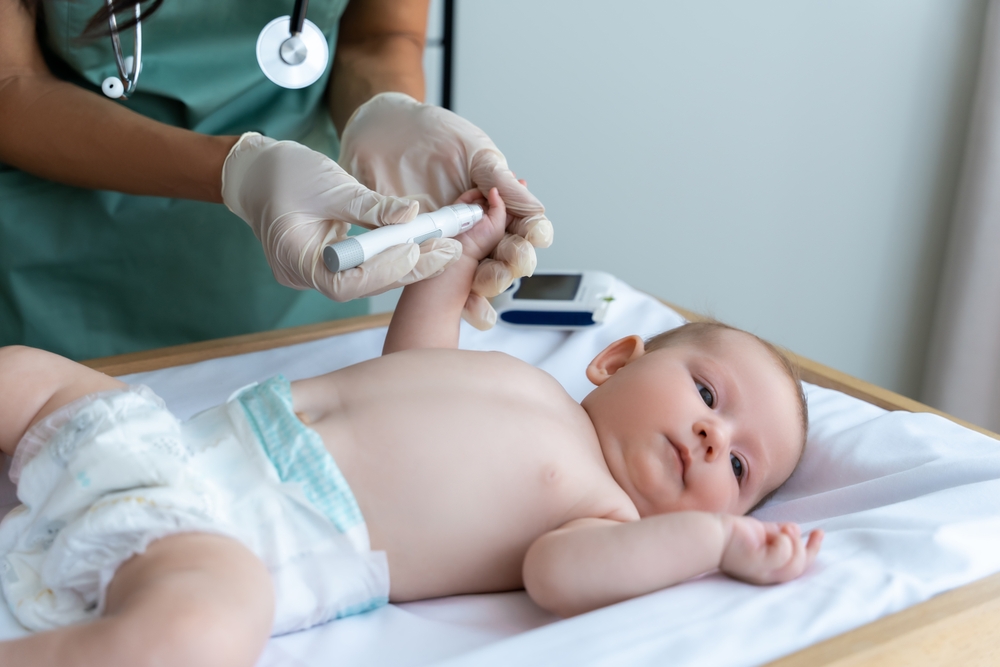
A diabetes diagnosis is a life-altering event, but when it occurs within the first six months of life, it presents a unique set of challenges for parents and caregivers. This article provides a comprehensive guide on neonatal diabetes, a rare condition that requires specialized knowledge and care. We will explore the primary neonatal diabetes causes, symptoms, and the latest treatment approaches. Understanding this condition is the first crucial step toward managing it effectively and ensuring the best possible outcome for the child. At Doral Health & Wellness, we have all the answers you need.
Understanding Neonatal Diabetes
Neonatal Diabetes Mellitus (NDM) is a monogenic form of diabetes, meaning it’s caused by a mutation in a single gene. It is diagnosed in infants under six months of age and is extremely rare, affecting approximately 1 in 90,000 to 160,000 live births. Unlike type 1 diabetes, it is not an autoimmune disease where the body attacks its own insulin-producing cells. Instead, a genetic mutation impacts the baby’s ability to produce or use insulin effectively, leading to high blood sugar levels (hyperglycemia).
There are two main categories of neonatal diabetes:
- Transient Neonatal Diabetes Mellitus (TNDM): This form accounts for about 50-60% of cases. The condition appears within the first few weeks of life and typically resolves by 18 months. However, there is a high likelihood of the diabetes returning later in life, often during adolescence or early adulthood.
- Permanent Neonatal Diabetes Mellitus (PNDM): In this form, the high blood sugar levels do not go away. The condition requires lifelong management and treatment.
Exploring Neonatal Diabetes Causes and Risk Factors
The root of neonatal diabetes lies in genetics. Specific gene mutations are responsible for the development of the condition. More than 20 different genes have been identified as causes of NDM. The most common genetic causes involve mutations in the KCNJ11 and ABCC8 genes, which are crucial for insulin secretion from the pancreas.
- Genetic Inheritance: In many cases, the genetic mutation is spontaneous (de novo), meaning it is not inherited from the parents. In other instances, it can be passed down from a parent who may or may not have diabetes themselves.
- Intrauterine Growth Restriction: A common feature associated with neonatal diabetes is a lower-than-average birth weight for the baby’s gestational age. This is often one of the first signs that alerts medical professionals to a potential issue.
A pediatric endocrinologist or a specialized diabetologist can help families navigate the complexities of genetic testing to determine the exact cause.
A Comprehensive Guide on Neonatal Diabetes: Symptoms and Diagnosis
Recognizing the signs of neonatal diabetes early is critical for a timely diagnosis and the prevention of serious complications.
Key Symptoms to Watch For
Newborns with NDM may exhibit a range of symptoms, including:
- Poor weight gain or failure to thrive.
- Frequent urination, leading to unusually wet diapers.
- Increased thirst and dehydration.
- Elevated blood sugar levels are found in blood or urine tests.
- In severe cases, diabetic ketoacidosis (DKA), a life-threatening condition marked by high levels of ketones in the blood.
The Diagnostic Process
If a doctor suspects neonatal diabetes, they will perform a series of tests to confirm the diagnosis.
- Blood Glucose Testing: A blood test will be done to measure the baby’s glucose levels. Persistently high levels are a primary indicator of diabetes.
- Antibody Testing: To differentiate NDM from type 1 diabetes (which is exceptionally rare in this age group), doctors test for the specific autoantibodies associated with autoimmune diabetes. The absence of these antibodies points toward a monogenic form like NDM.
- Genetic Testing: The definitive diagnosis is made through genetic testing. A blood sample from the infant (and sometimes the parents) is analyzed to identify the specific gene mutation responsible. This test is vital because it not only confirms the diagnosis but also guides the treatment plan.
Treatment and Long-Term Management
The treatment for neonatal diabetes is highly dependent on the underlying genetic cause. This is why genetic testing is so important.
For many infants with mutations in the KCNJ11 or ABCC8 genes, a remarkable treatment option exists. These babies often respond exceptionally well to high doses of oral medications called sulfonylureas (like glibenclamide). This medication helps the pancreas release insulin. In many cases, infants who were started on insulin injections can successfully transition to this much simpler oral therapy.
For other genetic forms of NDM, insulin therapy remains the primary treatment. A qualified diabetologist will work closely with the family to develop a precise insulin regimen that keeps the baby’s blood sugar levels within a target range. Continuous glucose monitoring (CGM) systems are often used to track glucose levels in real-time, providing greater control and peace of mind.
Managing neonatal diabetes requires a dedicated team of specialists. Finding a reputable diabetes clinic in Brooklyn or your local area ensures access to pediatric endocrinologists, dietitians, and diabetes educators who can provide ongoing support.
Living with a Neonatal Diabetes Diagnosis
A diagnosis of neonatal diabetes can feel overwhelming, but advancements in genetics and treatment have transformed the outlook for these children. With an accurate diagnosis and a personalized care plan, infants with NDM can thrive. For parents, connecting with a knowledgeable healthcare team and seeking support from other families facing similar challenges can make a significant difference. If you are seeking expert care, a specialized diabetes clinic in Brooklyn can offer the comprehensive services needed to manage this rare but treatable condition. If you need help with diabetes management, visit us to get professional medical help. Our diabetologists create personalized treatment plans to ensure that you lead a fulfilling life. Book your appointment now, call us on + 1-718-367-2555 to get your condition treated! Learn more about Diabetes at www.doralhw.org. and stay up to date on current health topics and new research. If you need help, register your information and make direct contact with us at https://yuz88hfiyh7.typeform.com/Doralintake. Or visit us at 1797 Pitkin Avenue, Brooklyn, NY 11212.