When managing chronic venous insufficiency (CVI), treatments like compression stockings and medical procedures often take center stage. However, there is a powerful tool you can control every day: your diet. Understanding the role of diet in reducing inflammation and improving vascular health is essential for anyone living with this condition. The right nutrition can have a significant impact. This article explores how nutrition improves chronic venous insufficiency by strengthening veins, reducing swelling, and fighting inflammation. We will also highlight some of the best foods for vascular health to add to your daily meals. Get a consultation with the best vascular disease specialists in Brooklyn.
How Nutrition Improves Chronic Venous Insufficiency
CVI involves inflammation, high pressure in the veins (venous hypertension), and weakened vein walls. A well-balanced diet can address these core issues in several ways. It can help manage your weight, reducing excess pressure on your leg veins. It can also provide the essential nutrients needed to strengthen blood vessels and reduce the body’s inflammatory response. While diet alone cannot cure CVI, it is a critical component of a comprehensive management plan. A vascular specialist can offer guidance on combining dietary changes with medical treatments for the best results.
The Power of Anti-Inflammatory Foods
Inflammation is a key driver of symptoms in CVI, contributing to pain, swelling, and skin damage. An anti-inflammatory diet, rich in antioxidants, can help calm this response. Antioxidants are compounds that neutralize harmful free radicals in the body, which can damage cells, including those lining your blood vessels.
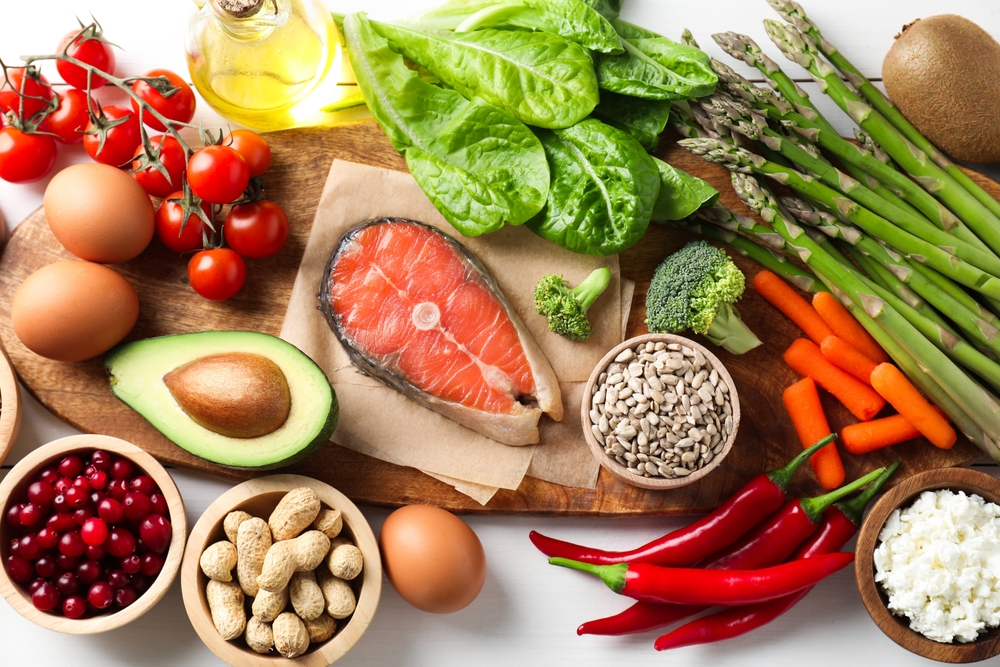
Key anti-inflammatory foods include:
- Berries: Blueberries, strawberries, and raspberries are packed with antioxidants called anthocyanins.
- Leafy Greens: Spinach, kale, and other greens are rich in vitamins and antioxidants.
- Nuts and Seeds: Almonds and walnuts provide healthy fats and vitamin E, a potent antioxidant.
- Fatty Fish: Salmon, mackerel, and sardines are high in omega-3 fatty acids, which are known for their powerful anti-inflammatory properties.
Maintaining a Healthy Weight
Excess weight places additional pressure on the veins in your legs, making it harder for them to pump blood back to the heart. This can worsen CVI symptoms like swelling and varicose veins. A diet focused on whole, unprocessed foods can help you achieve and maintain a healthy weight, thereby reducing the strain on your vascular system.
The Role of Diet in Reducing Inflammation and Improving Vascular Health
Certain nutrients play a direct role in the structure and function of your veins. Incorporating foods rich in these compounds can make a noticeable difference in managing your CVI.
Best Foods for Vascular Health: Flavonoids for Vein Strength
Flavonoids are a group of plant compounds known for their antioxidant and anti-inflammatory effects. Some flavonoids, particularly rutin and diosmin, have been shown to improve vein health. They can help reduce vein leakage, improve vein tone, and decrease swelling.
You can find beneficial flavonoids in:
- Rutin-Rich Foods: Buckwheat, apples, figs, and most citrus fruits are excellent sources of rutin.
- Diosmin Sources: Diosmin is most commonly found in citrus fruits, especially in the peels. While often taken as a supplement, eating whole citrus fruits contributes to your intake.
Fiber for Fluid Balance and Regularity
A high-fiber diet is important for two main reasons in CVI management. First, fiber helps prevent constipation. Straining during bowel movements increases pressure in the abdomen, which can impede blood flow from the legs and worsen venous hypertension.
Second, soluble fiber can help manage fluid retention. Excellent sources of dietary fiber include:
- Oats and barley
- Legumes (beans, lentils, chickpeas)
- Fruits (apples, pears, bananas)
- Vegetables (broccoli, carrots, Brussels sprouts)
Hydration and Sodium Intake
Proper hydration is essential for good circulation. Drinking plenty of water helps thin the blood, making it easier for your veins to pump. Conversely, a high-sodium diet can cause your body to retain water, leading to increased swelling (edema) in your legs and ankles. It’s important to limit processed foods, canned soups, and fast food, which are often high in sodium. Reading food labels can help you make lower-sodium choices. If you need help creating a meal plan, consider discussing your options with your vascular specialist.
When to Seek Professional Guidance
While dietary changes can significantly support your vascular health, they are most effective when part of a broader treatment plan. If you experience persistent leg swelling, pain, skin discoloration, or have varicose veins, it’s crucial to consult a medical professional. An expert can provide an accurate diagnosis and recommend appropriate treatments. For those in New York, a consultation with a vascular surgeon in Brooklyn can provide access to advanced care options. In many cases, minimally invasive procedures may be needed to address the underlying cause of your CVI, and a vascular surgeon in Brooklyn can determine the best course of action.
The food you eat plays a vital role in managing chronic venous insufficiency. By focusing on the role of diet in reducing inflammation and improving vascular health, you can take a proactive step in controlling your symptoms. Incorporating the best foods for vascular health—such as those rich in flavonoids, fiber, and antioxidants—and limiting sodium can help reduce swelling, fight inflammation, and support stronger veins. When combined with professional medical advice, understanding how nutrition improves chronic venous insufficiency empowers you to better manage your condition and enhance your quality of life. For any vascular problems, call us on + 1-718-367-2555. The Vascular Disease Specialists at Doral Health & Wellness consistently have outstanding patient satisfaction ratings. The professionals at Doral Health & Wellness Vascular Health Department Brooklyn can improve your health and quality of life because of their vast training and experience. New Yorkers can get the greatest medical and surgical vascular care at Doral Health & Wellness Brooklyn. If you need help, register your information and make direct contact with our doctors at https://yuz88hfiyh7.typeform.com/Doralintake or send an email to info@doralhw.org. Visit us at 1797 Pitkin Avenue, Brooklyn, NY 11212.