Waiting for answers when you or a loved one feels sick is stressful. You want to know what is wrong, and you want to know now. That uncertainty is exactly where Polymerase Chain Reaction (PCR) testing can help.
PCR is one of the most reliable ways to find out if a virus or other pathogen is hiding in the body. Instead of waiting for symptoms to peak, this test looks for tiny amounts of a pathogen’s genetic material in a sample of blood, saliva, mucus, or tissue. It can catch infection in its earliest stages, often before you feel unwell. For families managing a diagnosis or recovery at home, that speed brings real peace of mind.
How Polymerase Chain Reaction Works
The idea behind PCR is simpler than it sounds. A small sample is placed in a machine called a thermal cycler, which copies a specific segment of genetic material over and over. Within about an hour, billions of copies are made, so even a trace of a virus becomes easy to detect.
Some viruses, including COVID-19, carry their genetic information as RNA. For these, the RNA is first converted into DNA before copying—a process called reverse transcription PCR. If you are caring for someone at home, our infectious disease services can help you understand which test fits their needs.
Key Benefits of PCR Testing for Infectious Diseases
Missed or delayed diagnoses can lead to worry, complications, and repeat visits. PCR helps close that gap. Here is why it matters:
- Early detection: PCR can find signs of illness before symptoms start, which helps prevent the spread of disease.
- High accuracy: It detects pathogens even when only a very small amount is present in the body.
- Broad reach: PCR is considered the best method for identifying many infections, including COVID-19 and HPV.
- Faster decisions: According to NIH research, PCR often delivers results in as little as one day, compared with cultures that can take weeks.
That speed can shorten hospital stays and reduce unnecessary antibiotic use, benefiting both patients and their families.
Simple, Low-Risk Sample Collection
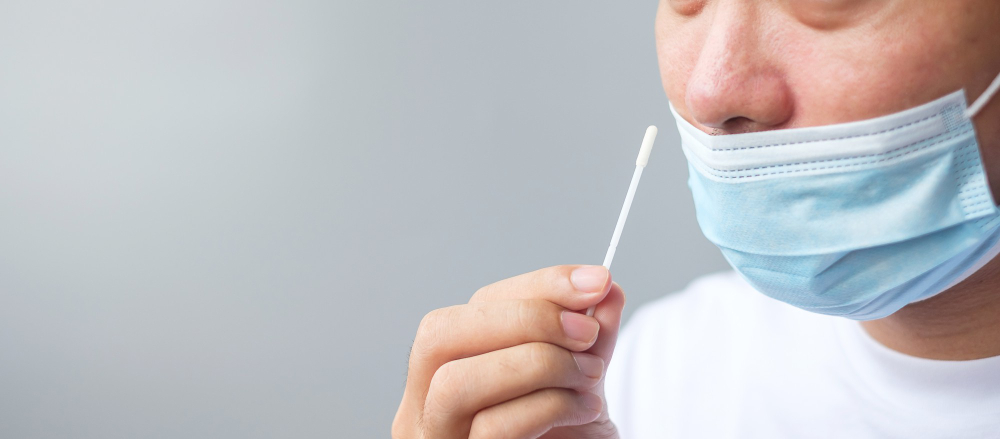
You do not need special preparation for a PCR test. A quick blood draw or nasal swab is usually all it takes. A blood test takes less than five minutes, and a nasal swab may only cause a brief tickle. These small steps give your care team the answers they need.
When to See a Specialist in Infectious Diseases
Some infections are hard to pin down. When symptoms linger, or a diagnosis feels unclear, a specialist in infectious diseases can order the right PCR panel and interpret the results with care. This is especially helpful for chronic conditions, post-surgery recovery, or a vulnerable family member at home.
A specialist in infectious diseases can also coordinate follow-up testing to track how treatment is working. You do not have to manage this alone—our infectious disease team is here to guide you.
Time to Seek Help
Fast, accurate answers change everything when a loved one’s health is on the line. With PCR testing and compassionate guidance, you can move from worry to a clear plan of care.
If you need an infectious disease doctor Brooklyn residents can rely on, reach out today by calling + 1-718-367-2555 or visiting us at 1797 Pitkin Avenue, Brooklyn, NY 11212 to schedule an evaluation with our Infectious Disease care team and get reassuring support. We’re just one call away.