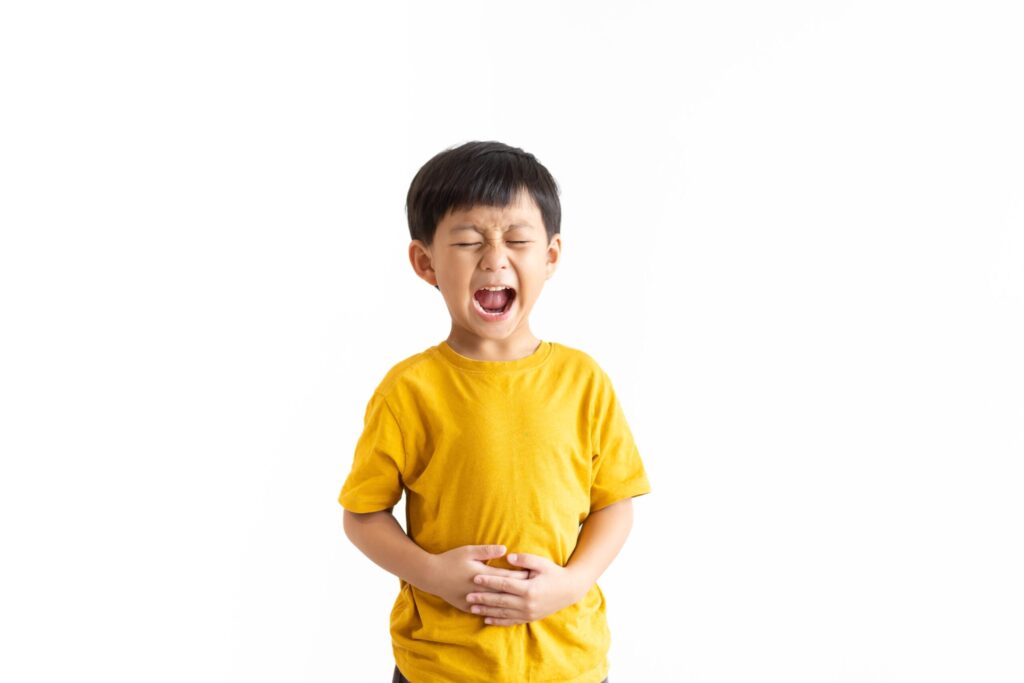
Is your child experiencing symptoms like persistent fatigue, stomach pain, unexplained weight loss, or rectal bleeding? These warning signs could point to a more serious digestive condition known as pediatric colitis. This inflammatory bowel disease affects the inner lining of the large intestine and can lead to chronic inflammation and painful ulcerations. While it’s a long-term condition without a definitive cure, early diagnosis and proper management can greatly improve your child’s quality of life.
At Doral Health & Wellness, we understand how overwhelming it can be for parents to navigate these health concerns. That’s why we’re here to guide you through the key symptoms, when to seek medical help, and what treatment approaches are available. From medication plans to nutritional guidance and long-term care coordination, there are effective strategies to manage pediatric colitis and support your child’s well-being.
Continue reading to learn how to recognize the signs of pediatric colitis and take action early.
For professional support, visit our clinic or explore more resources at doralhw.org.
Symptoms of Pediatric Colitis
Colitis symptoms in children can be mild to severe. While the most common symptom is bloody diarrhea, other symptoms include:
- Abdominal pain
- Fatigue
- Stomach pain
- Appetite loss
- Rectal bleeding
- Weight loss
- Anemia due to severe bleeding
- Loss of body fluids and nutrients
Sometimes children also experience additional problems, including:
- Skin lesions
- Joint pain
- Red, irritated eyes
- Swollen or painful joints
- Rashes or other skin problems
- Mouth sores
- Liver problems
- Kidney stones
- Rashes
- Osteoporosis
These symptoms of UC may resemble other conditions that require medical attention. See your doctor for a diagnosis.
Diagnosis
The doctor will perform a physical exam to diagnose colitis in children and ask questions about the child’s past and present symptoms and conditions. Sometimes UC runs in families, so, the doctor may also ask if you or any other relative have had similar symptoms. To confirm your diagnosis, the doctor may recommend some other tests, including:
- Blood test: This test is used to check the signs of inflammation or anemia.
- Stool test: A stool test is used to see if any abnormal bacteria in the stool may lead to infection and inflammation in the child’s digestive tract. A small stool sample is collected at the doctor’s office and sent to the lab.
- Colonoscopy: This procedure is used to see inside the large intestine to detect abnormal growths, inflamed tissue, ulcers, and bleeding. To do a colonoscopy, the doctor may insert a long, flexible, tube with a camera attached to one end through the child’s rectum to look inside the colon. The doctor may remove tissue from the colon and send it to the lab for a biopsy to discover other treatable problems.
- Upper endoscopy: This procedure is used to check the inside of the esophagus, stomach, and duodenum. To perform this test, the doctor will insert a flexible tube with a camera attached to one end of it through your child’s mouth to see the inside of your child’s digestive tract and take tissue samples for biopsy in a lab.
- Biopsy: During colonoscopy or upper endoscopy, the doctor takes tissue samples to check them under a microscope. This process is called biopsy. The tissue sample is mostly from the lining of the colon or might be taken from the end of the small intestine.
- Imaging tests: The doctor may use tests like Magnetic resonance enterography (MRE) or X-ray to examine inflammation and bowel disease. MRE is particularly beneficial for children because it allows doctors to see detailed images without exposing the child to unnecessary radiation. X-ray helps look at the large intestine to examine barium in the rectum as an enema, which is a metallic liquid that coats the inside of their organs. This also explores areas that are narrowed, blockages, and other issues.
Treatment options
To treat colitis in children, the doctor considers the child’s age, overall health, medical history, severity of the disease, and child’s tolerance for specific medications and procedures, and the expected course of the disease. Treatment that works for one patient may not work for another. Usually, the doctor may recommend any combination of the following treatment options:
- Medications: The doctor may prescribe medicines that reduce colon inflammation which can include amino salicylates, corticosteroids, and immunomodulators. If the child’s condition is severe, then the doctor may give steroids, antibiotics, or medicines that affect the body’s immune system.
- Diet: There’s no specific diet that cures this condition, however, if certain foods upset your child’s stomach, then staying away from those foods may reduce your child’s symptoms. A healthy diet is always advised.
- Hospitalization: In case your child’s symptoms are severe, the doctor recommends hospitalization for monitoring and treatment. They also ensure the child is getting the proper nutrition and fluids they need. Treatment focuses on stopping diarrhea and loss of blood, fluids, and minerals. Your child may be given a special diet, feeding through a vein, medication, and in some cases, surgery may be recommended.
- Surgery: While the majority of children with UC don’t need surgery as they can do better with medication and diet changes. However, 25 to 40% of children with UC eventually need surgery because they have heavy bleeding, tear of the colon, cancer risk, or severe illness. Sometimes, removing the colon is suggested if other medical treatment fails, or has side effects of steroids or other drugs that threaten the patient’s health. Several surgical options include:
- Proctocolectomy with ileostomy: This is the most common surgery: proctocolectomy means the removal of the complete colon and rectum while ileostomy means the creation of a small opening in the abdominal wall to the tip of the lower small intestine, the ileum is brought to the skin’s surface to allow drainage of waste.
- Ileoanal anastomosis: Sometimes, this surgery is performed, where the surgeon removes the diseased portion of the colon and preserves the outer muscles of the rectum. The ileum is then attached to the rectum by forming a pouch that holds the waste. This allows the child to pass stool through the anus in a normal manner, however, the bowel movements may be more frequent and more water than normal.
Ulcerative colitis in children is not quite common, however, if your child is showing symptoms of colitis such as stomach pain, bloody diarrhea, fatigue, and weight loss, then you should take your child to the doctor for a proper diagnosis and treatment. Usually, treatment is given with medications and diet changes, but sometimes, surgery is recommended if the symptoms are severe and don’t get better with other medical options.
Need help with colitis in children, visit our gastroenterology clinic in Brooklyn to get professional medical help for your child’s symptoms. Call us to book your appointment now!!!
You can schedule an appointment with Doral Health and Wellness Gastroenterology Center’s best gastroenterologist doctors in Brooklyn. If you are looking for treatments, you can also talk to our specialists and inquire with them. To schedule an appointment, please visit us at 1797 Pitkin Avenue, Brooklyn, New York 11212 or call 1-347-384-5690.