Pediatric flexible flatfoot is a common condition where a child’s foot arch appears flat while standing but reappears when the foot is lifted. Most children develop arches naturally between ages 3 and 10. Parents should watch for pain, stiffness, or arches that never develop by age 10, as these signs may call for a podiatrist’s evaluation.
Flat feet in young children are rarely a cause for alarm. In fact, nearly every baby is born with flat feet, and arches typically form gradually throughout childhood. Still, many parents wonder whether their child’s feet are developing normally or whether something needs attention.
This guide explains what pediatric flexible flatfoot is, outlines the arch development milestones every parent should track, and explains when it’s time to see a podiatrist.
What Is Pediatric Flexible Flatfoot?
Pediatric flexible flatfoot is a condition where a child’s foot appears flat when standing but shows a visible arch when the foot is lifted off the ground, or the child stands on their toes. This flexibility is what separates the condition from rigid flatfoot, which involves a structural issue that doesn’t change with position.
Flexible flatfoot is extremely common and usually painless. It happens because the tissues that support the arch, including ligaments and tendons, are still loose and developing. As children grow, walk, and build muscle strength, the arch typically rises on its own.
Arch Development Milestones Every Parent Should Track
Arch development follows a general timeline, though every child progresses at a slightly different pace. Tracking these milestones helps parents know what’s typical and when to seek guidance from a podiatrist.
Ages 1 to 3: Flat Feet Are Normal
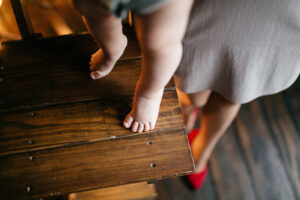
Toddlers almost always have flat-looking feet. A layer of baby fat cushions the arch area, making it hard to see any curve at all. This is a normal stage of early development and not a reason for concern.
Ages 3 to 6: Early Arch Formation
As children walk more and build leg strength, the fat pad begins to thin and the arch starts to take shape. Some children show a visible arch while standing; others may still appear flat but reveal an arch when standing on tiptoes.
Ages 6 to 10: Arches Typically Become Visible
Most children develop a noticeable arch during this stage. By age 10, the majority of kids have arches similar to what they’ll have as adults. If a flat appearance persists without any arch forming on the tiptoes, it may be worth discussing with a podiatrist.
Signs That Warrant a Visit to a Podiatrist
Flexible flatfoot is usually harmless, but certain signs suggest it’s time for a professional evaluation. Parents should schedule a visit with a podiatrist if their child experiences:
- Pain in the foot, ankle, or leg, especially after activity
- Stiffness or reduced range of motion in the foot
- Frequent tripping or difficulty keeping up with peers
- Uneven shoe wear patterns
- No visible arch forming by age 10, even when standing on toes
- Flat feet that don’t change shape, suggesting a rigid rather than flexible condition
Diagnosis and Treatment at a Podiatry Clinic in Brooklyn
A proper diagnosis starts with a physical exam. At a podiatry clinic in Brooklyn, a podiatrist will usually ask the child to stand, walk, and rise on their toes to check whether the arch reappears. This simple test helps confirm whether the flatfoot is flexible or rigid.
In some cases, a podiatrist may recommend imaging, such as X-rays, to rule out any structural or bone-related issues. Regular visits to a podiatry clinic in Brooklyn allow providers to track a child’s arch development over time and recommend treatment only when it’s truly needed.
Treatment Options
Most children with flexible flatfoot don’t need treatment, especially if there’s no pain or functional difficulty. When treatment is recommended, options may include:
- Observation – appropriate for most children, since arches often develop naturally with age
- Supportive footwear – shoes with proper arch support and cushioning for daily activity
- Orthotic inserts – custom or over-the-counter inserts to provide additional arch support when needed
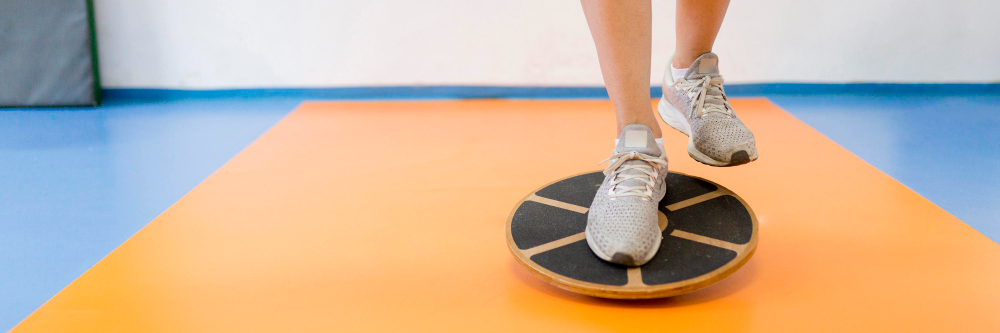
- Stretching exercises – to improve flexibility and strengthen the muscles supporting the foot
- Follow-up evaluations – periodic check-ins with a podiatrist to monitor progress through childhood
Get Expert Guidance
Flexible flatfoot is a normal part of childhood development for most kids, and arches usually form with time. Still, tracking these milestones helps parents know what to expect and when extra support might help. If you notice pain, stiffness, or arches that never seem to form, our podiatry team is here to help. Schedule an appointment today by calling +1-718-367-2555 or visiting us at 1797 Pitkin Avenue, Brooklyn, NY 1121 to get a clear picture of your child’s foot development.