Peripheral nerve stimulation is not typically a permanent, one-time fix for foot pain. Most patients start with a short trial period to see how well the therapy works before deciding on a permanent implant. Your pain management doctor will guide you through this process, and lasting relief often depends on your specific condition, your body’s response, and ongoing care.
Living with chronic foot pain can make even simple tasks, like walking to the mailbox or standing at the stove, feel exhausting. If you have tried medications, physical therapy, or injections without lasting success, your doctor may have mentioned peripheral nerve stimulation as a next step. It is natural to wonder whether this treatment offers permanent relief or simply another temporary solution. Here is what you need to know.
What Is Peripheral Nerve Stimulation?
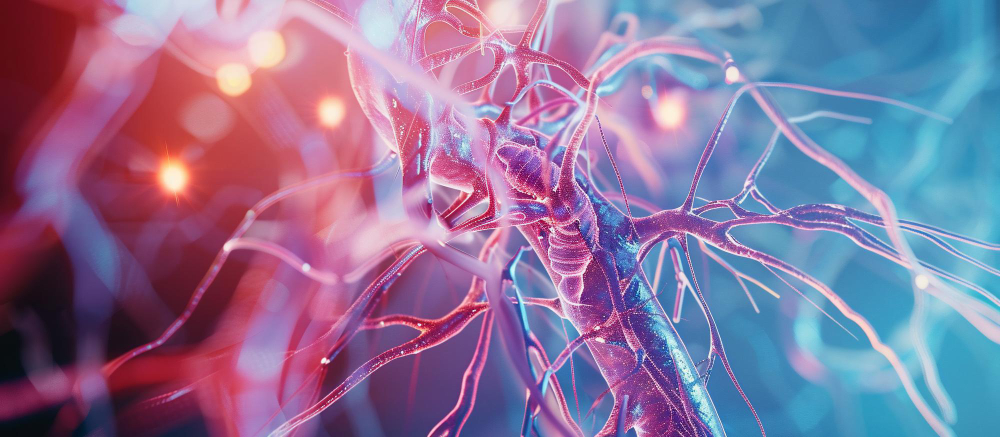
Peripheral nerve stimulation, often called PNS, is a treatment that sends mild electrical pulses to specific nerves outside the brain and spinal cord. These pulses interrupt pain signals before they reach the brain, which can significantly reduce how much pain you feel.
How the Device Works
A small device, about the size of a coin, is placed near the nerve causing your foot pain. It sends gentle electrical signals through a thin wire, calming the overactive nerve. Many patients describe the sensation as a light tingling rather than discomfort, and the device can often be adjusted to match your pain levels throughout the day.
Is Peripheral Nerve Stimulation a Permanent Fix for Foot Pain?
Peripheral nerve stimulation is not a guaranteed permanent cure, but it can provide long-term relief for many patients. Results vary depending on the cause of your pain, your overall health, and how your body responds to the therapy.
Trial vs. Permanent Implant
Most patients begin with a trial period lasting about a week. During this time, a temporary device helps determine whether the therapy meaningfully reduces your pain. If the trial goes well, your pain management doctor may recommend a permanent implant, which can continue providing relief for years with proper care and occasional adjustments.
What Your Pain Management Doctor Recommends
Your pain management doctor will evaluate your medical history, imaging results, and pain patterns before recommending peripheral nerve stimulation. This careful evaluation helps confirm that the treatment matches the true source of your foot pain, rather than masking a different underlying issue.
Tips from a Pain Management Clinic in Brooklyn
At a pain management clinic in Brooklyn, doctors often encourage patients to keep a simple pain journal before and after the trial period. Tracking your pain levels, activity limits, and any side effects gives your care team clear information to fine-tune your treatment plan.
What to Expect During Treatment
- A minimally invasive procedure. The device is placed using a small needle, and most patients go home the same day.
- Mild soreness. Some tenderness near the placement site is common and usually fades within a few days.
- Gradual adjustment. Your care team may adjust the device settings over several visits to find what works best for you.
- Ongoing monitoring. Regular check-ins with your pain management doctor help track your progress and address any concerns early.
Take the Next Step Toward Relief
You do not have to keep guessing whether peripheral nerve stimulation is right for your foot pain. Our Pain Management team is here to walk you through every step, from your first consultation to long-term care. Reach out today by calling +1-718-367-2555 or visiting us at 1797 Pitkin Avenue, Brooklyn, NY 1121 to schedule a visit and start moving toward a more comfortable, active life.