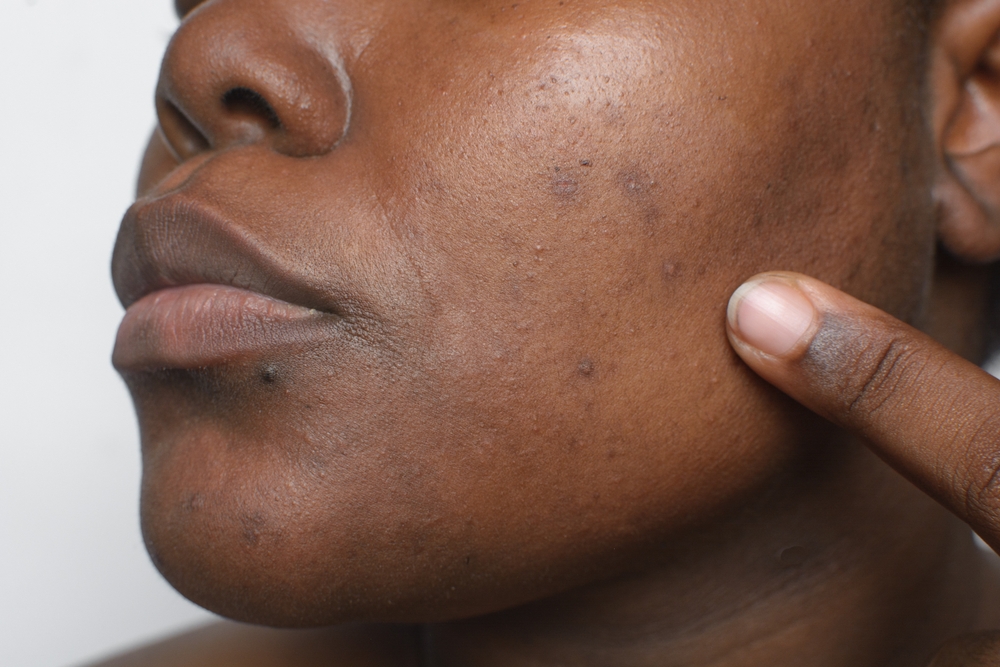
Pimple breakouts, though often considered a cosmetic concern, can deeply impact emotional well-being—especially in adolescents and young adults during critical stages of personality development. During adolescence, peer acceptance is crucial, and studies show a strong connection between physical appearance and social status. Persistent acne and pimples can make teens feel isolated or judged, leading to low self-esteem, anxiety, and even depression.
Even in adulthood, pimples can diminish self-confidence, limit social interactions, and negatively affect professional and personal relationships. These emotional effects are not just temporary; they can influence long-term mental health if left unaddressed.
Learn in detail how acne and pimple-related concerns affect mental health in this article. If you’re noticing persistent breakouts or changes in your skin’s appearance, don’t wait—consult the best dermatologist in East New York. Contact Dermatology – Doral Health & Wellness NY for expert evaluation and personalized care.
The mental health effect of Acne & Pimples
Here are the major mental health problems that people face with acne:
Loss of confidence:
When acne appears on your face, it can lower your self-esteem because you may start feeling insecure and embarrassed about your looks. This self-consciousness is so intense that people even avoid taking part in pictures with friends and family, asking someone out for a date, or asking for a promotion, for instance.
In teens, many people are subjected to teasing and bullying because of their skin, which directly affects their self-confidence and the building of their personalities. One 2011 study shows that people with moderate to severe acne are less likely to pursue romantic relationships. The reason is obvious because they feel embarrassed to open up about them. What you and people need to understand- Acne is a common skin condition that can occur to anyone and it’s completely cosmetic and treatable. So, don’t let this fact affect your life, and avoid taking it seriously. Your personality is formed from your habits and behaviors, not from this.
It makes you depressed:
Depression is quite common in people with acne, especially if you’re suffering from long-lasting or severe acne. Experts have found plenty of evidence that people with acne are 2 to 3 times more likely to develop depression compared to average people without any dermatological condition. This is common people don’t want others to see or hate the way they look, which creates a heavy emotional burden to bear, and they don’t like to do the simplest tasks like getting out of bed, taking a shower, or preparing themselves to work. You can notice these signs of depression in people with acne:
- Feeling sad about the look.
- Avoiding friends and family.
- Sleeping issues
- Not interested in things they once enjoyed.
Besides these signs, there can be other symptoms as well, so if you think you’re feeling depressed, then you should let your doctor know. For teens with acne, parents need to be careful about the signs of depression. In extreme cases, people may also have thoughts of suicide, that’s why people need to prevent this feeling of hopelessness when they feel like they’ve tried everything and failed.
If you notice suicidal thoughts in yourself or your loved ones, contact the emergency helpline number to protect their lives.
Anger and frustration:
Acne can sometimes make you burst into anger. Keep in mind that you’re not alone, acne makes many people frustrated. However, it also allows people to take good care of their skin every day to prevent that. People also feel frustrated when they need treatment, and even after treatment they still have acne. You also feel frustrated to see other’s faces and compare yourselves to them. What you and people need to understand- You can find the right acne treatment options and stick with them; it may take time, but eventually, you will find the right treatment plan for yourself.
You may start to Isolate yourself:
People with moderate or severe acne like to avoid social contact and like to stay in their room. This happens because people like to avoid unwanted stares, double takes, or glares of disgust. So, they find it better to cancel plans until they feel their skin gets better.
Staying home once or twice may not a be warning sign but if withdrawing during bad skin days becomes a habit, that means you’re controlling your daily choices and relationships. While this may seem the right choice to hide from the world, it’s a harmless way to protect yourself because research shows that social support can improve mental health and self-esteem. So, instead of avoiding people, approach the people who support you, understand your feelings, and help you overcome your insecurity about your skin.
If you need help with acne treatment, visit our dermatology clinic in Brooklyn to get the best acne treatment for your acne. Our doctors examine your acne type and provide you with the latest treatment options for your acne. At Doral Health and Wellness Dermatology Center, we have the best dermatologists that can help you take care of your skin. As dermatology experts in East New York, we are dedicated to providing the best services. You can visit us at 1797 Pitkin Avenue, Brooklyn, New York to schedule an appointment. You can also call us at 1-347-384-5690 or visit our website at https://www.bestbrooklyndermatologist.com.