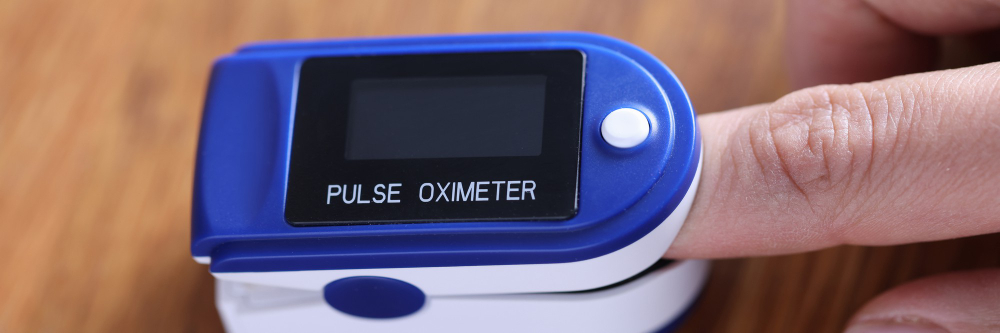
The widespread availability of pulse oximeters has turned a sophisticated clinical metric, oxygen saturation (SpO₂), into a standard measurement tracked at home. By simply clipping a small sensor onto a fingertip, individuals can monitor the percentage of oxygen-carrying hemoglobin in their blood within seconds. While these non-invasive devices are invaluable tools for managing chronic respiratory illnesses, tracking fitness, or monitoring viral recovery, they are not infallible. Understanding the technical and physiological limits of pulse oximetry is vital to ensure you do not misinterpret skewed data or miss critical warning signs of hypoxia.
1. How Pulse Oximetry Works Mechanically
To understand the limitations of a pulse oximeter, you must first understand how it evaluates your blood. The device contains a light source that emits two distinct wavelengths through your tissue: red light (660 nm) and infrared light (940 nm). On the opposite side of the clip, a photodetector measures how much of each light wavelength passes through your finger.
- Oxygen-rich oxygenated hemoglobin absorbs more infrared light.
- Oxygen-poor deoxygenated hemoglobin absorbs more red light.
The internal microprocessor calculates the ratio between these two absorption rates and converts it into a digital percentage. Crucially, the device isolates the signal from pulsating arterial blood flow while ignoring constant signals from bone, muscle, and venous blood.
2. Physiological and Technical Limitations
Because pulse oximeters rely entirely on light transmission and steady arterial pulsing, any variable that alters light absorption or compromises blood flow will distort your final reading.
Blood Flow and Perfusion Issues
- Poor Peripheral Circulation: If your hands are very cold, or if you live with conditions like Raynaud’s phenomenon or severe peripheral artery disease (PAD), the blood flow to your fingertips drops significantly. Without a strong, clear arterial pulse wave, the device cannot accurately distinguish between tissue and blood, resulting in a false low reading or an error message.
- Low Blood Pressure (Hypotension): Severe drops in blood pressure, shocks, or the heavy use of vasoconstricting medications pull blood away from your extremities and toward your vital organs, leaving insufficient pulse volume in the fingers for accurate light measurement.
External Light Interference
- Nail Polish and Cosmetics: Dark nail polishes, especially deep blues, blacks, greens, and metallic shades, physically block or absorb the red and infrared wavelengths emitted by the sensor. This artificial interference prevents the light from reaching the photodetector properly, which often results in a falsely depressed SpO₂ reading.
- Bright Ambient Light: Intense overhead surgical lights, direct sunlight, or strong fluorescent lighting shining directly into the sides of the oximeter housing can overpower the internal sensor, creating inaccurate data.
3. The Impact of Skin Pigmentation on Accuracy
A significant and widely documented clinical limitation of pulse oximetry involves skin pigmentation. Multiple clinical studies have confirmed that pulse oximeters are prone to occult hypoxemia, a dangerous scenario where a device reads a safe oxygen level (such as 92% to 94%) when a patient’s true arterial blood oxygen is dangerously low (below 88%).
Because melanin absorbs light across the visible and infrared spectrums, it can alter the red-to-infrared light ratio calculated by the device. This technical limitation makes pulse oximeters significantly less accurate for individuals with darker skin tones, occasionally masking severe respiratory distress. Clinicians and patients must prioritize physical symptoms over individual digital readouts.
4. The Blind Spot: Carbon Monoxide and Abnormal Hemoglobin
Standard pulse oximeters are structurally incapable of distinguishing between different forms of bound hemoglobin. This creates life-threatening diagnostic blind spots in specific medical emergencies:
Hemoglobin Variant | Oximeter Reading Behavior | Clinical Reality & Safety Risk |
Carboxyhemoglobin (Carbon Monoxide Poisoning) | Reads falsely high (often a perfect 98% to 100%). | Carbon monoxide binds to hemoglobin 200 times more tightly than oxygen. The device reads this bound state as fully oxygenated, completely masking a severe tissue oxygen deficit. |
Methemoglobin (Drug-Induced Oxidation) | Locks and trends stubbornly toward a flat 85%. | Specific medications (like topical benzocaine or certain antibiotics) can alter iron states in the blood. The device misreads this altered state, falsely locking at 85% regardless of actual oxygenation. |
5. When to Look Beyond the Screen
Because of these inherent limits, you must never rely purely on a pulse oximeter to decide if you or a loved one requires emergency care. Always monitor for systemic clinical red flags of poor oxygenation, regardless of what your device displays:
- Severe, unprovoked shortness of breath or struggling to catch your breath.
- A blue, purple, or pale gray tint on your lips, tongue, face, or fingernails (cyanosis).
- Sudden, unexplained mental confusion, extreme restlessness, or severe irritability.
- A rapid, pounding heart rate combined with chest tightness or cold, clammy sweat.
A pulse oximeter is a helpful health monitoring tool, but it provides an estimation, not an absolute truth. By ensuring your hands are warm, removing dark nail polish before reading, and understanding how skin tone and blood flow impact the sensor, you can avoid common self-tracking errors. When monitoring a respiratory issue, always treat the physical symptoms of the patient as the ultimate guide, and never hesitate to seek professional medical care if something looks or feels wrong.
Reach out to our Cardiology team today by calling us at +1-718-367-2555 or walking into our clinic at 1797 Pitkin Avenue, Brooklyn, NY 11212 to speak with a provider who helps you understand how to use a pulse oximeter and when to keep your heart healthy.