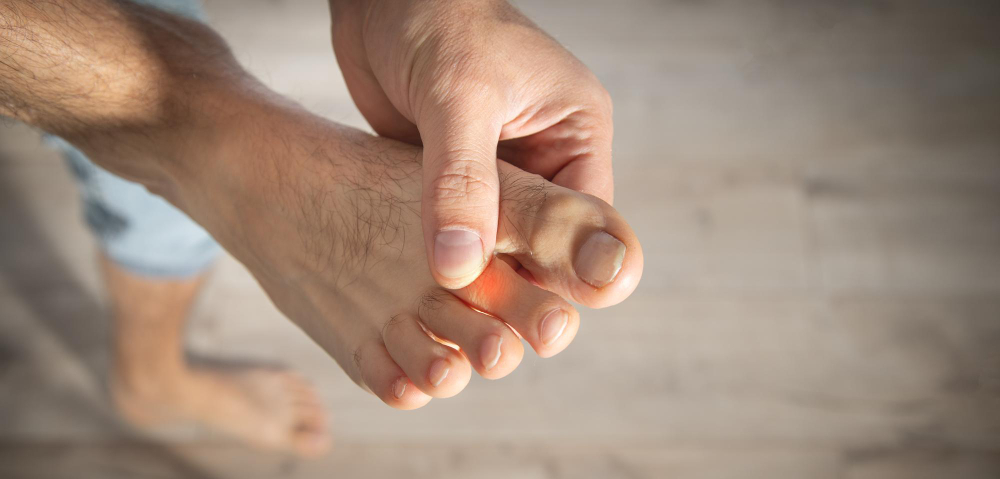
Your toes turn white, then blue, then red. They feel cold and numb, even when the rest of you feels fine. That sudden numbness can be unsettling, and it often catches you off guard on a chilly morning or during a stressful moment.
This is a common sign of Raynaud’s phenomenon. It happens when small blood vessels in your toes narrow and limit blood flow. The result is that familiar mix of cold, color change, and numbness that so many people quietly live with.
The good news is that Raynaud’s is manageable. With a few practical steps and the right support, you can reduce flare-ups and keep your feet comfortable. Here is what you need to know.
What Raynaud’s Phenomenon Does to Your Toes
Raynaud’s affects the way your body responds to cold and stress. When triggered, blood vessels tighten quickly, cutting off warmth and circulation to your toes.
You may notice a clear pattern during an attack:
- Color changes: Skin shifts from white to blue, then back to red as blood returns.
- Cold sensation: Your toes feel icy compared to the rest of your foot.
- Numbness and tingling: A prickly, “pins and needles” feeling sets in.
These episodes can last minutes or longer. For many people, they are uncomfortable but harmless. For others, ongoing symptoms deserve a closer look. If you notice similar patterns in your hands, our guide to cold hands and circulation explains related warning signs worth watching.
Why Numbness in Your Toes Should Not Be Ignored
Occasional numbness is common. Frequent or worsening numbness is a different story. It can signal poor circulation, nerve involvement, or an underlying condition that needs care.
You do not have to guess about what is happening. A skilled podiatrist can examine your feet, review your triggers, and rule out more serious causes. Early evaluation gives you answers and peace of mind.
When to See a Foot Specialist
Reach out to a professional if you experience any of the following:
- Sores or ulcers on your toes that heal slowly
- Numbness that lingers well after warming up
- Skin that stays discolored for long periods
- Pain that interrupts your daily activities
Trusted podiatrists can assess these symptoms and create a plan built around your needs.
Everyday Steps to Manage Cold, Discolored Toes
Small changes make a real difference. You can lower how often flare-ups happen and ease their intensity.
Try these practical habits:
- Keep your feet warm. Wear thermal socks indoors and use heated insoles in cold weather.
- Dress in layers. Warming your whole body helps protect your toes.
- Limit triggers. Manage stress and avoid sudden temperature drops when possible.
- Move often. Gentle activity keeps blood flowing to your feet.
If home care is not enough, a podiatrist can recommend targeted treatments. Our foot health services include personalized guidance for circulation concerns, and the experienced podiatrists in Brooklyn, NY, are ready to help you feel steady on your feet again.
Take the Next Step Toward Warmer, Healthier Feet
You should not have to accept cold, numb toes as simply part of life. Relief is possible, and support is close by.
If numbness and discoloration keep returning, schedule a visit with our Podiatry team, who understands Raynaud’s and its effect on your feet. Our team will listen, examine your symptoms, and guide you toward lasting comfort. Reach out today by calling +1 718 367 2555 or visit us at 1797 Pitkin Avenue, New York, NY 11212 to schedule a Podiatry appointment to book your appointment.