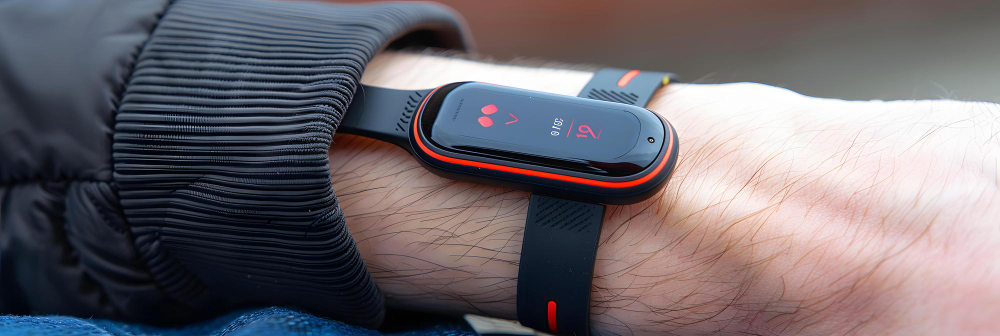
Tracking your resting pulse gives you a reliable window into your heart health. A normal resting pulse falls between 60 and 100 beats per minute. Numbers outside that range do not always signal danger, but they are worth understanding and discussing with a cardiologist.
Your heart beats around 100,000 times a day. Most of the time, you do not notice. But when you take a moment to track your resting pulse, that quiet rhythm becomes one of the most informative numbers in your health profile. It costs nothing, takes less than a minute, and can reveal changes worth knowing about long before symptoms appear. This post walks you through what your resting pulse baseline numbers mean, when to act on what you find, and how to take an accurate reading at home.
Why You Should Track Resting Pulse
Your resting pulse reflects how hard your heart works when your body is at complete rest. A lower number generally means your heart pumps blood efficiently. A higher number can suggest the heart is under strain. Neither extreme tells the full story on its own, but consistent tracking over time gives your care team a meaningful baseline to work from.
Tracking matters because single readings can mislead. Stress, caffeine, a restless night, or even the act of sitting down quickly can nudge the number up or down temporarily. When you track your resting pulse regularly, short-term fluctuations become easier to separate from genuine trends. That distinction matters when a cardiologist is reviewing your history and deciding whether further evaluation is needed.
Regular monitoring is especially useful after a new diagnosis, a medication change, or a period of illness. It puts a verifiable record in your hands.
What Your Resting Pulse Baseline Numbers Mean
Understanding the numbers takes the guesswork out of what you are seeing.
What is a normal resting pulse range?
According to the American Heart Association, a normal resting heart rate for adults falls between 60 and 100 beats per minute. Well-trained athletes often see numbers between 40 and 60 beats per minute, which reflects strong cardiovascular conditioning rather than a problem.
Children tend to have higher resting rates. Newborns typically pulse between 100 and 160 beats per minute. By adolescence, the range narrows closer to the adult norm. Age, fitness level, body size, and certain medications all influence where your personal baseline sits.
What do low or high resting pulse numbers signal?
A resting pulse consistently below 60 beats per minute in someone who is not an athlete is called bradycardia. It may cause no symptoms at all, or it may produce dizziness, fatigue, or fainting. The cause can range from thyroid dysfunction to medication side effects to an electrical issue in the heart.
A resting pulse consistently above 100 beats per minute is called tachycardia. This can reflect anxiety, dehydration, anemia, fever, or underlying heart conditions. In some cases, it is the first measurable sign of atrial fibrillation, a rhythm disorder that increases stroke risk significantly.
Neither condition should be self-diagnosed or self-managed. What your resting pulse baseline numbers mean in your specific situation depends on your full health picture, and a cardiologist is the right person to interpret that picture.
How to Track Your Resting Pulse at Home
Accuracy matters here. A reading taken after rushing to the bathroom or during a stressful phone call will not reflect your true resting state.
Follow these steps for a reliable reading:
- Choose your timing carefully. First thing in the morning, before getting out of bed, is the most consistent time. Your body is genuinely at rest and free from the stimulants or activity of the day.
- Sit or lie still for five minutes. If morning is not practical, rest quietly before measuring. Avoid caffeine, exercise, and smoking for at least 30 minutes prior.
- Find your pulse. Place two fingers on the inside of your wrist, just below the base of your thumb. You can also press lightly on the side of your neck.
- Count for a full 60 seconds. Shorter counts introduce more error. Count each beat as one, starting from zero.
- Record the number immediately. A simple notebook or phone app works well. Note the date, time, and any relevant context, such as poor sleep or stress.
Taking readings at the same time each day builds a reliable baseline over several weeks.
When to See a Cardiologist About Your Resting Pulse
Some findings warrant prompt attention rather than continued home monitoring.
Reach out to a cardiologist if you notice any of the following:
- Your resting pulse is consistently above 100 or below 50 beats per minute across multiple readings
- You experience symptoms alongside an abnormal number, including chest pain, shortness of breath, dizziness, or fainting
- Your readings fluctuate widely from one day to the next without an obvious reason
- You have started a new medication, and your pulse has shifted noticeably
If you are located in New York, our cardiology clinic in Brooklyn offers evaluations for patients experiencing these concerns. Early assessment by a cardiologist can identify whether what you are seeing represents a normal variation or a pattern that requires treatment.
Take the Next Step With Your Heart Health
Knowing how to track your resting pulse is a meaningful act of care. The numbers you collect at home become the foundation for better conversations with your doctor and more informed decisions about your health.
If something in your readings concerns you, do not wait. Our Cardiology team is ready to help you understand what your resting pulse baseline numbers mean for your specific situation. Our team works with patients across the area to review home monitoring records and build care plans grounded in real data. Reach out today by calling us at +1-718-367-2555 or walking into our clinic at 1797 Pitkin Avenue, Brooklyn, NY 11212 to schedule a visit.