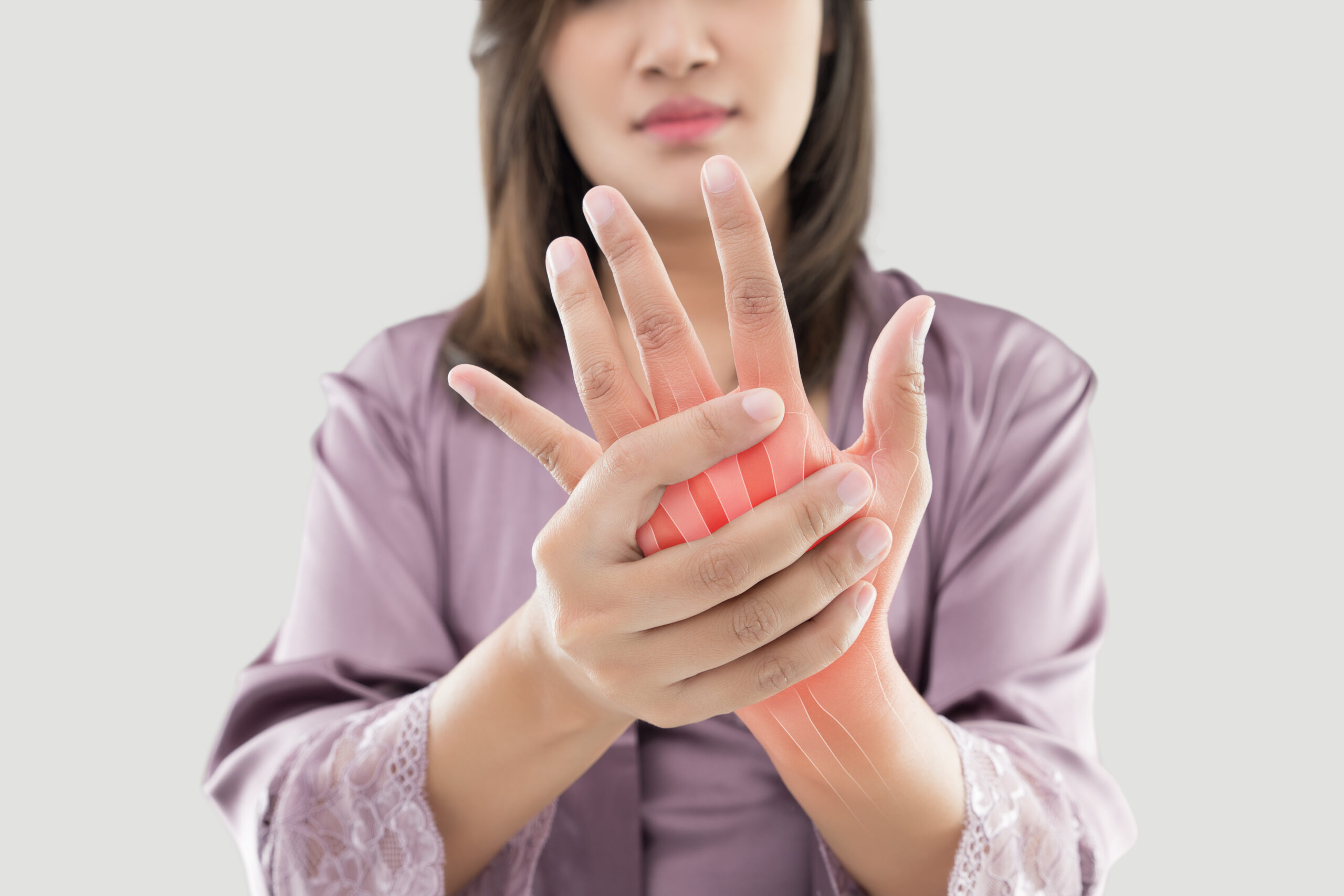
Did you know that most people don’t know the difference between rheumatoid arthritis and osteoarthritis? Both conditions cause similar symptoms and have some similar risk factors. They are different from each other, which influences their diagnosis and treatment. That’s why it is important to know the difference and identify them. Learn the difference between rheumatoid arthritis and osteoarthritis in this article. Visit the best Pain Management Clinic in Brooklyn at Doral Health & Wellness or log on to www.doralhw.org.
Rheumatoid Arthritis vs. Osteoarthritis
While both conditions cause somewhat similar symptoms, they are not the same. Rheumatoid arthritis is an inflammatory condition that occurs when the immune system attacks the joint tissues, which causes pain and stiffness that worsens over several weeks to months.
Whereas osteoarthritis is a degenerative condition that occurs when cartilage (tissues in your joints that work as cushions for your bones) wears away. You experience pain when bone rubs against bone. It develops gradually and gets worse over several months or years.
Causes
Rheumatoid arthritis is caused by bacteria or viruses that infect the immune system and make it see joints as enemies and launch an attack on them. They specifically attack the synovial membrane of the joint, which lubricates and protects joints.
Whereas osteoarthritis is caused by the cartilage (spongy tissue) between your joints that is naturally worn out due to wear and tear. As a result, your bones start to rub against each other, which causes irritation and pain. This is more common than rheumatoid arthritis.
Risk factors
Rheumatoid arthritis (RA) and osteoarthritis (OA) do share some risk factors, such as you may get RA if your family member has it. The same applies to OA. Excess weight also increases the risk of both diseases.
Other factors that increase the risk of RA are:
- Being a woman
- Smoking
- Work or be surrounded by dangerous chemicals like asbestos or silica
- Having gum disease, chances are that the same bacteria cause RA and gum inflammation
Other factors that increase the risk of OA are:
- Older age
- Joint injury
- Joint overuse
- Deformed joints, such as knock-knees or legs of different lengths
Symptoms
While both conditions cause joint pain, RA tends to cause morning stiffness that lasts for an hour or more, which is distinct from OA. Rheumatoid arthritis also develops and progresses faster than osteoarthritis. It affects both sides of the body at once, whereas osteoarthritis affects the part you use the most. Rheumatoid arthritis can occur at any age, but it mostly occurs in the mid-life. Whereas OA develops slowly over many years and is mostly common among seniors. Your joints won’t swell in OA, like they do with RA.
Other RA symptoms that are different than OA are:
- Fatigue
- Low fevers
- Appetite loss
- Joints that get into bent positions over time
- Lumps can develop under the skin, which is rare
Other OA symptoms that are different from RA are:
- Stiffness occurs when you’re active
- Noises (cracking, grinding) when you move your joints
- Joints don’t feel as stable or strong as before
Diagnosis
To diagnose both conditions, the doctor first examines your symptoms and goes through your medical history. The doctor may order imaging tests such as X-rays or an MRI to see inside the joints. However, blood tests are used to diagnose RA because they can detect some specific antibodies that are linked with RA, like Rheumatoid factor (RF), Anti-cyclic citrullinated peptide (anti-CCP) antibodies, Erythrocyte sedimentation rate (ESR), and C-reactive protein. Whereas, for OA, sometimes, joint fluid analysis is used to analyze conditions like infections or inflammatory arthritis.
Treatment
Both diseases have no cure. Treatment helps to lower pain, manage symptoms, and improve joint functionality. To manage both types of arthritis, swelling, and pain, doctors prescribe ibuprofen and other nonsteroidal anti-inflammatory medications. Similarly, corticosteroids like prednisone are prescribed to manage inflammation in both conditions.
However, with RA, doctors may prescribe disease-modifying drugs that suppress the immune system from harming the joints, decrease flare-ups, and prevent further damage. You also need to quit smoking because it increases the progression of RA and interferes with the effectiveness of medications.
Besides, doctors recommend physical and occupational therapy to improve mobility and adapt their daily routines by learning strategies that help them accomplish difficult tasks. Lifestyle changes such as eating a healthy diet, getting enough sleep, losing weight, and maintaining a healthy weight can improve your symptoms.
In cases where your symptoms don’t improve with conservative treatments, surgery is recommended to either repair or remove the damaged tendon to improve joint functionality and reduce pain.
Rheumatoid arthritis and osteoarthritis are two different types of arthritis that share some symptoms and treatments. However, they are not the same because RA is an autoimmune disease that progresses faster, whereas OA is a degenerative disease caused by cartilage wearing out naturally. Besides that, their risk factors and symptoms are different. That’s why it is important to know the difference for getting the right treatment properly and improving your joint functionality.
Need help with any type of arthritis? Visit our pain management clinic in Brooklyn to get professional medical help. Call us to book your appointment now!!!!! If you’re ready to take the next step in managing your pain, we recommend consulting with our healthcare provider to explore the right treatments or therapies for you. Always listen to your body and adjust your daily routine to prioritize your well-being. Visit Doral Health & Wellness Pain Relief Department in Brooklyn, to get professional help and guidance on how to manage your problem. Call us on + 1-718-367-2555 to get a consultation. If you need help learning coping methods, register your information and make direct contact with our doctors at https://yuz88hfiyh7.typeform.com/Doralintake. Log on to www.doralhw.org. Or visit us at 1797 Pitkin Avenue, Brooklyn, NY 11212.